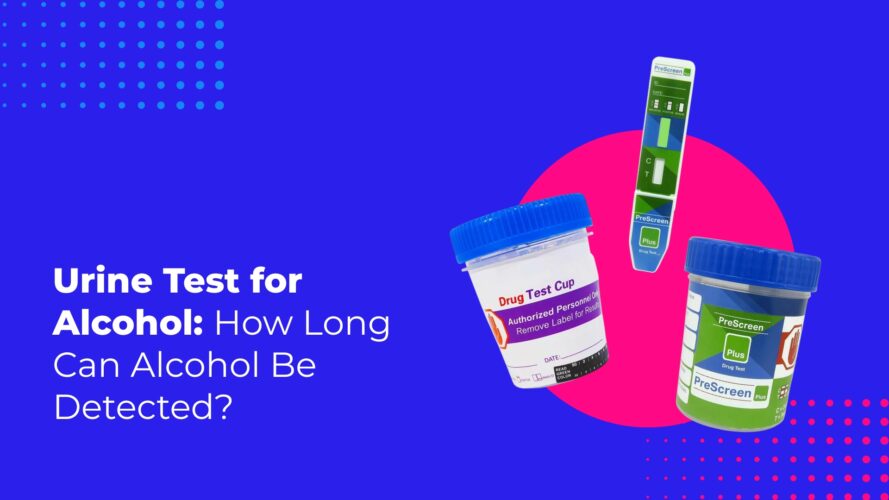
Urine test for alcohol is a reliable way to identify recent alcohol consumption, whether for workplace compliance, court-ordered monitoring, or recovery programs. Depending on the testing method, alcohol or its metabolites may remain detectable from several hours to several days. Choosing the right test helps employers and organizations make informed decisions while maintaining accurate screening standards.
How Long Can Alcohol Be Detected in Urine?
A urine test for alcohol can identify ethanol for about 12 to 24 hours. An EtG test detects alcohol metabolites for 24 to 72 hours, with heavy drinking sometimes remaining detectable for up to 80 hours.
In This Guide
- Can You Test for Alcohol in Urine?
- How Long Can Alcohol Be Detected in a Urine Test?
- What Is an EtG Urine Alcohol Test?
- What Is the Cutoff Level for an Alcohol Urine Test?
- How to Choose a Urine Test for Alcohol Screening
- Shop Alcohol Testing Supplies from DrugTestsInBulk
Can You Test for Alcohol in Urine?
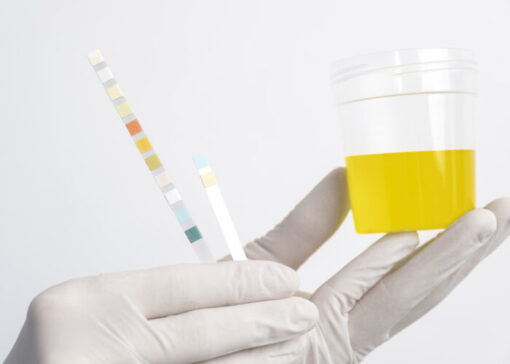
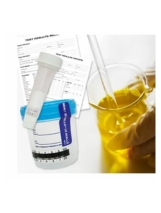
Yes. A urine test for alcohol is one of the most effective methods for identifying recent alcohol use. Unlike breath or blood testing, which measure current intoxication, urine testing detects alcohol or its metabolites after the body has begun processing it.
Depending on the testing objective, laboratories may analyze either ethanol or alcohol metabolites. This flexibility makes urine samples for alcohol testing suitable for workplace programs, legal monitoring, treatment facilities, and professional compliance testing.
Ethanol vs. EtG Urine Testing
There are two main methods used for alcohol in urine samples:
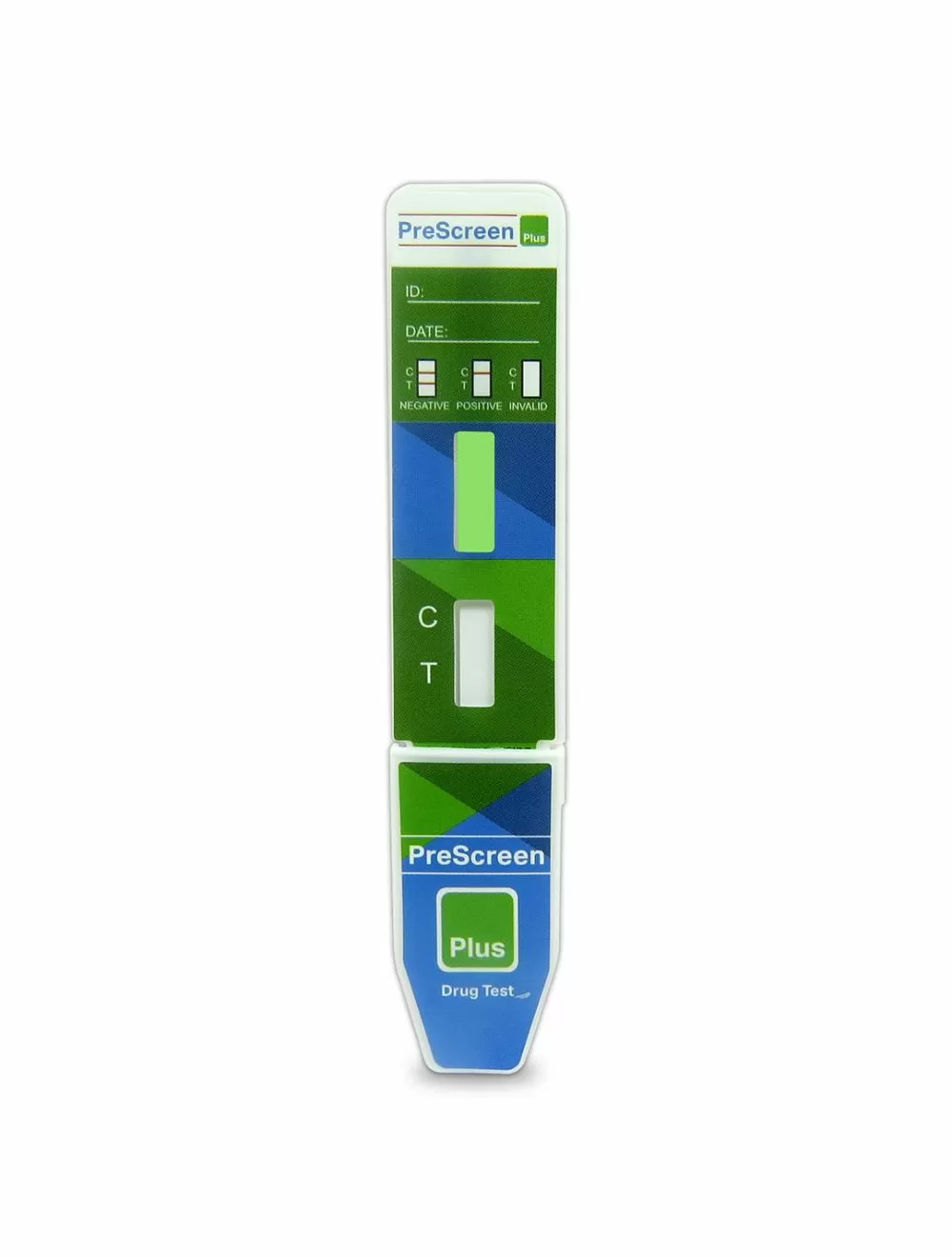
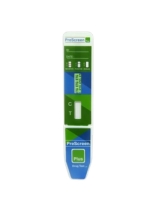
- Ethanol Testing: This standard test measures the actual alcohol still present in the body. Since the body processes ethanol relatively quickly, this method generally identifies drinking that occurred within the previous 12 to 24 hours. The PreScreen Plus single panel alcohol dip test, a DrugTestsInBulk brand, is designed for this type of rapid screening and is ideal for detecting recent alcohol use.
- EtG (Ethyl Glucuronide) Testing: EtG is a metabolite produced by the liver when breaking down ethanol. Because it stays in the system much longer, an ETG test offers a detection range of 24 to 72 hours, sometimes up to 80 hours after heavy or binge drinking. Options like the Prescreen Plus EtG dip card and the 80-hour EtG alcohol lab collection test are designed for these longer monitoring windows.
When Urine Alcohol Testing Makes Sense
Urine testing is most commonly used to monitor strict abstinence rather than to check for current impairment. Common uses include:
- Abstinence Monitoring: Addiction treatment centers, sober living homes, and probation check-ins.
- Court-Ordered Compliance: Drug courts, probation terms, and custody or family court matters.
- Workplace Testing: Random or post-incident screening for safety-sensitive roles, part of broader workplace alcohol testing compliance programs.
- Professional Monitoring Programs: Tracking healthcare workers or pilots in recovery from alcohol use disorder.
How Long Can Alcohol Be Detected in a Urine Test?
The detection window varies significantly based on what the test is designed to measure. Standard ethanol tests are limited to roughly 12–24 hours post-drink, while EtG tests can flag metabolites for 24–72 hours in typical cases, extending to 80 hours after heavy drinking.
Alcohol Detection Times by Test Type
Different testing methods are designed for different purposes, so their detection windows differ.
- Urine (Standard): 12 to 24 hours
- Urine (EtG/EtS): 24 to 72+ hours, up to 80 hours after heavy use
- Saliva: Up to 12 hours
- Breath: Up to 24 hours
- Blood: 6 to 12 hours (reflects current impairment)
- Hair: Up to 90 days
What Can Affect Alcohol Detection Times?
Several physiological factors speed up or slow down how quickly alcohol and its metabolites clear the body:
- Amount and Frequency: Frequent, heavy drinking builds up more EtG, extending the detection window.
- Body Weight and Composition: Higher body mass and fat percentage change how alcohol is distributed and metabolized.
- Metabolism and Age: These determine how fast the liver processes alcohol.
- Hydration: Dehydrated urine is more concentrated, which can shift metabolite readings.
- Gender: Women tend to metabolize alcohol more slowly than men, so alcohol can linger a bit longer in their system.
Alcohol Impairment Chart for Men and Women
Blood Alcohol Concentration (BAC) changes based on body weight, biological sex, and the number of standard drinks consumed over time. Women generally carry less body water and more fat per pound than men, so they absorb alcohol faster and reach higher BAC levels from the same number of drinks.
Estimate BAC per number of standard drinks consumed (Assuming 1 drink = 0.5 oz of pure alcohol):
Estimated BAC for Women
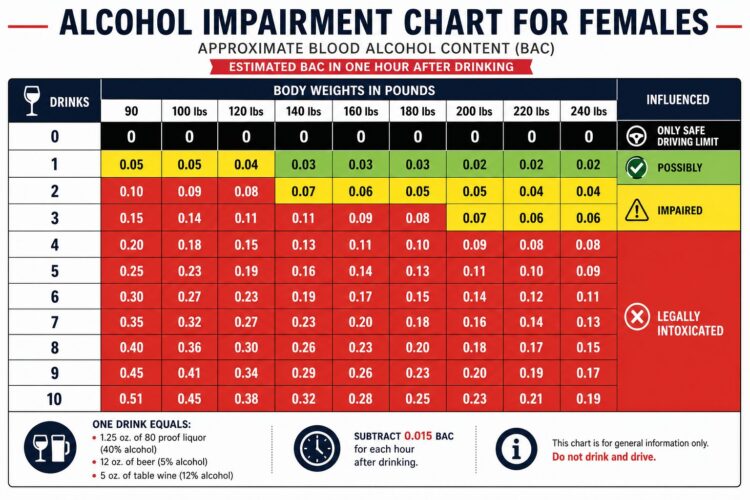
Source: National Highway Traffic Safety Administration (NHTSA)
Estimated BAC for Men
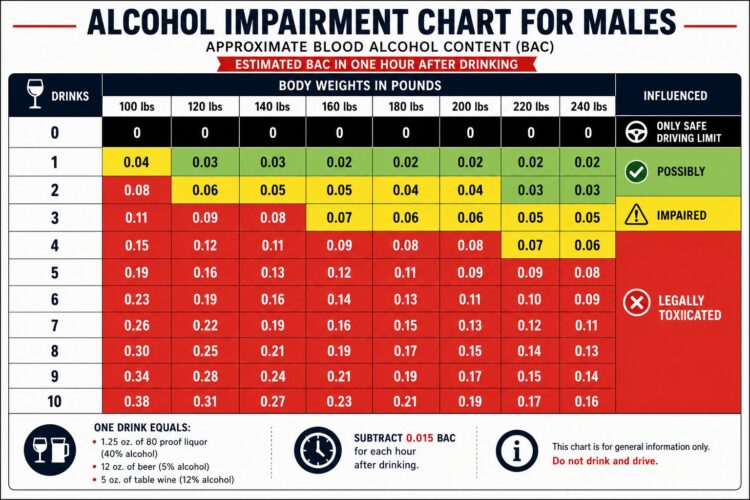
Source: National Highway Traffic Safety Administration (NHTSA)
Although BAC charts often separate male and female estimates because body water, body composition, and alcohol metabolism can differ, this does not mean a standard urine test for alcohol can identify a person’s gender. In general, a standard urine test for alcohol or drugs is not designed to tell the difference between male and female urine.
BAC Levels and Common Impairment Signs
Blood Alcohol Concentration reflects the percentage of alcohol in the blood. Based on general guidance from the National Institute on Alcohol Abuse and Alcoholism (NIAAA), impairment signs typically follow this pattern:
| BAC Range | Effects |
| .02–.04% | Lightheaded — relaxation, warmth, minor judgment impairment |
| .05–.07% | Buzzed — lower inhibitions, minor reasoning/memory impairment |
| .08–.10% | Legally impaired — balance, speech, and reaction time affected |
| .11–.15% | Drunk — gross motor impairment, poor judgment |
| .16–.19% | Very drunk — nausea, disorientation, blurred vision |
| .20–.24% | Dazed and confused — needs assistance to stand, blackout likely |
| .25–.30% | Stupor — severe impairment across all functions |
| .31%+ | Coma — risk of respiratory arrest |
Why BAC and Urine Alcohol Results Are Different
Blood and breath tests measure ethanol that is actively circulating in the body, making them appropriate for determining present impairment. A urine test for alcohol, particularly an EtG urine test, measures metabolites produced after alcohol has already been processed.
Because these metabolites remain in the body after ethanol has been eliminated, a positive urine result confirms recent alcohol consumption but does not indicate that a person is currently intoxicated. This distinction is especially important for employers, courts, and treatment programs that need to verify compliance rather than immediate impairment.
What Is an EtG Urine Alcohol Test?
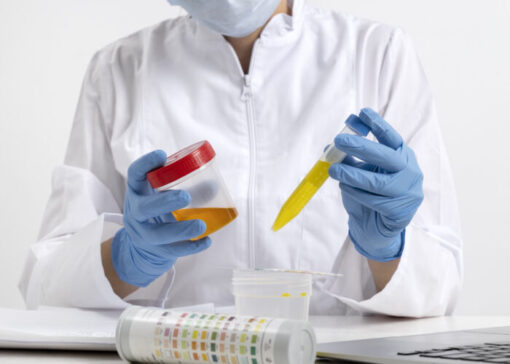
An EtG urine test detects Ethyl Glucuronide, a direct metabolite the liver creates when processing ethanol. Rather than testing for alcohol itself, it checks for this byproduct to determine whether alcohol was consumed recently.
This distinction is why EtG testing has become the standard for abstinence verification.
Why EtG Tests Can Detect Alcohol Longer
When alcohol is consumed, the body absorbs it into the bloodstream and eliminates most of it quickly through breath, sweat, and urine. A small portion, however, is metabolized by the liver into EtG, which is not cleared as rapidly and accumulates in urine.
- Light to Moderate Drinking: Typically detectable for 1 to 2 days.
- Heavy Drinking: Detectable for up to 3 to 5 days.
EtG Test vs. Ethanol Test Kit
Choosing between a standard ethanol screen and an EtG test depends on the purpose of the testing program.
| Feature | Standard Ethanol Urine Test | EtG Urine Alcohol Test |
| What It Detects | Unmetabolized alcohol (ethanol) | EtG metabolite byproduct |
| Detection Window | 12 to 24 hours | 24 to 72 hours (up to 80+ for heavy drinking) |
| Primary Purpose | Recent consumption or active intoxication | Monitoring strict abstinence |
| Best Used For | Workplace and post-accident screening | Court-mandated testing, recovery programs, and strict workplace policies |
| False Positives | Less likely from environmental exposure | Can occur from mouthwash, sanitizer, or fermented foods |
What It Detects
A standard ethanol test kit detects alcohol currently present in urine, while an EtG urine test identifies alcohol metabolites that remain longer.
Detection Window
Ethanol tests detect alcohol for 12 to 24 hours. EtG tests typically detect alcohol for 24 to 72 hours, and up to 80 hours after heavy drinking.
Primary Purpose
Ethanol tests identify recent alcohol use, while EtG tests are designed to monitor alcohol abstinence over a longer period.
Best Used For
Ethanol tests are ideal for workplace and post-accident screening. EtG tests are commonly used for recovery programs, probation, and court-ordered monitoring.
False Positives
EtG tests are highly sensitive and can detect incidental alcohol exposure. Trace amounts of alcohol from products such as hand sanitizers, mouthwash, vanilla extract, or certain fermented foods may contribute to a false positive drug test. Ethanol test kits are much less likely to produce a false-positive result because they detect alcohol (ethanol) itself, meaning only recent alcohol consumption is expected to yield a positive result.
What Is the Cutoff Level for an Alcohol Urine Test?
Cutoff levels are predetermined thresholds, measured in nanograms per milliliter (ng/mL), that labs use to classify a result as positive or negative. Results below the threshold are reported as negative; results above it are flagged as positive for the metabolite.
Different programs require different sensitivity levels depending on their purpose.
Common EtG Cutoff Levels
Labs adjust sensitivity based on how strict the testing program needs to be, and just like alcohol tests, drug test kits also use varying cutoff levels to determine a positive or negative result.
- 100 ng/mL: Highly sensitive and capable of detecting even light drinking, although incidental alcohol exposure may occasionally influence results.
- 500 ng/mL: A balanced threshold commonly used by treatment centers, probation programs, and many employers because it reduces the likelihood of incidental positives.
- 1,000 ng/mL: A more conservative cutoff primarily intended to confirm significant recent alcohol consumption while minimizing false-positive results.
Why Cutoff Levels Matter for Employers
Choosing the right cutoff protects workplace safety while keeping testing fair and defensible:
- Preventing False Accusations: Trace alcohol in hand sanitizers, mouthwash, or vanilla extract can flag employees at lower cutoffs; higher cutoffs reduce these false positives.
- Policy Enforcement: Employers can target exactly what their test screens for. Zero-tolerance, safety-sensitive positions often use an ETG urine test with a 100 or 500 ng/mL cutoff.
- Current Impairment vs. Past Use: EtG tests don’t measure on-the-job intoxication; cutoffs help verify adherence to substance policies instead.
- Defensible guidelines: Many organizations align their cutoffs with SAMHSA recommendations to keep testing programs legally sound
How to Choose a Urine Test for Alcohol Screening
Choosing the right urine test for alcohol depends on your organization’s testing goals, turnaround time, and compliance requirements.
Best Option for Recent Alcohol Use
For detecting recent alcohol consumption, a urine alcohol test that identifies alcohol presence shortly after drinking may be the most suitable option. These tests are commonly used when organizations need a quick screening result without requiring extended detection periods.
The Prescreen Plus single-panel alcohol dip test is designed for rapid alcohol screening and provides a convenient option for identifying recent alcohol use. Its simple dip-card format makes it easy to administer and useful for situations where quick screening is needed.
Best Option for Longer Alcohol Detection Windows
If you need to monitor past alcohol consumption or verify complete abstinence, the Prescreen Plus ethyl glucuronide (EtG) urine test is the gold standard. EtG is a direct water-soluble byproduct of alcohol that remains in the body long after ethanol has cleared.
- Detection Window: 24 to 72 hours, though it can extend up to 80+ hours after heavy drinking.
- Best Used For: Court-ordered probation monitoring, substance use treatment facilities, and professional health programs.
For organizations that require laboratory confirmation and extended alcohol detection, the 80-Hour EtG Alcohol Lab Collection Test is designed for professional specimen collection and laboratory analysis. Organizations that need to combine alcohol screening with broader drug panels can also consider the 5-Panel Urine Alcohol Analysis or 10-Panel Alcohol Urine Analysis, both of which combine EtG detection with additional drug screening in a single test.
Best Option for Workplace Alcohol Screening Programs
Workplace drug and alcohol testing programs often require reliable, efficient, and easy-to-administer screening solutions. Employers may choose urine alcohol tests that combine alcohol detection with drug screening to simplify the testing process and reduce the need for multiple tests.
For workplace environments, DrugTestsInBulk provides multi-panel urine test cups with integrated alcohol and EtG detection options.
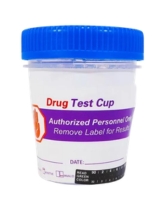
Detects: MAM, AMP, BAR, BUP, BZO, COC, KRA, ETG, FEN, GABA, K2, KET, MET, MDMA, MTD, OPI, OXY, PCP, THC, TRA + OX, PH, SG
PreScreen Plus Ten Panel (10-Panel) Cup With Alcohol (FUO)
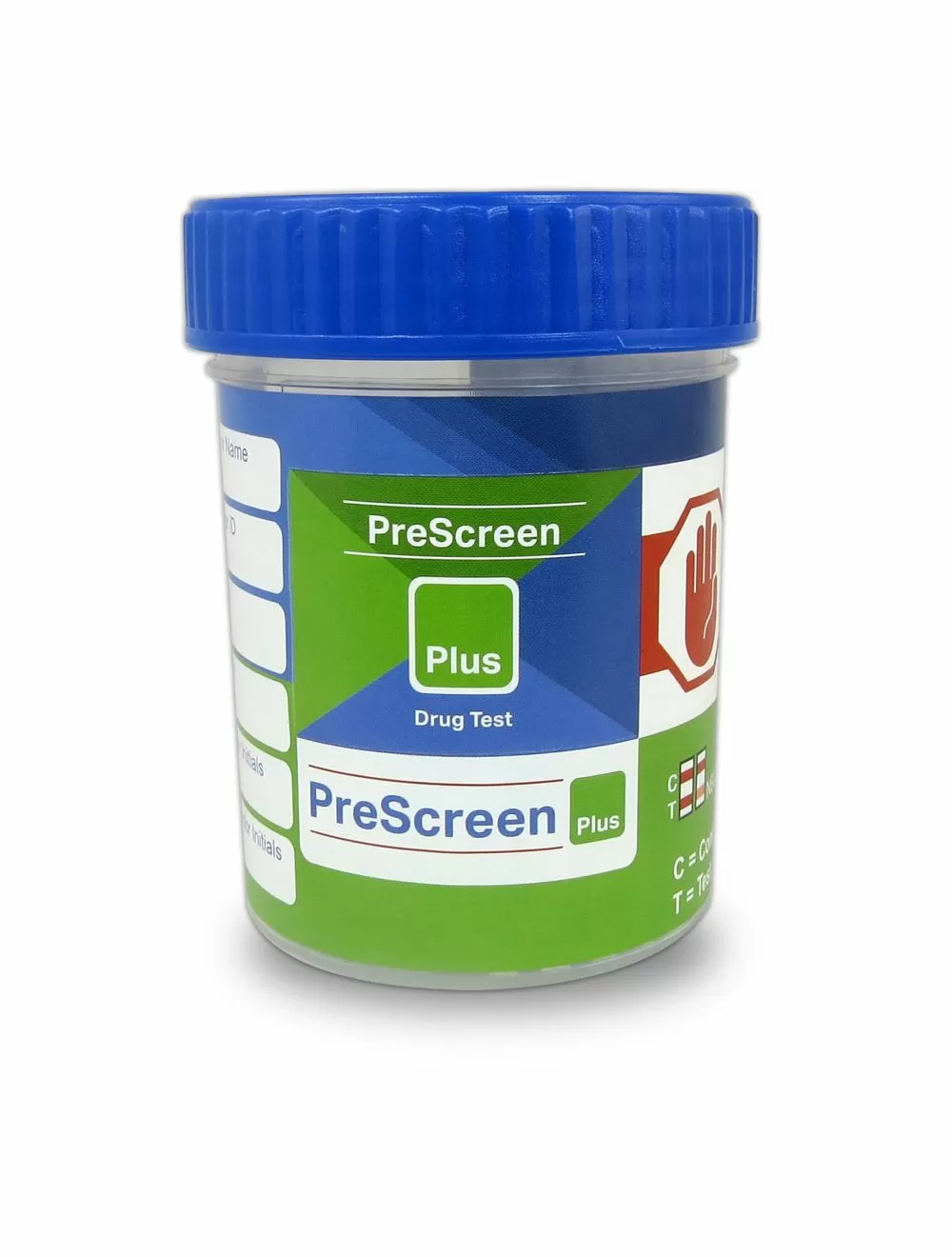
Detects: ALC, AMP, BAR, BZO, COC, MET, MTD, OPI, OXY, PCP, THC
Thirteen Panel Drug Test Cup with ETG (FUO)
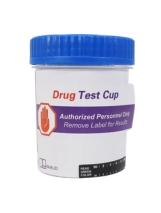
Detects: AMP, BAR, BUP, BZO, COC, ETG, MET, MOR, MDMA, MTD, OXY, PCP, THC
Shop Alcohol Testing Supplies from DrugTestsInBulk
Choosing the right urine test for alcohol begins with understanding your testing goals. Whether you need a rapid ethanol test kit for recent alcohol use or an EtG urine test for extended detection, DrugTestsInBulk offers reliable alcohol testing solutions for workplaces, treatment programs, healthcare providers, and home users. Selecting the appropriate test helps improve accuracy and supports consistent, effective alcohol screening programs.
Urine Test for Alcohol FAQs
Can a urine test tell if you drank alcohol?
Yes, urine tests effectively detect recent alcohol consumption. Standard tests detect ethanol itself, while metabolite-based tests detect EtG and EtS, byproducts produced as the liver processes alcohol.
What is the cutoff level for alcohol in a urine test?
EtG cutoff levels vary by program. Common reference points include 100, 200, 500, and 1,000 ng/mL. Lower cutoffs are more sensitive, while higher cutoffs may reduce positives from light exposure or lower-level use.
How long does alcohol stay in urine for a drug test?
For most people, alcohol is detectable in urine for up to 24 hours with a standard ethanol test. If an EtG test is used, alcohol metabolites may be detected for 24–72 hours, or up to 80 hours after heavy drinking.
Can a urine test tell the difference between male and female urine?
A standard urine test for alcohol or drugs is not designed to determine whether a urine sample came from a male or female. These tests look for alcohol, EtG, drugs, or drug metabolites, not gender. While male and female urine can have some biological differences, routine workplace urine testing does not report gender or sex. Instead, specimen validity checks may examine factors such as temperature, pH, creatinine, specific gravity, or potential adulterants to confirm the sample is valid.
How do you pass a urine test for alcohol?
The only reliable way to pass is to avoid alcohol long enough for it to clear based on the test type and cutoff level. Coffee, showers, sleep, or exercise do not make alcohol metabolize faster.