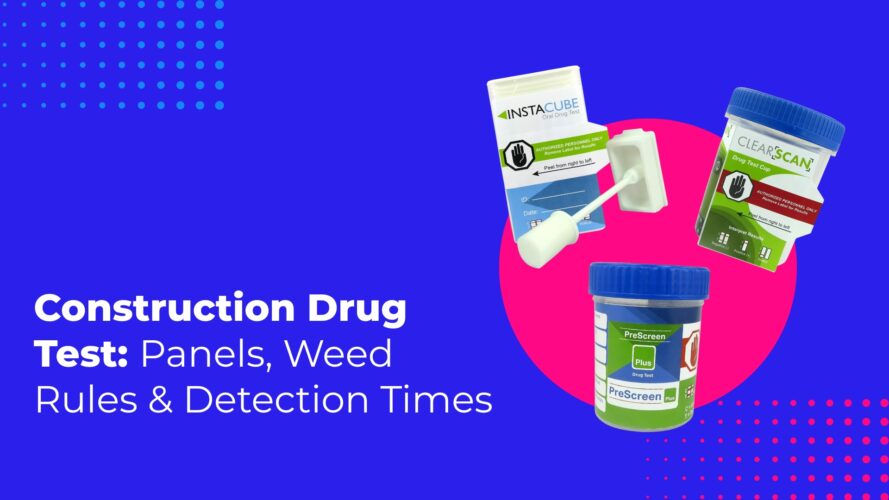
Construction drug test programs are designed to keep job sites safer where employees operate machinery, perform construction and maintenance work above ground level, and handle dangerous equipment. Employers use different screening methods to identify prohibited substances, reduce workplace risks, and follow company, project, or federal safety requirements.
What does a construction drug test screen for?
A construction drug test typically screens for THC, cocaine, opioids, amphetamines, and PCP using urine, saliva, or hair samples. Testing may occur before employment, randomly during employment, after workplace incidents, or when there is reasonable suspicion of impairment.
In This Guide
- Do Construction Companies Drug Test?
- What Is a Construction Drug Test?
- What Drug Test Panels Do Construction Companies Use?
- Do Construction Jobs Test for Weed?
- Construction Drug Test Detection Times
- How to Prepare for a Construction Drug Test Without Risky Shortcuts
- Construction Drug Testing Policy Checklist for Employers
- Choosing Drug Test Kits for Construction Worksites
Do Construction Companies Drug Test?
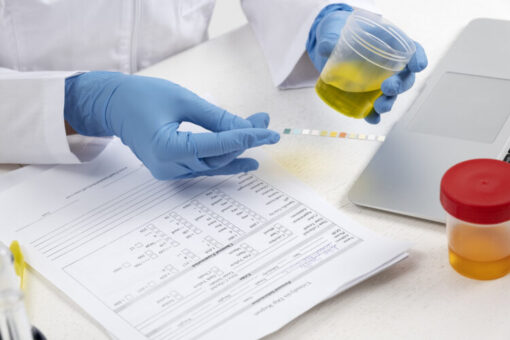
Yes, drug testing is a common practice in the construction industry. Because workers operate heavy machinery, scaffolding, and power tools, maintaining a drug-free workplace is critical to preventing accidents and reducing liability risks.
When Construction Workers Usually Get Tested
Construction employees are most often required to complete a construction drug test during the following situations:
- Pre-Employment: New hires almost always undergo screening before starting work.
- Post-Accident: Testing may be required after workplace accidents, injuries, or significant safety incidents.
- Random Testing: Employees are selected randomly throughout the year to maintain a drug-free work environment.
- Reasonable Suspicion: Testing is triggered if a supervisor observes impaired behavior, slurred speech, or the smell of illicit substances.
Are Construction Workers Drug Tested on Every Job?
Not necessarily on every job, but testing is likely. The frequency of testing depends on:
- Project Type: Government contracts, union sites, and large commercial builds almost always require a testing program.
- Federal/State Regulations: Companies that operate commercial motor vehicles must follow DOT regulations, including FMCSA guidelines, which require frequent screening.
- Job Role: Machine operators and other safety-sensitive workers get tested more often than office or administrative staff.
Why Construction Drug Test Screening Is Common
Several factors make workplace drug testing a standard practice throughout the construction industry:
- Worksite Safety: Drug testing helps reduce the risk of accidents caused by impaired judgment, slower reaction times, or reduced coordination.
- Federal Requirements: Businesses tied to certain federal contracts or grants must comply with the Drug-Free Workplace Act of 1988.
- DOT Compliance: Companies with CDL holders driving trucks or hauling equipment fall under mandatory DOT testing rules.
- Liability Protection: Testing after an incident helps limit legal exposure and clarifies whether impairment contributed to an injury.
What Is a Construction Drug Test?
A construction drug test is a screening process used to help ensure employees working on construction sites are free from prohibited substances. Drug tests are typically categorized by the number of substances, or “panels,” included in the screening.
The most common options include:
- 5-Panel Drug Test: Screens for amphetamines, cocaine, marijuana (THC), opiates, and PCP.
- 10-Panel Drug Test: Covers the same five substances plus barbiturates, benzodiazepines, methadone, methaqualone, and propoxyphene.
Employers select different testing methods based on how quickly results are needed and how far back drug use must be detected.
Urine Drug Tests for Construction Work
Urine drug testing is the most common and cost-effective screening method used in the construction industry. It is typically performed as a 5-panel urine drug test or 10-panel test that screens for substances such as THC, cocaine, opioids, amphetamines, and PCP.
Most drugs remain detectable in urine for approximately 1 to 3 days, while THC may remain detectable for 30 days or longer in frequent users.
For contractors, staffing agencies, and employers looking for dependable onsite screening, DrugTestsInBulk offers several urine drug testing solutions, including:
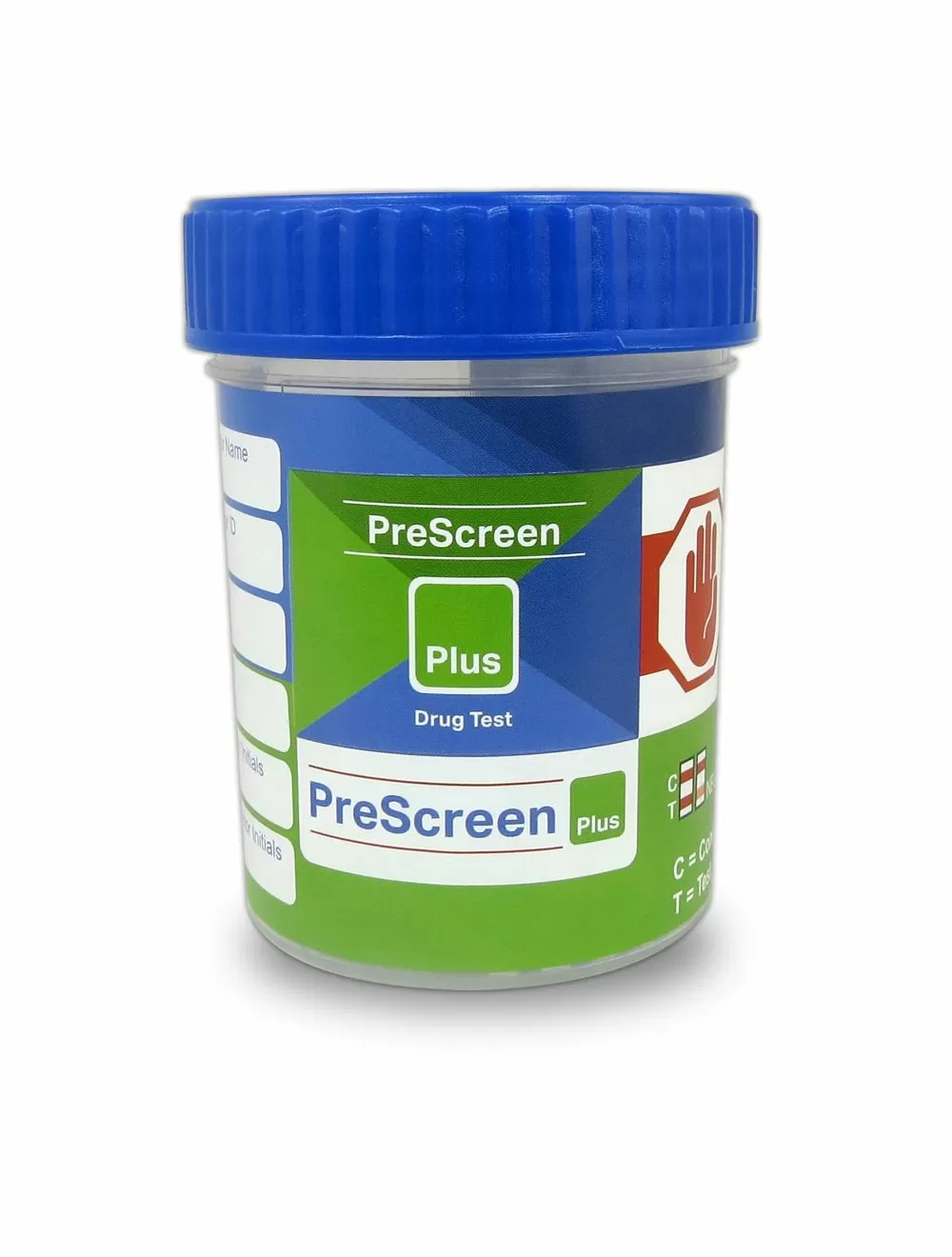
Clear Scan 10 Panel Drug Test Cup (CLIA Waived)
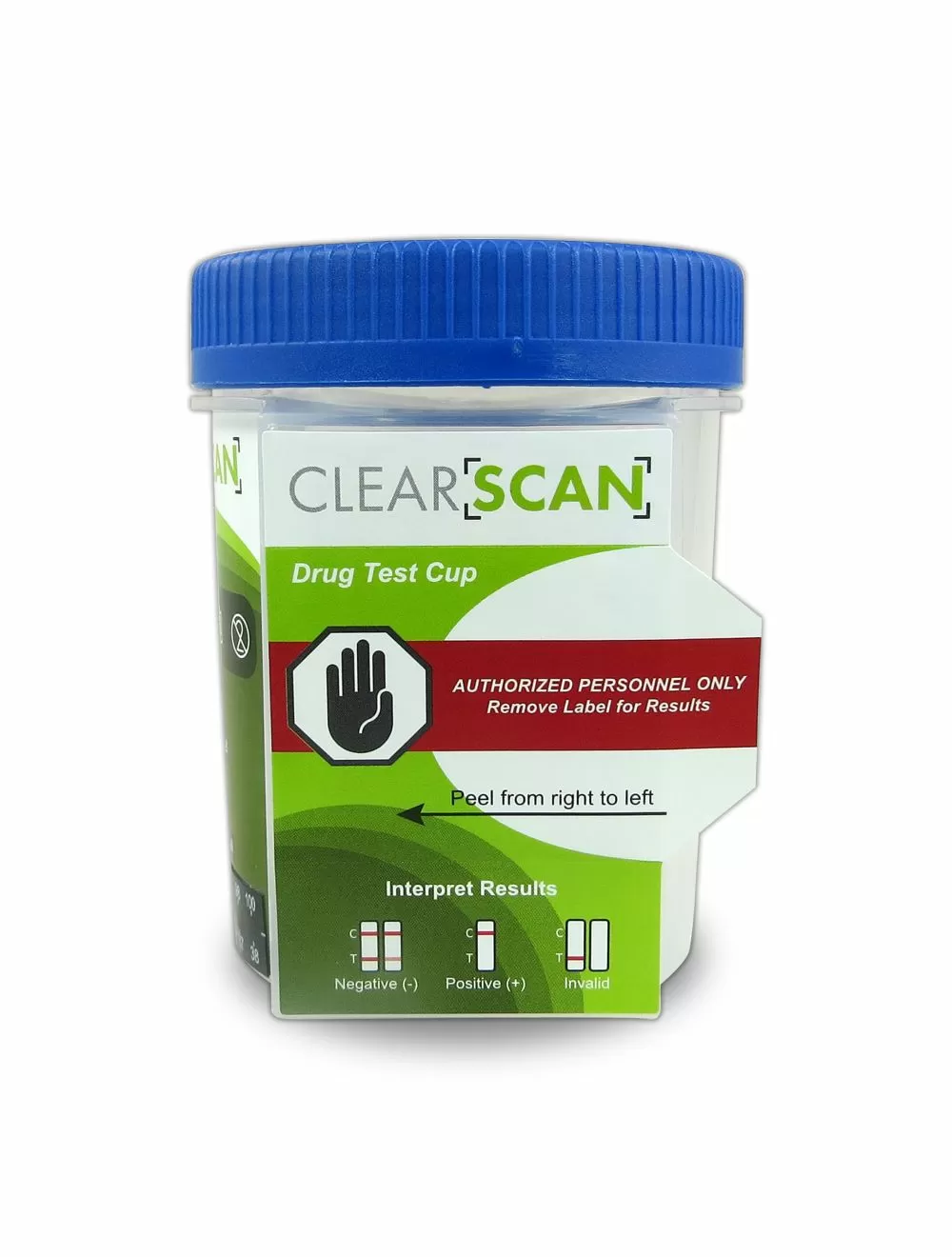
Detects: AMP, BAR, BZO, COC, mAMP, MDMA, MTD, OPI, PCP, THC
Clear Scan 12 Panel Drug Test Cup (CLIA Waived)
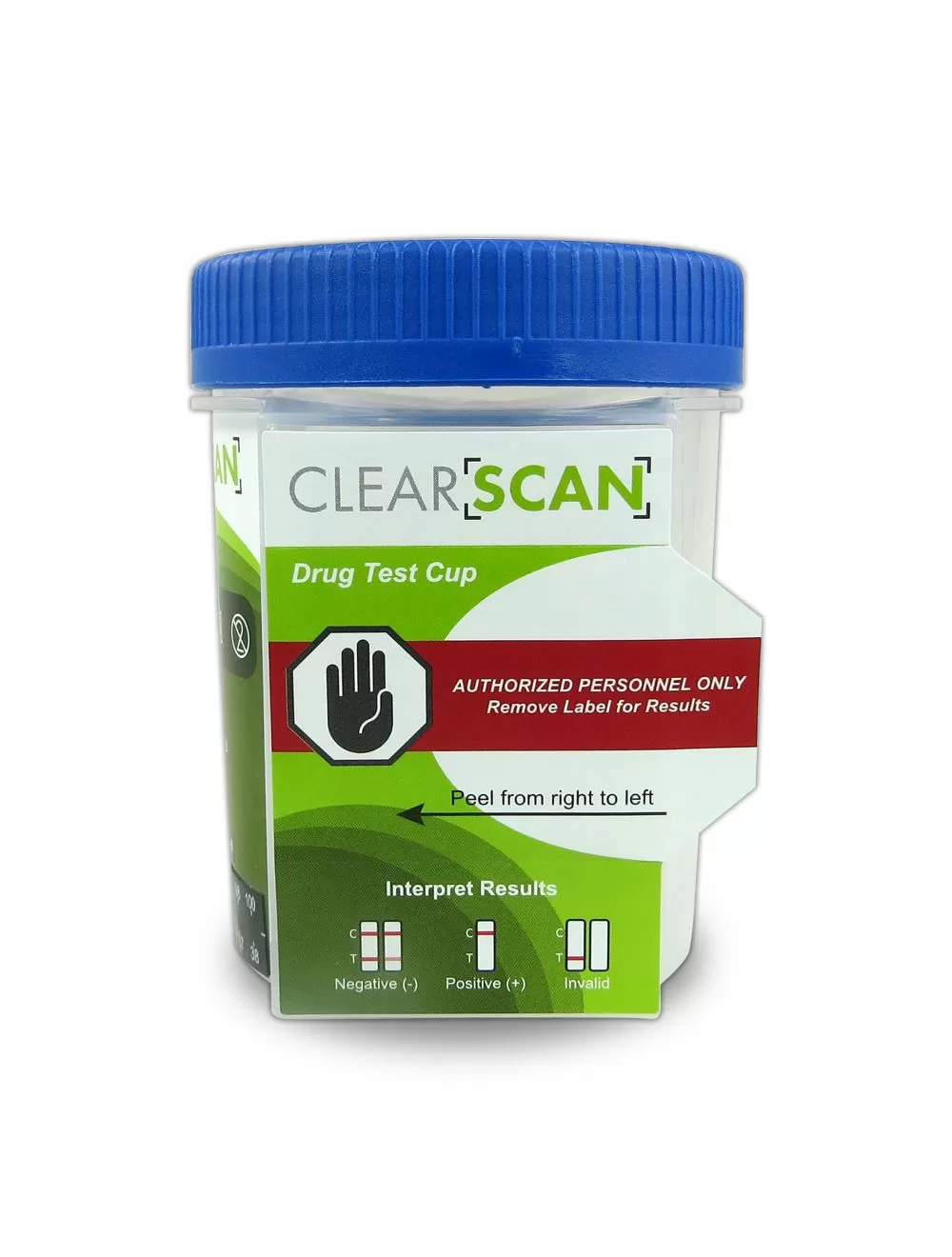
Detects: AMP, BAR, BUP, BZO, COC, mAMP, MDMA, MTD, MOP, OXY, PCP, THC
Saliva Drug Tests for Recent-Use Screening
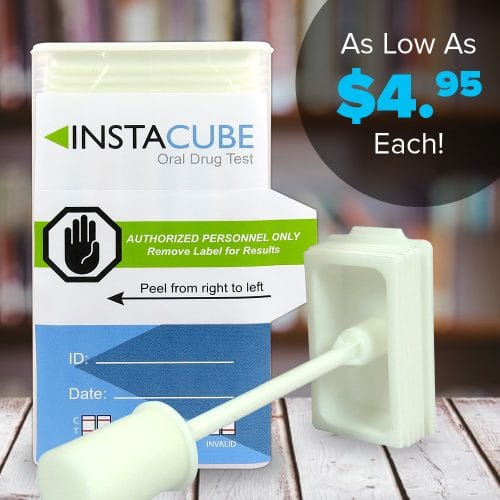
Oral drug test kits are non-invasive and increasingly popular for onsite and random workplace testing because they provide rapid, observable results. These tests are designed to detect recent drug use, generally within the previous 24 to 48 hours, making them useful when employers need to assess possible recent substance use.
For employers that prefer oral fluid testing, DrugTestsInBulk offers several saliva drug test kits suitable for workplace programs, including:
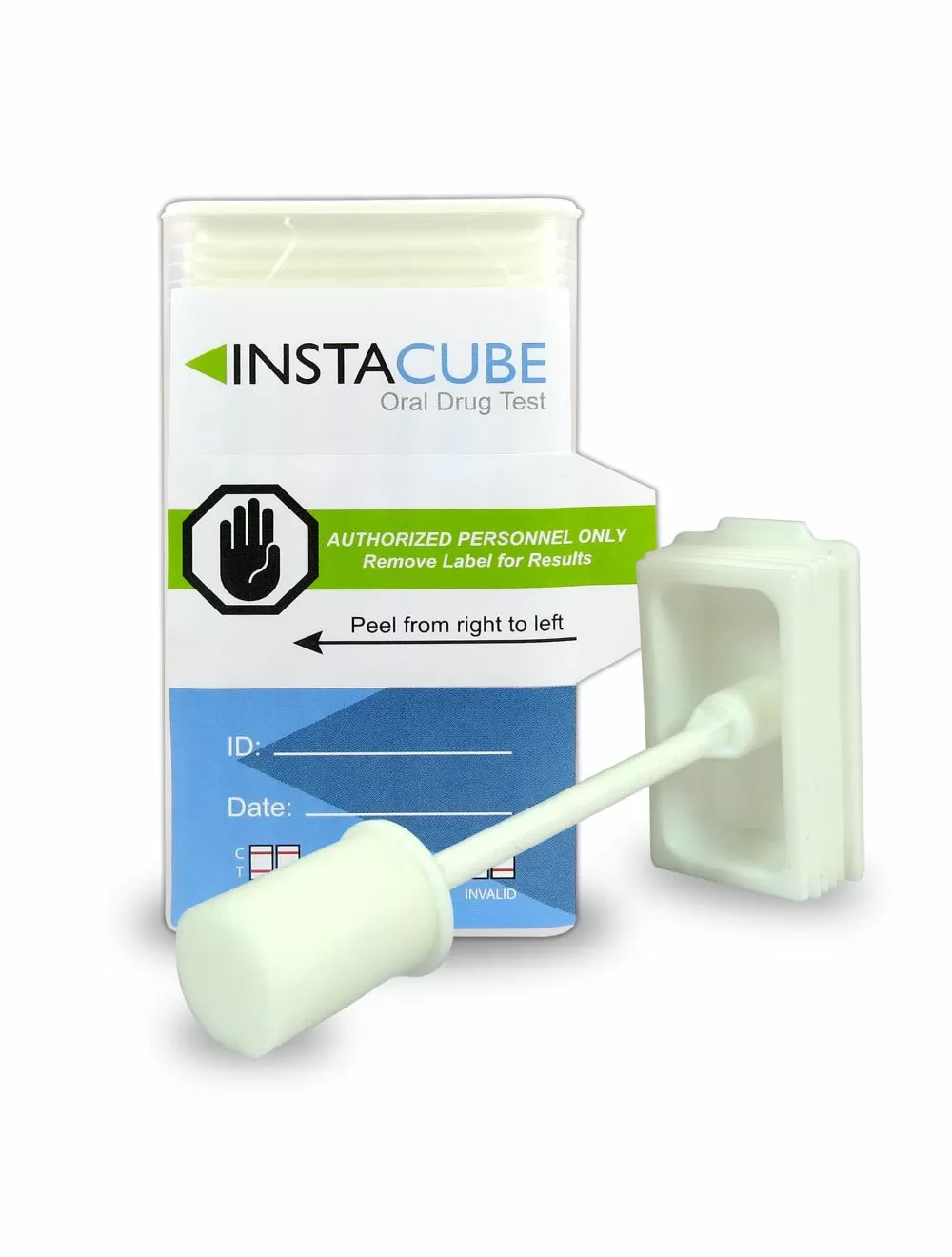
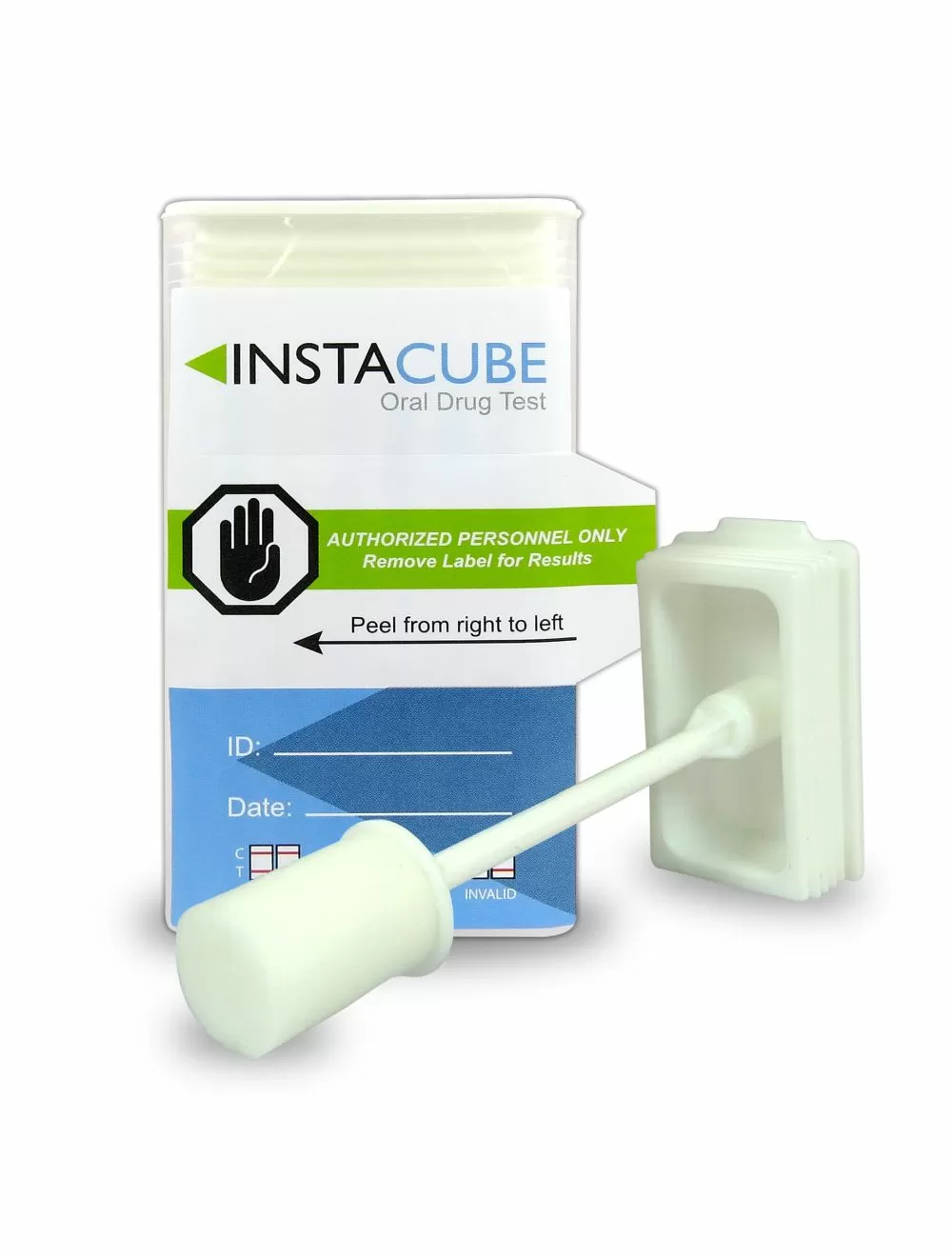
InstaCube 10 Panel Saliva Drug Test with Indicator
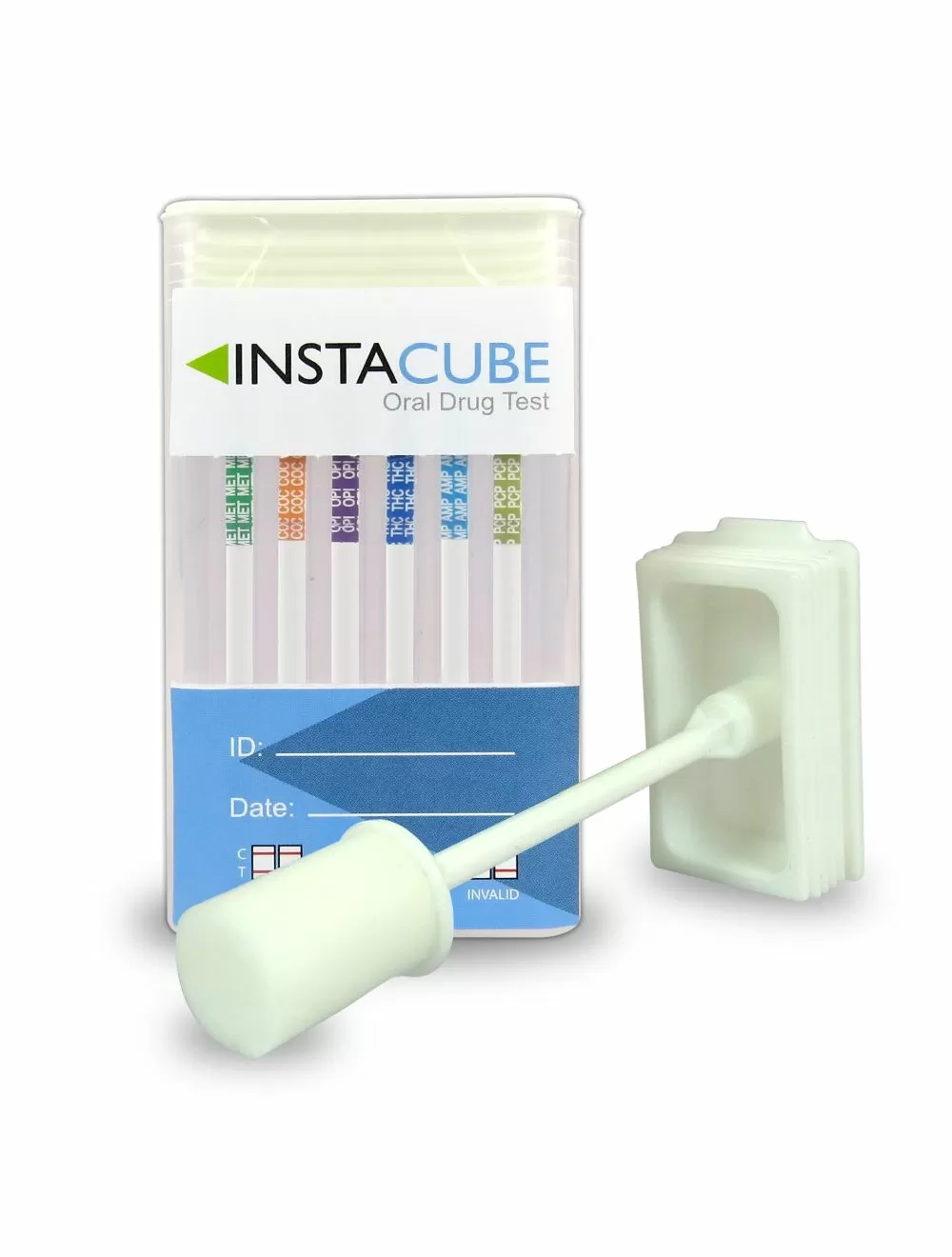
Detects: AMP, BAR, BUP, BZO, COC, mAMP, OPI, OXY, PCP, THC
Hair Follicle Drug Tests and Longer Detection Windows
Hair follicle testing is less common because it is more expensive and some applicants may object to sample collection. However, it provides the longest detection window, identifying patterns of drug use for up to approximately 90 days.
Hair testing is primarily used for pre-employment screening because it detects long-term drug use rather than recent impairment.
Instant Drug Test Results vs. Lab Confirmation
Employers must decide between rapid onsite testing and laboratory confirmation based on the needs of their workplace testing program.
- Instant (Rapid) Tests: Provide preliminary results within minutes using urine or saliva samples. Negative results are available quickly, while non-negative results require laboratory confirmation.
- Lab Confirmation: If an instant test returns a non-negative (positive) result, send it to a certified laboratory for gas chromatography/mass spectrometry (GC-MS) confirmation. While this takes longer (typically 2–3 days), it eliminates a false-positive drug test and ensures legally defensible, accurate results.
What Drug Test Panels Do Construction Companies Use?
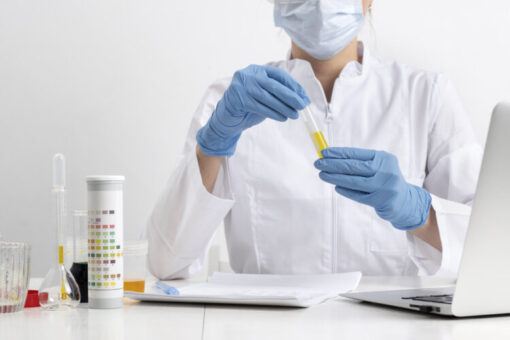
The type of construction drug test an employer chooses depends on workplace policies, job responsibilities, and regulatory requirements. Urine testing remains the most common option because it offers dependable results, established detection windows, and a cost-effective way to screen employees.
5-Panel Construction Drug Test
The 5-panel drug test remains the baseline standard and is required for most DOT-regulated safety-sensitive positions. It screens for:
- Amphetamines/Methamphetamines
- Cocaine (COC)
- Marijuana (THC)
- Opioids (codeine, morphine, heroin)
- PCP
10-Panel and 12-Panel Drug Tests for Construction
Many private construction companies choose 10-panel or 12-panel drug tests because employees operating heavy equipment or performing other safety-sensitive duties may need broader screening.
- 10-Panel: Includes the five drugs in the standard panel plus barbiturates, benzodiazepines, methadone, methaqualone, and propoxyphene.
- 12-Panel: Includes the drugs in the 10-panel while adding substances such as oxycodone and MDMA. Depending on the manufacturer, some 12-panel tests may also include hydrocodone, tramadol, or tricyclic antidepressants (TCAs).
Note: The substances included in a 12-panel drug test vary by manufacturer, so employers should always verify the specific panel they are purchasing.
Do Construction Drug Tests Include Alcohol?
Standard urine drug tests do not automatically screen for alcohol because alcohol has a relatively short detection window in urine. However, construction employers often integrate breathalyzer tests, saliva tests, or specialized urine tests for alcohol during pre-employment, post-accident, or reasonable-suspicion screenings. For DOT-regulated employees, breath alcohol testing is the standard method required under federal regulations.
For employers looking to combine drug and alcohol screening, DrugTestsInBulk offers professional testing solutions such as:
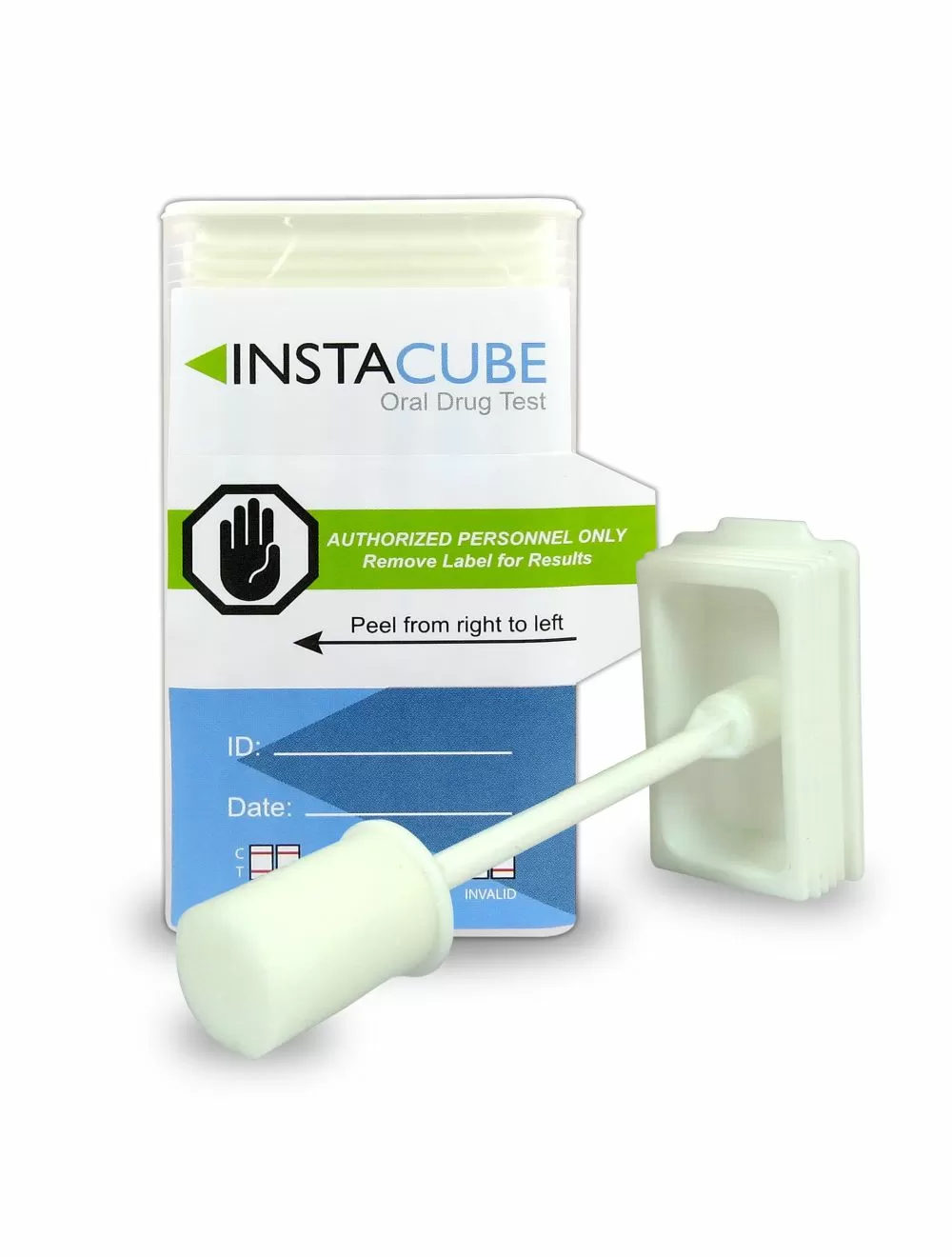
12 Panel Saliva Drug Test With Alcohol by InstaCube
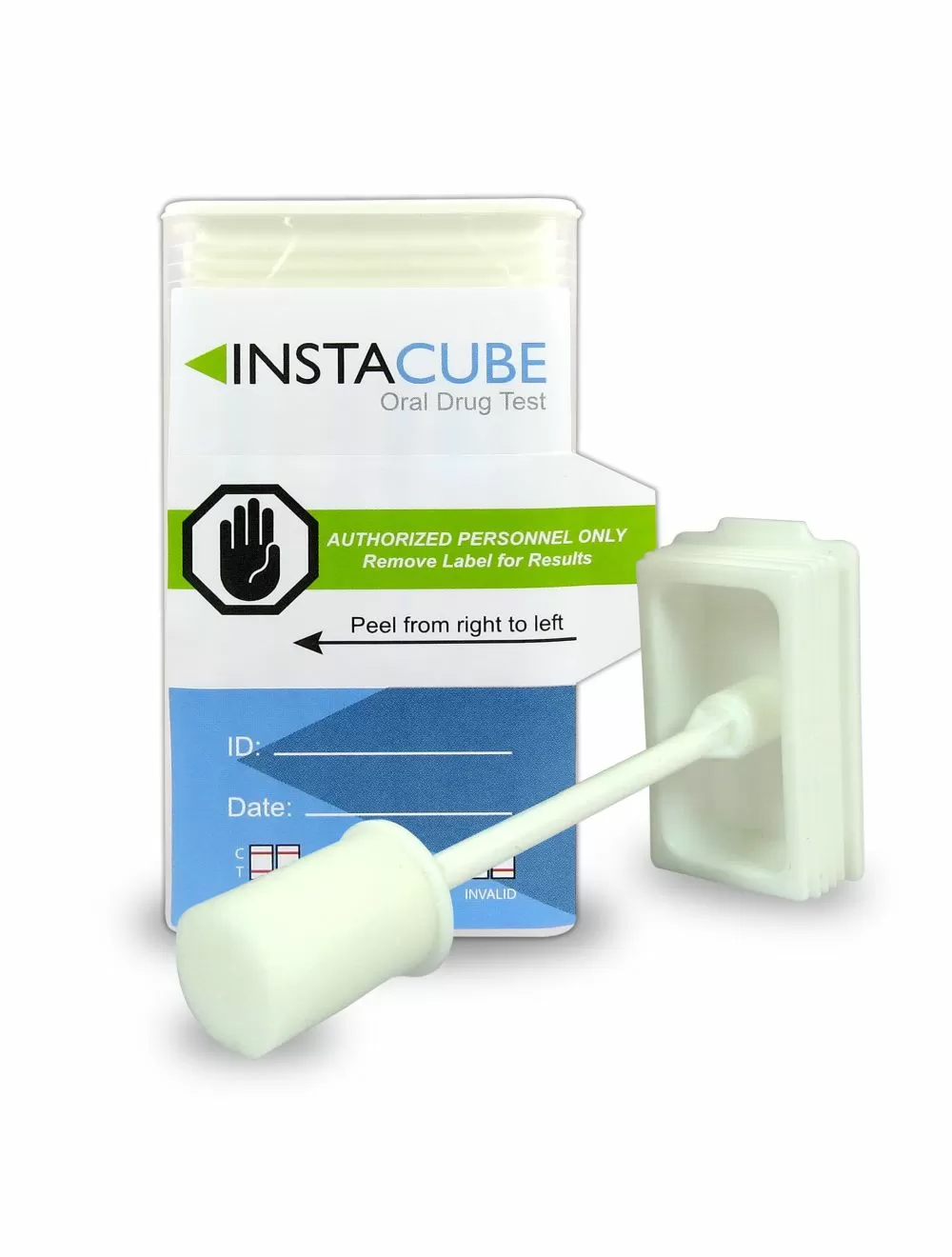
Detects: ALC, AMP, BAR, BUP, BZO, COC, mAMP, MTD, OPI, OXY, PCP, THC
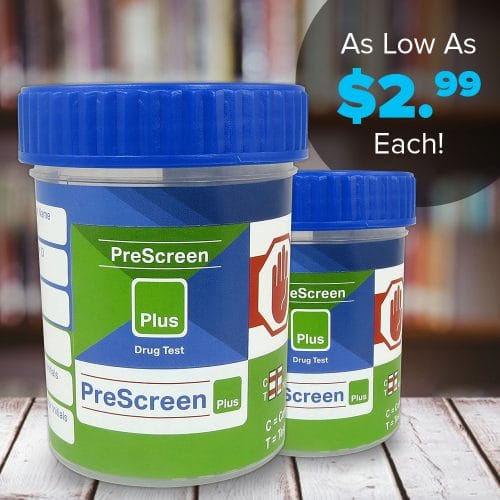
PreScreen Plus 10-Panel Cup With Alcohol (FUO)
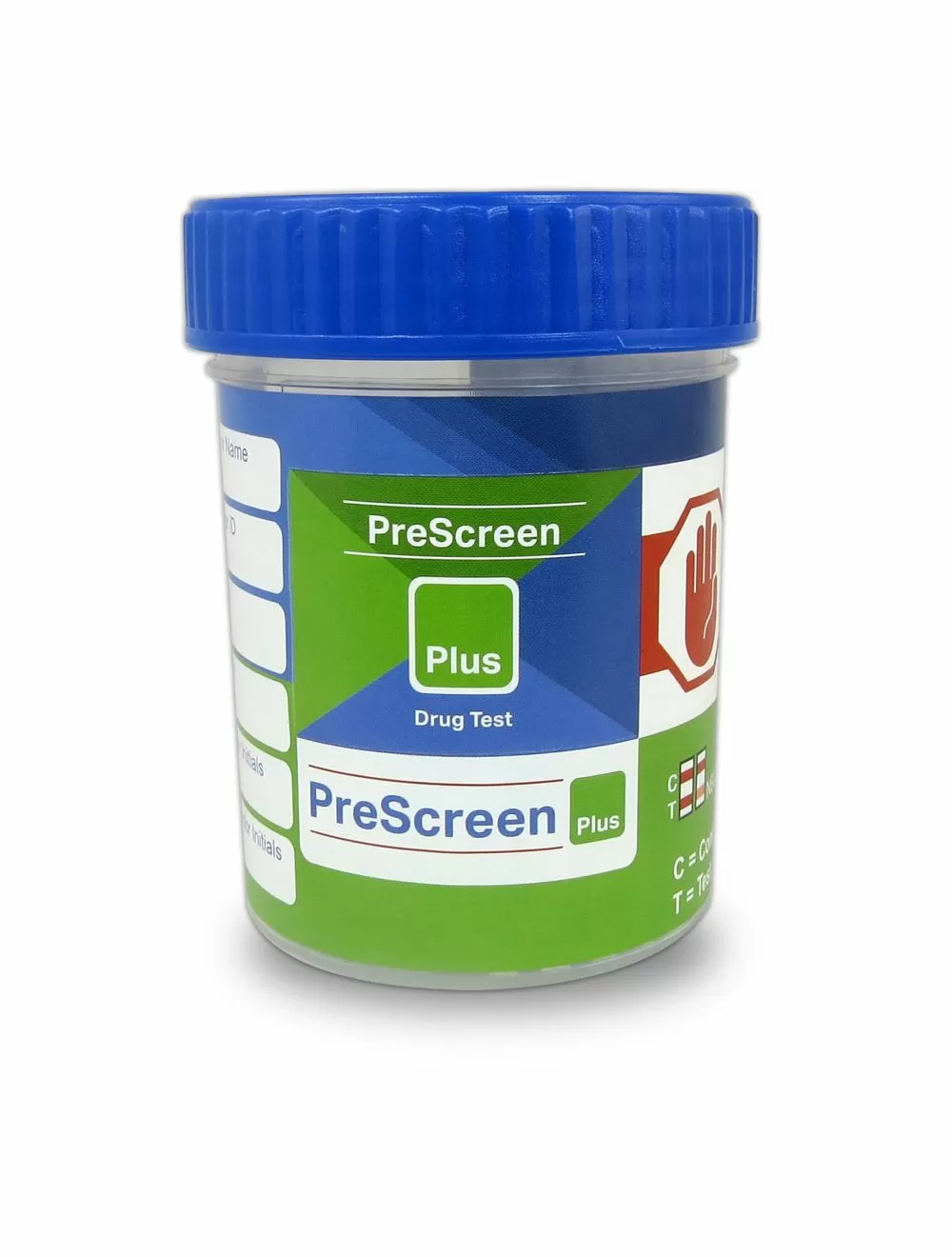
Detects: ALC, AMP, BAR, BZO, COC, MET, MTD, OPI, OXY, PCP, THC
Construction Drug Test Panel Comparison Chart
| Panel Type | Substances Detected | Typical Detection Window (Urine) |
| 5-Panel | THC, Cocaine, Amphetamines, Opiates, PCP | 1-30 days (THC), 2-4 days (others) |
| 10-Panel | 5-Panel + Benzodiazepines, Barbiturates, Methadone, Propoxyphene, Methaqualone | Varies by drug (1-30 days) |
| 12-Panel | 10-Panel + Additional substances (commonly oxycodone and MDMA; varies by manufacturer) | Varies by drug (1-30 days) |
Do Construction Jobs Test for Weed?
Yes, weed remains part of standard construction testing. Most panels screen for 5 to 10 substances, and THC is almost always included. It shows up in pre-employment, random, and post-accident screenings alike.
Why THC Is Still Common on Construction Drug Test Panels
Construction sites involve heavy equipment, elevated work areas, and other hazardous conditions where employees must remain alert. Although standard urine drug tests detect inactive THC metabolites rather than current impairment, employers continue testing for THC to support workplace safety, reduce liability, and, in some cases, qualify for workers’ compensation insurance incentives.
Legal Marijuana vs. Workplace Drug Testing Rules
Many states have passed laws protecting workers from being penalized for off-duty cannabis use. However, the building and construction trades are explicitly exempt from many of these legal protections in several states.
For instance, in states like California, construction employers are legally allowed to continue testing for THC and firing applicants or employees who test positive. Additionally, regardless of state laws, medical marijuana cards rarely provide immunity against a positive drug test in the construction industry.
DOT, CDL, and Safety-Sensitive Construction Jobs
Employees who operate commercial motor vehicles requiring a Commercial Driver’s License (CDL) are subject to Department of Transportation (DOT) drug and alcohol testing regulations.
- Federal Preemption: DOT regulations override any and all state laws.
- Zero Tolerance: It is entirely unacceptable for any safety-sensitive, CDL-holding employee to use marijuana, even medically.
- Clearinghouse: A positive result is reported to the FMCSA Clearinghouse, and the worker can’t drive again until completing the return-to-duty process.
Can You Fail a Construction Drug Test for Legal Weed?
Yes, you can absolutely fail a construction drug test for legally prescribed medical marijuana or recreational cannabis. Because THC metabolites linger in the body far longer than alcohol, urine tests can detect them anywhere from 3 to 7 days after a single use, and over 30 days for regular users. These tests do not measure current impairment. Since labs cannot determine the source of the THC, legal marijuana—and even over-the-counter CBD products—can cause a failed drug test.
Construction Drug Test Detection Times
Detection times vary by drug, test type, and individual factors. The timelines below are general estimates and may differ from person to person.
How Long Does Weed Stay in Your System for a Construction Drug Test?
THC detection depends on both the testing method and how often marijuana is used. Frequent users generally have longer detection windows than occasional users.
- Urine: Approximately 1–3 days after a single use, around 5–7 days for moderate use, and 30 days or longer for frequent or daily use.
- Saliva: Typically up to 24 to 48 hours after use.
- Hair: Up to 90 days.
Detection Times for Common Drugs on Construction Test Panels
Most construction drug test panels screen for multiple drug classes, each with its own approximate detection window.
- Amphetamines and Methamphetamines: 1 to 3 days
- Cocaine: 2 to 4 days
- Opiates: 1 to 4 days
- PCP: 1–5 days for occasional use, with longer detection possible in chronic users
- Benzodiazepines: Approximately 3–7 days, although long-acting medications may remain detectable for several weeks
What Affects Drug Test Detection Times?
Several factors influence how long a substance remains detectable in the body:
- Frequency and Amount of Use: More frequent or heavier use generally extends the detection window.
- Body Composition: THC is fat-soluble, so individuals with higher body fat percentages may retain THC metabolites longer.
- Metabolism and Hydration: A faster metabolism and good hydration can speed up clearance, while a slower metabolism stretches out detection.
- Potency: Stronger cannabis strains and higher concentrations keep THC metabolites detectable for longer.
Does a Positive Drug Test Mean Someone Is Impaired?
Not necessarily. A standard construction drug test only detects the presence of residual drug metabolites, not whether someone is currently impaired. Because THC metabolites remain inert in the body long after the psychoactive effects have worn off, a positive result simply indicates past usage. To address this, many safety-critical organizations are shifting toward real-time impairment detection technology to assess a worker’s actual fitness for duty before they operate heavy machinery.
How to Prepare for a Construction Drug Test Without Risky Shortcuts
Preparing safely comes down to knowing what to expect and having documentation ready for any legal substances in your system.
Bring Prescription and Medical Information When Needed
If you take prescription medication that could produce a positive drug test result, such as opioids, benzodiazepines, or certain stimulant medications, gather your documentation before testing.
- Bring a list of current prescription medications and, if requested, supporting documentation such as the prescription label or pharmacy information.
- If a prescribed medication results in a non-negative test, a Medical Review Officer (MRO) may contact you to verify the prescription before the result is reported to the employer.
Why Detox Drinks, Fake Urine, and Tampering Can Backfire
Trying to alter, dilute, or substitute a sample can lead to invalid results, retesting, or disciplinary action under the employer’s construction drug testing policy. The safest approach is to follow the testing instructions, disclose valid prescriptions when appropriate, and avoid relying on products or methods that claim to hide drug use.
- Detox Drinks: These products do not remove drugs from the body. Many work by diluting urine or affecting sample validity, which can lead to an invalid or questionable result.
- Fake Urine: Modern test kits are designed to detect synthetic urine through abnormal pH and incorrect temperature readings.
- Tampering: Some urine drug test kits include adulterant checks for drug tests to help identify diluted or altered samples. Observed collections, temperature strips, and lab confirmation may also be used when tampering is a concern.
Ask About the Construction Drug Testing Policy
Before taking the test, ask the employer or the testing provider about the details of the drug testing program. Policies vary by employer, state law, and whether the project is federally regulated.
Construction Drug Testing Policy Checklist for Employers
A clear construction drug testing policy helps employers apply testing consistently while supporting workplace safety and regulatory compliance. The policy should explain who is tested, when testing occurs, and how results are handled.
Define Who Gets Tested and When
Classify every role as either safety-sensitive, such as equipment operators, scaffold crews, or electricians, or non-safety-sensitive, then specify exactly when testing applies. Most workplace policies include pre-employment, random, post-accident, and reasonable suspicion testing. A clearly written policy helps ensure testing is applied consistently, fairly, and in accordance with workplace and regulatory requirements.
Choose the Right Drug Test Type and Panel
Choose the testing method and panel that fit your workplace needs. Urine tests are the most common, saliva tests detect recent use, and hair tests provide the longest detection window. Most employers use a 5-panel, 10-panel, or 12-panel drug test.
Set Written Procedures for Collection, Results, and Confirmation
Strict adherence to collection procedures protects both the employer and the employee. Have a Chain of Custody, a Medical Review Officer (MRO), and an Employee Assistance Program (EAP).
Review State, Union, DOT, and Project-Specific Rules
Construction drug testing policies should comply with all applicable laws and agreements. Employers should consider state cannabis laws, DOT regulations for federally regulated workers, union agreements, and any project-specific requirements that may impose additional testing standards.
Choosing Construction Drug Test Kits for Worksites
Selecting the right testing products depends on your workplace safety program, the type of screening being performed, and the substances you need to detect. DrugTestsInBulk offers a wide selection of workplace drug and alcohol testing solutions for construction companies, contractors, and staffing agencies.
Drug Test Cups for Fast Onsite Construction Screening
Urine drug test cups are a practical choice for construction employers that need quick onsite results with minimal training. They combine specimen collection and screening in one device, making them ideal for pre-employment, random, and post-accident testing.
Ten Panel PreScreen Plus Cup (CLIA Waived)
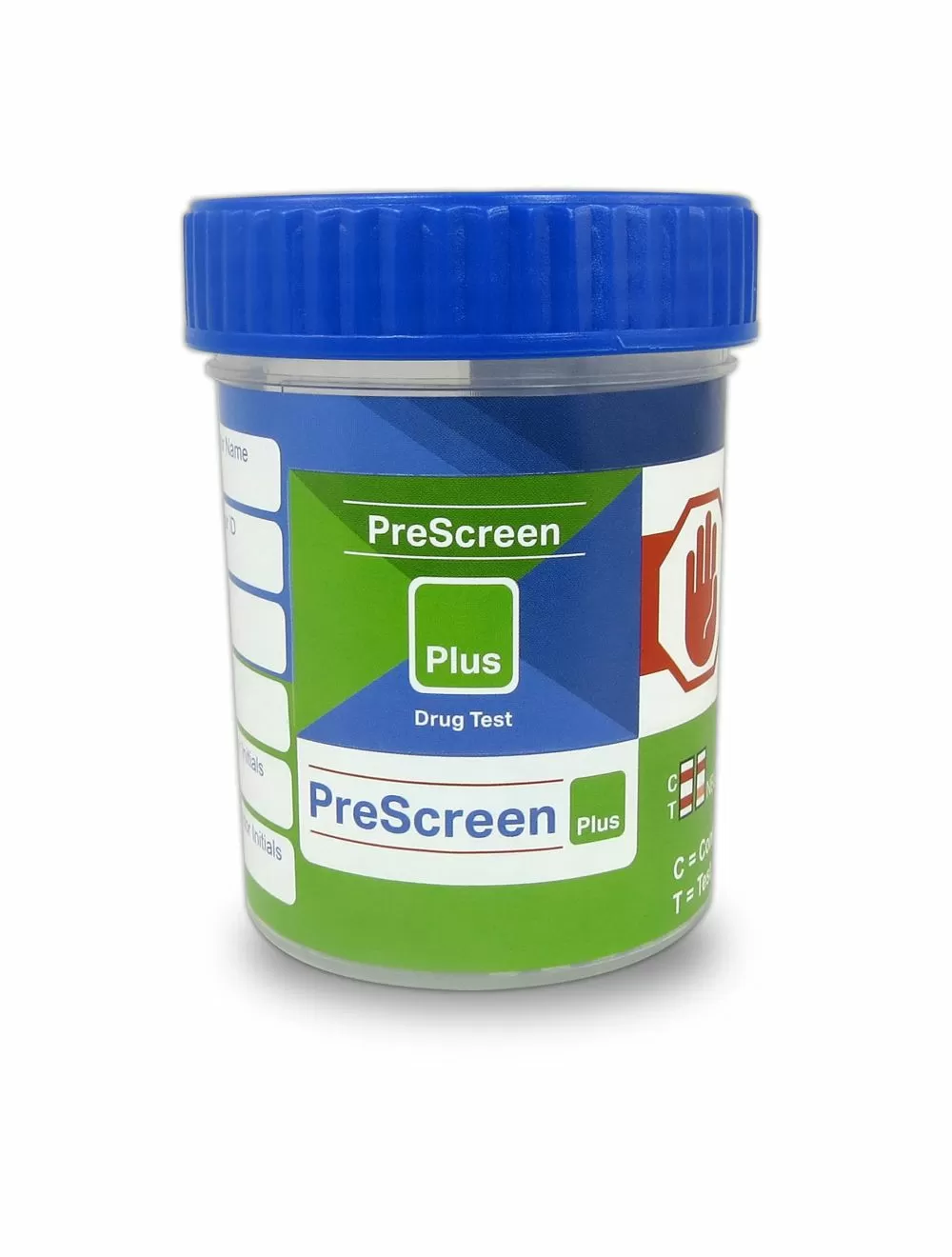
Detects: AMP, BAR, BZO, COC, MET, MDMA, MTD, OPI, PCP, THC
Twelve Panel PreScreen Plus Cup (CLIA Waived)

Detects: AMP, BAR, BUP, BZO, COC, mAMP, MDMA, MTD, MOP, OXY, PCP, THC
Thirteen Panel Clear Scan Drug Test Cup (CLIA Waived)
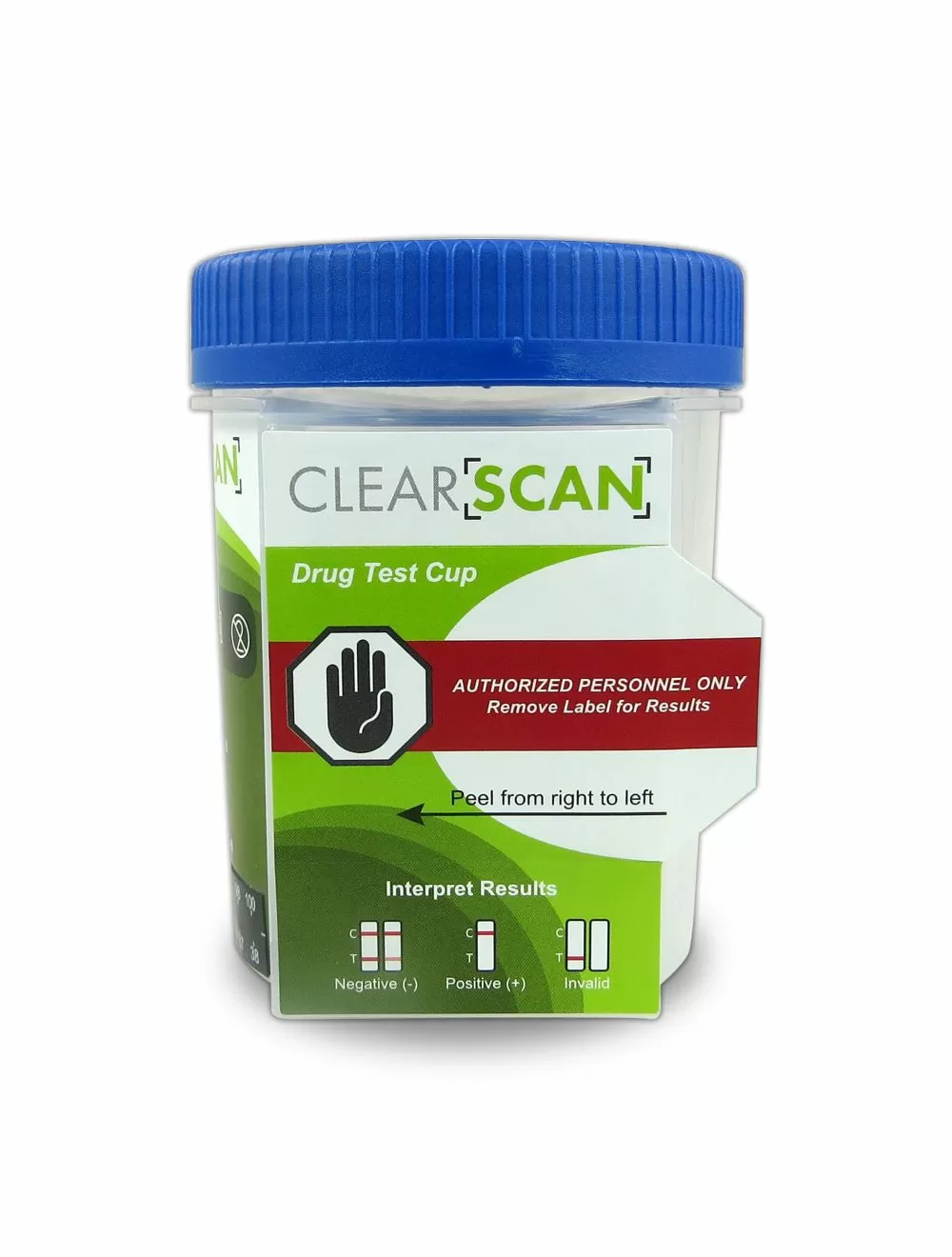
Detects: AMP, BAR, BUP, BZO, COC, mAMP, MDMA, MTD, MOP, OXY, PCP, TCA, THC
Saliva Drug Tests for Observed Recent-Use Screening
Saliva drug tests are an excellent option when employers want an observed collection without using a restroom. They are commonly used for reasonable suspicion and random testing because they detect recent drug use and reduce opportunities for sample tampering.
InstaCube 10 Panel Saliva Drug Test with Indicator
Detects: AMP, BAR, BUP, BZO, COC, mAMP, OPI, OXY, PCP, THC
Alcohol and EtG Tests for Construction Workplace Programs
Many construction companies include alcohol testing alongside drug screening, particularly for post-accident investigations, reasonable suspicion testing, and DOT-regulated employees. Depending on your workplace program, you may need tests that detect recent alcohol use or EtG, an alcohol metabolite used for a longer detection window.
Fourteen Panel (14-panel) Drug Test with ETG and Fentanyl (FUO)
Detects: AMP, BAR, BUP, BZO, COC, ETG, FEN, MET, MDMA, MTD, MOR, OXY, PCP, THC
14 Panel Saliva Drug Test with Alcohol, Fentanyl & K2 by InstaCube
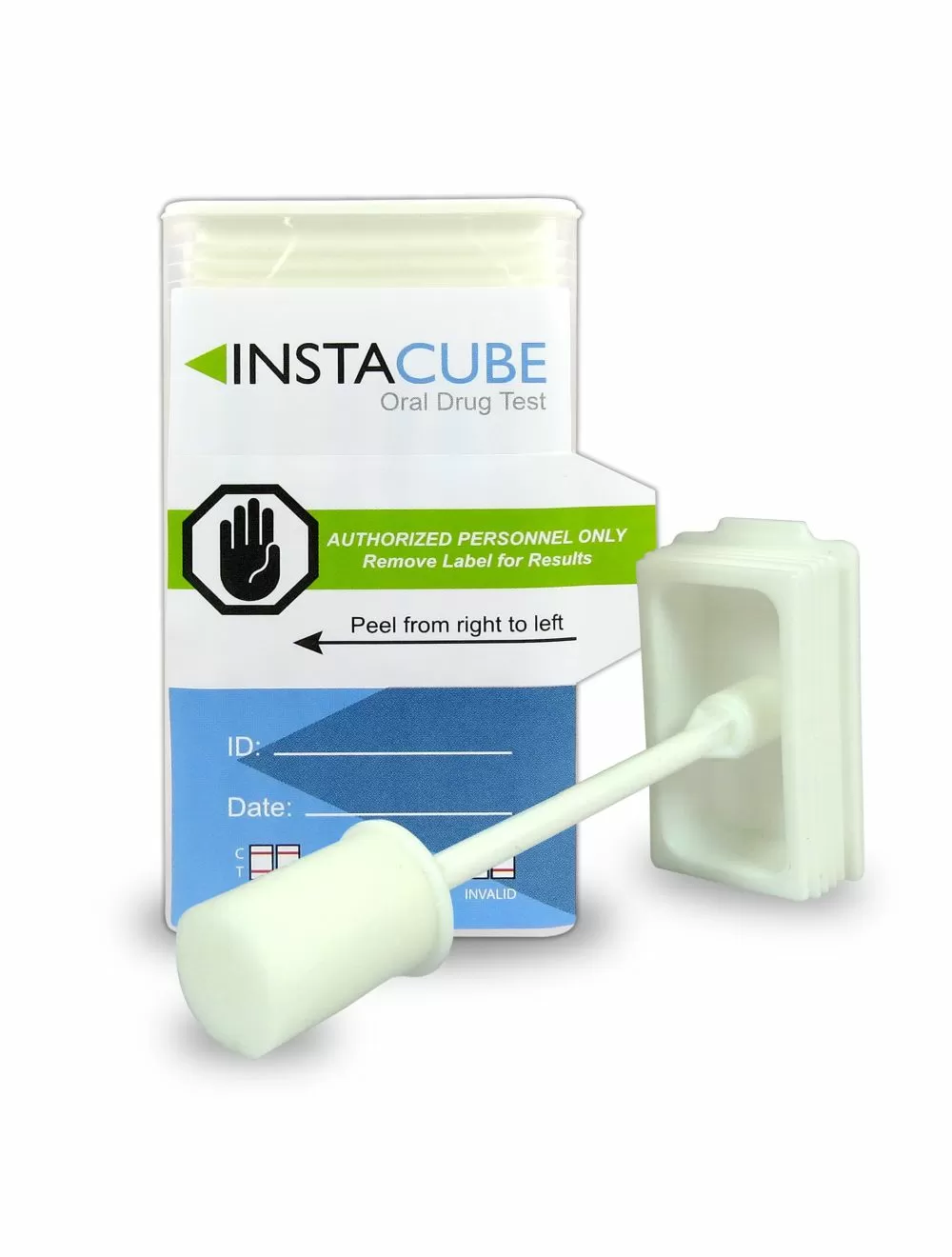
Detects: ALC, AMP, BAR, BUP, BZO, COC, FEN, K2, mAMP, MTD, OPI, OXY, PCP, THC
Bulk Drug Testing Supplies for Contractors and Staffing Agencies
Construction companies often hire large crews, work with subcontractors, or recruit through staffing agencies, making bulk purchasing a practical way to control testing costs. Depending on the company’s testing policy, employers may choose anything from basic screening options to a more comprehensive 13-panel drug test that screens for a broader range of substances.
DrugTestsInBulk (DTIB) provides high-quality, affordable drug and alcohol testing products designed for workplace testing programs. With bulk pricing, free shipping on qualifying orders over $75, a price match guarantee, and more than 15 years of industry experience, DrugTestsInBulk helps organizations implement reliable and cost-effective testing programs.
Whether you need rapid urine drug test cups, oral fluid drug tests, alcohol screening devices, or workplace testing supplies, DTIB offers dependable solutions backed by knowledgeable customer support, employer education resources, fast shipping, and competitive pricing.
Construction Drug Test FAQs
Do construction companies drug test before hiring?
Yes. Pre-employment drug screening is a standard practice for many construction companies.
Do construction workers get randomly drug tested?
Yes. Random drug testing is common on construction sites to help maintain a drug-free workplace.
What kind of drug test do construction companies use?
Employers typically use urine tests for pre-employment screening and saliva tests for random or post-incident testing, where fast, observed collection is beneficial.
RELATED: Saliva Drug Test vs Urine Test: Pros and Cons for Employers
Do construction jobs test for weed?
Yes. Many construction companies continue testing for THC even in states where marijuana is legal.
How long does weed stay in your system for a construction drug test?
The detection window for THC varies heavily based on frequency of use. A single use is typically detectable in urine for 1 to 3 days, while moderate use spans 5 to 7 days. Daily use can be detected for 10 to 15 days, and heavy long-term use can be detected for 30 days or longer.
Can you fail a construction drug test for legal marijuana?
Yes. Even if marijuana is legal for medical or recreational use in your state, employers may still enforce workplace drug testing policies.
Does OSHA require a construction drug test after every accident?
No. The OSHA regulations state that post-accident drug testing cannot be used as a blanket policy for every minor injury.
What happens if a construction worker fails a drug test?
The consequences depend on the employer’s drug testing policy, union agreements, and project requirements.
Can CBD cause a positive THC result?
Yes, it is possible. Many over-the-counter CBD (cannabidiol) products contain trace amounts of THC.
What should employers include in a construction drug testing policy?
A comprehensive construction drug testing policy must clearly detail which substances are tested, which methods are used, when tests are conducted, and what consequences follow a positive result.