Many employers wonder whether a 5-panel drug test can detect fake urine as they work to maintain reliable workplace screening programs. As synthetic urine products become more accessible, random drug and alcohol testing programs face new integrity challenges. A standard 5-panel test can be used for detection, provided employers are aware of the characteristics of synthetic urine and enforce protocols.
Quick Summary
- What Is a 5 Panel Drug Test for Employment
- What is Synthetic Urine
- Common Indicators of Fake or Synthetic Urine
- Best Bulk 5 Panel Urine Drug Tests for Employers
What Is a 5 Panel Drug Test for Employment
A 5-panel drug test is a common workplace screening tool used to identify recent drug use. It targets five specific drug classes frequently associated with safety and compliance concerns. Employers rely on such tests for pre-employment, random, and post-incident screening programs. The test is designed for efficiency, consistency, and large-scale workplace administration. Results help employers support drug-free workplace policies and reduce operational risk.
Types of 5 Panel Drug Test Specimen Collection
Employers can administer a 5-panel drug test using several specimen collection formats. They vary in cost, oversight requirements, and detection capabilities. Selection often depends on testing volume, setting, and desired level of control. Understanding these differences helps employers align testing methods with their program goals.
Urine Cup Tests
Urine cup tests combine sample collection and screening. Most cups have temperature strips and adulterant indicators to flag tampering attempts. These tests support on-site screening with immediate preliminary results. Employers value urine cups for speed and ease of use.
Dip Card Tests
Dip card tests are compact and often used in high-volume screening environments. As the name suggests, the card is dipped directly into the collected urine sample. Most dip cards lack built-in adulterant or specimen validity indicators. This limits their ability to identify fake or altered urine samples. They are best suited for preliminary screening rather than compliance-driven programs or for use as home drug testing kits.
Lab-Based Urine Analysis
Lab-based urine analysis verifies the specimen and simultaneously screens for drugs. The sample is sent to a certified testing laboratory. Laboratories evaluate creatinine, pH, specific gravity, and oxidizing agents. Advanced analysis can identify synthetic urine with higher accuracy. This method provides the strongest documentation for regulated testing programs.
What Is Synthetic Urine
Synthetic urine is a manufactured liquid designed to resemble natural human urine. It often contains water, salts, urea, and creatinine substitutes, but lacks natural metabolic byproducts. The product is intended to circumvent urine drug screening. Some fake urine closely mimics the appearance and chemical properties of real urine.
Does Synthetic Urine Work?
Depending on the test’s sensitivity and the presence of validity checks, synthetic urine can sometimes pass a basic urine drug screening. Therefore, it carries a significant risk when screening doesn’t have integrity controls.
Common Indicators of Fake or Synthetic Urine
Fake or synthetic urine often presents measurable inconsistencies in chemical composition or physical characteristics during screening. Detection depends on test design and collection procedures. Employers benefit from recognizing the patterns that suggest sample substitution.
Temperature Outside Acceptable Range
- Fresh human urine typically registers within a narrow temperature range shortly after collection
- Samples that are too cool or excessively warm may indicate substitution or pre-heated synthetic urine
- Most urine drug test cups include temperature strips to identify this issue at the point of collection
Unusual Color or Clarity
- Synthetic urine may appear overly clear, foamy, or unnaturally pale
- Inconsistent coloration compared to typical urine can raise suspicion during visual inspection
- Extremely diluted samples without a medical explanation are commonly flagged
Abnormal Creatinine Levels
- Creatinine is naturally present in human urine at consistent levels
- Synthetic or diluted samples often fall below accepted creatinine thresholds
- Low creatinine levels may result in an invalid or rejected test result
pH Levels Outside Normal Parameters
- Human urine normally falls within a predictable pH range
- Synthetic or adulterated urine may test too acidic or too alkaline
- Abnormal pH values are a common indicator of chemical manipulation
Presence or Absence of Expected Compounds
- Authentic urine contains naturally occurring compounds such as urea
- Some synthetic urine lacks these markers or includes masking additives
- Modern test panels are designed to detect these inconsistencies during analysis
Collection Process Irregularities
- Delayed sample submission can indicate preparation or substitution attempts
- Attempts to conceal containers or personal items raise collection concerns
- Refusal to follow observed collection procedures may invalidate the test
How to Detect Fake Urine?
Detection relies on a combination of proper collection procedures and built-in specimen checks that identify results inconsistent with natural urine. When workplace testing protocols are followed correctly, fake or synthetic urine can often be identified at the point of collection or during analysis.
- Verify sample temperature immediately after collection
Most urine drug test cups include temperature strips that confirm the specimen was freshly provided. Readings outside the accepted range are a common reason for invalidation. - Use chemical markers to confirm specimen validity
Laboratory and point-of-care tests evaluate creatinine, pH, and specific gravity to confirm the sample matches normal human urine chemistry. - Conduct a visual inspection at the time of receipt
Color, clarity, and the presence of foam or sediment can reveal dilution or substitution before testing proceeds. - Enforce observed or controlled collection procedures
Direct observation, restricted access to personal items, and clear chain-of-custody rules reduce opportunities for the use of synthetic urine.
Employers aiming to prevent tampering often choose professional-grade testing kits with built-in safeguards. It’s also helpful to understand the difference between 510(k) clearance and approval, as this can influence which products are appropriate for workplace screening programs.
Best Bulk 5 Panel Urine Drug Tests for Employers
Different 5-panel urine drug test formats support different workplace testing needs. Selecting the right option improves workflow efficiency and policy compliance. Employers purchasing in bulk prioritize consistency, cost control, and the maintenance of uninterrupted testing programs.
Recommended DTIB 5 Panel Drug Test Options
DrugTestsInBulk offers several 5-panel drug test options, including the best drug test cup choices, that provide employers with wholesale savings and rapid results.
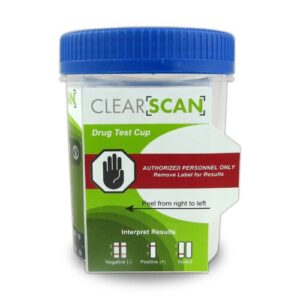
Five Panel Clear Scan Drug Test Cup (CLIA Waived)
- Clear Test Cup Design
- Flat Front for Photocopying
- Quick Results
- Up to 99% Accuracy
- No Leak Design
- Easy to Read Results
- Built-in Temp Strip
Five Panel Insight Drug Test Cup – Collection and screening in one.
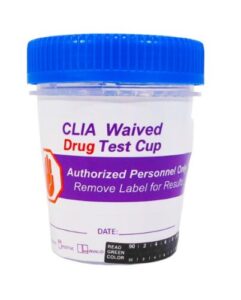
- CLIA Waived
- Results in 5 Minutes
- Easy to Read Results
- Built-in Temp Strip
Five Panel PreScreen Plus Dip Card (CLIA Waived)
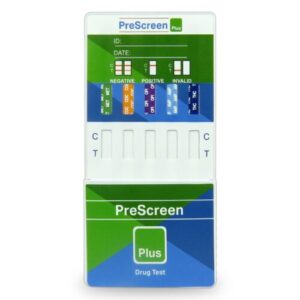
- One Step “Dip & Read”
- CLIA Waived
- Results in 5 Minutes
- For Professional Use
- Up to 5 Drugs
- Easy to Read Results
Conclusion: Detecting Fake Urine with the 5-Panel Test
Employers can use a 5-panel drug test to detect fake urine depending on their collection controls and oversight discipline. No single device eliminates risk, but informed purchasing decisions reduce exposure to manipulation. Employers who treat testing as a system, not a product, achieve stronger compliance and defensible results.
FAQ About the Reliability of the 5-Panel Drug Tests and Fake Urine
What Signs Indicate The Use Of Synthetic Urine?
Synthetic urine often shows inconsistencies compared to natural human urine. Employers can detect fake urine by checking for:
- Temperature outside the normal collection range
- Abnormal creatinine or pH levels
- Different color or lack of foaming
Can a 5-Panel Drug Test Detect Fake Urine?
Yes. A 5-panel drug test detection of fake urine depends on the test design and the employer’s collection controls. Tests detect fake urine through temperature or adulterant indicators.
Does the 5-Panel Drug Test Have Limitations When Detecting Synthetic Urine?
Yes. A 5-panel drug test is limited when no urine validity checks are performed, as it cannot always confirm the sample’s biological origin. Employers can reduce risk by pairing testing with strict collection procedures.