Infectious vs. non-infectious disease refers to two main categories of illnesses based on their causes. Distinguishing between them helps individuals and workplaces implement the right prevention strategies and make informed health decisions.
What Is the Difference Between Infectious and Non-Infectious Diseases?
Quick Answer: Infectious diseases are caused by pathogens such as bacteria and viruses and spread from person to person. Non-infectious diseases stem from genetics, lifestyle, or the environment and don’t spread between people.
Infectious diseases are caused by invading pathogens, while non-infectious diseases, or non-communicable diseases (NCDs), stem from genetics, lifestyle, or the environment.
In this Guide
- Infectious vs. Non-Infectious Disease: Key Differences
- How Do Infectious Diseases Spread?
- COVID-19 vs. Flu vs. RSV: What Should Employers Know?
- How Can Workplaces Prevent Infectious Disease Spread?
Infectious vs. Non-Infectious Disease: Key Table Differences
| Feature | Infectious Diseases | Non-Infectious Diseases |
| Primary Cause | Pathogens (bacteria, viruses, fungi, parasites) | Genetics, lifestyle, environment, or aging |
| Transmission | Can spread from person to person, animals, or vectors | Cannot be transmitted between individuals |
| Onset Speed | Typically acute and develops rapidly | Often chronic and develops slowly over time |
| Prevention Methods | Vaccines, sanitation, good hygiene, and masking | Healthy diet, exercise, avoiding toxins, and screening |
| Examples | Influenza, COVID-19, malaria, and Tuberculosis | Cancer, diabetes, cardiovascular disease, and asthma |
How Do Infectious Diseases Spread?
An infectious disease is caused by harmful microorganisms (pathogens) such as bacteria, viruses, fungi, or parasites. They spread through several main pathways:
- Direct contact: Touching an infected person or handling contaminated bodily fluids.
- Airborne droplets: Breathing in droplets released when an infected person coughs or sneezes, as with flu, COVID-19, and the common cold.
- Contaminated food and water: Ingesting food or water that contains harmful bacteria, viruses, or toxins.
- Vectors: Bites from infected insects or animals, such as mosquitoes (malaria) or ticks (Lyme disease).
- Contaminated surfaces: Touching contaminated surfaces, like doorknobs, and then touching your eyes, nose, or mouth can transmit certain pathogens.
What Is a Communicable Disease?
A communicable disease is an infectious illness that spreads easily from person to person, or from an animal to a person, through direct or indirect contact, bodily fluids, contaminated surfaces, or the air.
All communicable diseases are infectious, but not all infectious diseases are communicable. For example:
- Communicable: Flu and measles pass directly or indirectly between people.
- Non-communicable (but infectious): Tetanus enters through a wound contaminated by soil bacteria. It causes an infection but cannot be caught from another person.
Is the Common Cold Caused by a Virus or Bacteria?
When evaluating the cold virus vs. bacteria question, the answer is definitive: viruses cause the common cold, most commonly rhinoviruses.
More than 200 viruses can cause cold symptoms by infecting the lining of the nose and throat, causing sneezing, a stuffy nose, and a sore throat. Because the common cold is viral, antibiotics don’t treat or cure it, since they treat bacterial infections. Cold symptoms typically resolve on their own as the immune system clears the infection.
COVID-19 vs. Flu vs. RSV: What Should Employers Know?
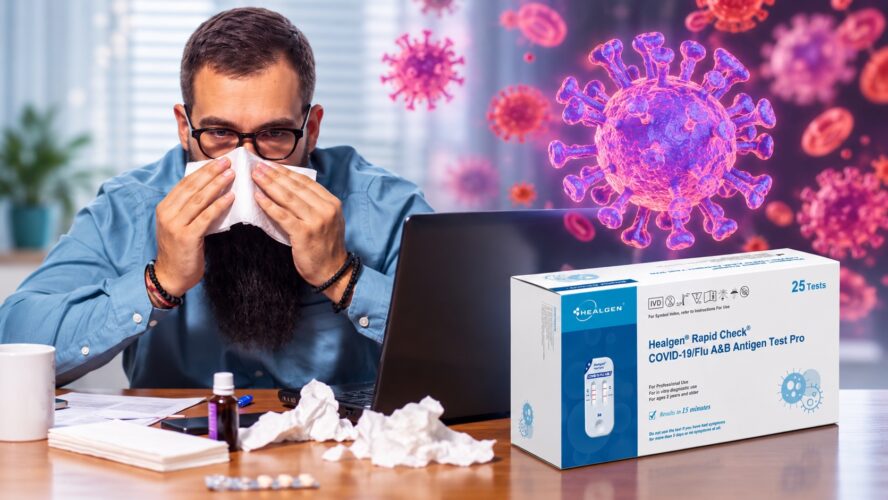
Choosing the right test depends on the suspected infection, the test’s intended use, specimen requirements, and applicable workplace or healthcare protocols.
- COVID-19 tests: Detect SARS-CoV-2 viral components, including viral proteins (antigens) or viral genetic material (RNA) via molecular or nucleic acid amplification tests.
- Flu tests: Detect antigens or genetic material specific to influenza A and/or influenza B viruses.
- RSV tests: Detect antigens or genetic material from respiratory syncytial virus (RSV).
For organizations looking to simplify health screenings, combo tests offer an efficient solution. DrugTestsInBulk (DTIB) offers the Healgen Rapid COVID-19 / Flu A&B Antigen Test Cassette, which detects SARS-CoV-2 and influenza A and B antigens simultaneously from a single swab.
Can Rapid Tests Distinguish COVID-19, Flu, and RSV?
Yes, specialized multiplex tests can distinguish between these respiratory viruses from a single specimen. Depending on the product, rapid antigen or molecular tests can identify SARS-CoV-2, influenza A and B, and RSV at the same time.
Employers should understand the different testing options available to their organizations:
- Over-the-counter (OTC) home kits: These typically screen for COVID-19 alone, though some combination kits screen for both COVID-19 and influenza. The specific viruses covered and permitted uses vary by brand.
- Clinical or laboratory testing: Professional healthcare settings most commonly use multiplex tests that include RSV screening rather than at-home testing.
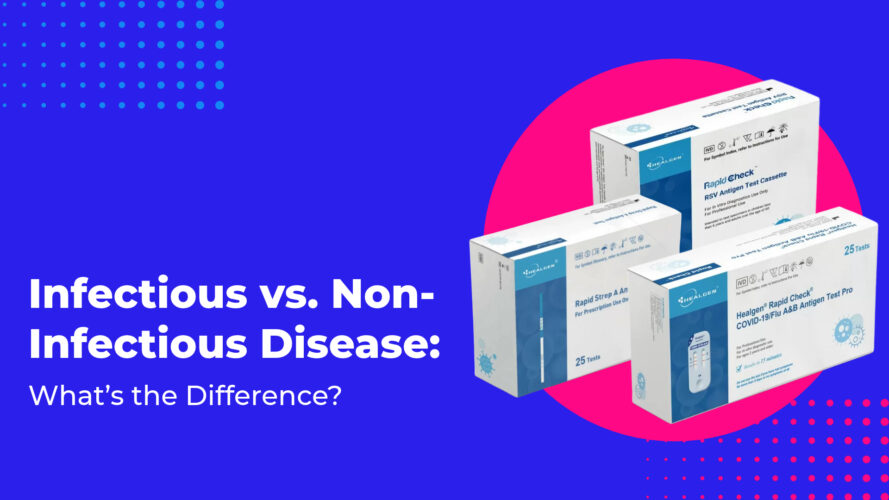
For organizations seeking professional-grade RSV testing, DTIB offers the Rapid Check™ RSV Antigen Test (20/kit). Before purchasing or deploying it, organizations should review the manufacturer’s instructions to confirm the permitted specimen types, testing environment and authorized users.
How Can Workplaces Prevent Infectious Disease Spread?
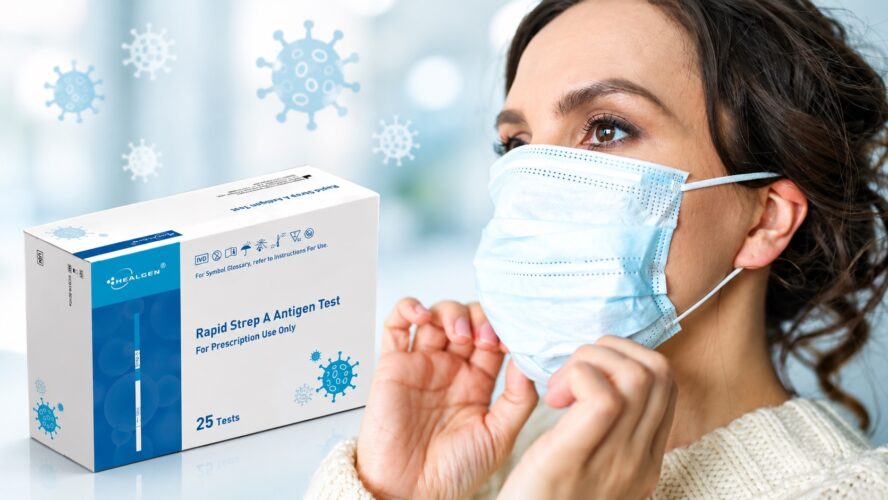
A healthy workforce depends on proactive hygiene and clear health protocols. Organizations can manage viral transmission effectively by establishing an actionable workplace infectious control plan. Employers can reduce transmission by putting these steps in place:
- Promote regular hand hygiene: Provide accessible hand sanitizer stations and stock restrooms with soap.
- Support vaccination: Encourage employees to stay up to date on recommended influenza, COVID-19, and RSV vaccinations, where appropriate for their age, health status, and occupation.
- Encourage sick leave: Build a culture where employees stay home or work remotely when they show contagious symptoms.
- Optimize ventilation: Upgrade building HVAC filters or use standalone HEPA air purifiers to reduce airborne pathogen density.
- Clean high-touch surfaces: Disinfect doorknobs, kitchen counters, elevator buttons and conference tables often.
- Provide personal protective equipment (PPE): Keep disposable face masks or gloves readily available for employees working in close quarters.
When Should Employers Consider Rapid Infectious Disease Testing?
Rapid testing works best when it is built into health and safety protocols for specific situations, especially when evaluating workplace rapid screening for infectious disease antigens versus sending staff to off-site laboratories:
- During seasonal outbreaks: Testing in peak flu or respiratory virus seasons helps identify infected individuals before they cause a workplace cluster.
- Post-exposure screening: After a positive result, rapid tests let management quickly screen close contacts.
- Returning to the office: After holidays or corporate travel, rapid tests may help identify some infections before employees return, but they cannot guarantee someone isn’t infectious.
Respiratory swab kits collect specimens to detect infectious respiratory illnesses, including COVID-19, influenza A/B, RSV, and Strep A, depending on the test. DrugTestsInBulk (DTIB) offers professional-grade bulk, rapid antigen test kits for fast workplace and healthcare screening, with results in 5 to 15 minutes. Available products include:
Healgen Rapid Strep A Test Kit – 25/Kit (CLIA Waived)
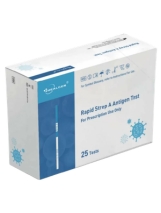
Throat swab specimen
CLIA Waived
Results in 5 minutes
Detects Group A Streptococcal antigens
Healgen Rapid COVID-19 / Flu A&B Antigen Test Cassette (Swab)
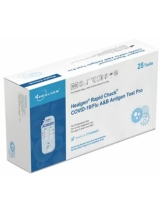
3-in-1 COVID-19 and flu test
510(k) Cleared
Rapid results within 15 minutes
Detects SARS-CoV-2, Influenza A & B
Rapid Check™ RSV Antigen Test – 20/kit | CLIA Waived
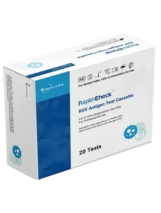
Nasal aspirate specimen
510(k) Cleared / CLIA Waived
Fast Results (under 15 min)
Made in USA
Where Can Organizations Buy Infectious Disease Testing Supplies in Bulk?
Managing infectious risks requires having the right diagnostic tools on hand. Organizations can order rapid antigen kits, respiratory swab kits, and related supplies in volume from DrugTestsInBulk (DTIB).
DTIB offers professional-grade infectious disease tests tailored to your screening program’s collection methods and testing requirements. Bulk ordering helps eligible workplaces and healthcare facilities maintain appropriate inventory during periods of increased seasonal illness.
Before placing an order, buyers should confirm local product availability, applicable professional purchasing requirements, and each test’s suitability for their specific program.
Frequently Asked Questions
What Is the Difference Between an Infection and a Disease?
An infection occurs when a pathogen such as a virus or bacteria enters the body and begins to multiply. A disease occurs when cells or organs are damaged as a result, whether from infection, genetics, environment, or internal malfunction, leading to recognizable symptoms. In short, an infection is the invasion, while a disease is the resulting harm.
Are All Communicable Diseases Infectious?
Yes. All communicable diseases are infectious because biological pathogens cause them. However, not all infectious diseases are communicable. Tetanus, for example, is caused by bacteria entering a wound from the environment and cannot spread from person to person.
Can Employees Have a Respiratory Infection Without Symptoms?
Yes. Employees can have asymptomatic respiratory infections, meaning they carry and shed a virus or bacteria without feeling sick. Even without symptoms, they can still unknowingly pass the pathogen to coworkers. Transmission risk varies by pathogen, viral load, symptoms, and the setting.