Urine drug test color chart references help you interpret rapid urine screening cups by comparing control lines, test lines, and specimen validity indicators. Understanding these colors helps employers, healthcare providers, and individuals determine whether a result is negative, presumptive positive, or invalid, and when additional laboratory confirmation may be necessary.
Quick Answer: A urine drug test color chart helps read immunoassay test cups by showing whether pink or red lines appear next to control and test markers to indicate drug presence or absence.
In This Guide
- What Is a Urine Drug Test Color Chart?
- How to Read a Drug Test Cup: C Line, T Line, and Results
- Urine Drug Test Results Chart by Panel Abbreviation
- Urine Color Chart for Drug Test Samples
- Adulteration and Specimen Validity Color Pads
- Common Mistakes When Reading Drug Test Colors
- Choosing Urine Drug Test Cups for Workplace or Clinical Screening
What Is a Urine Drug Test Color Chart?

A urine drug test color chart is a visual reference that compares color changes on a urine test cup or validity pads with known result ranges. It may show specimen-validity indicators such as creatinine, specific gravity, pH, oxidants, nitrite, or glutaraldehyde, which help detect possible adulteration. Some charts focus on the line-based drug panel result, while others focus on adulterant pad colors and acceptable ranges.
How to Read a Drug Test Cup: C Line, T Line, and Results
Most workplace and home drug testing kits rely on immunoassay technology to detect drugs. Each strip has two designated zones:
- Control Line (C): A colored line must appear in the C region to show the test works correctly. If no C line appears, the test is invalid and must be retested.
- Test Line (T): Two visible lines (both C and T lines, even if the T line is very faint) mean a negative result. One line in the C region only, with no T line, indicates a presumptive positive result.
Results should be interpreted within the manufacturer’s recommended reading window, typically 5 to 10 minutes.
Urine Drug Test Results Chart by Panel Abbreviation
Drug panels are labeled with short codes rather than full drug names. A urine drug test results chart typically lists abbreviations such as:
- AMP – Amphetamine
- BAR – Barbiturates (see also BAR drug test)
- BUP – Buprenorphine
- BZO – Benzodiazepines
- COC – Cocaine
- ETG – Alcohol (Ethyl Glucuronide)
- FEN – Fentanyl
- K2 – Synthetic Cannabinoids
- KET – Ketamine
- KRA – Kratom (Mitragynine)
- mAMP / MET – Methamphetamine
- MDMA – Ecstasy/Molly
- MOP / OPI – Morphine/Opiates
- MTD – Methadone
- OXY – Oxycodone
- PCP – Phencyclidine
- THC – Marijuana
- TRA – Tramadol
Panel counts (5-, 10-, 12-, and 16-panel drug tests) reflect how many of these strips are included in a single cup.
The number of panels you need depends on your testing goals. DrugTestsInBulk offers urine drug test cups in various panel configurations, from standard workplace screening to expanded multi-drug testing.
For example, a 10-panel drug test is a practical option for routine employment, clinical, and at-home screening, while a 20-panel drug test provides broader drug detection for organizations and individuals who require a more comprehensive screening panel.
Urine Color Chart for Drug Test Samples
A urine sample’s appearance can suggest hydration or specimen quality, but it does not diagnose drug use.
What Pale, Yellow, Dark, or Cloudy Urine May Indicate
When you provide a urine sample for screening, its appearance is heavily influenced by your hydration level and metabolic byproducts. Here is what different shades generally indicate:
- Pale Yellow / Straw: Generally indicates adequate hydration. The lighter color comes from higher water content that dilutes the natural pigment in urine.
- Bright Yellow: Often caused by high doses of B-complex vitamins like riboflavin or vitamin B-12. It is harmless and naturally excreted by the body.
- Dark Amber or Orange: Often points to dehydration, concentrated urine, certain medications, foods, or, in some cases, elevated bilirubin levels.
- Cloudy or Murky: May indicate cellular debris, mucus, crystals, infection, or protein in the sample.
Why Urine Color Alone Does Not Confirm Drug Use
Urine color reflects hydration status, diet, fluid intake, vitamin consumption, or underlying health conditions, not the presence of specific substances. Therefore, laboratory confirmatory testing, such as gas chromatography-mass spectrometry (GC-MS) or liquid chromatography-tandem mass spectrometry (LC-MS/MS), confirms presumptive positive immunoassay screening results when required.
Adulteration and Specimen Validity Color Pads
Many professional drug test cups include specimen validity testing alongside the drug panels. These built-in color pads detect specimen validity markers, including oxidants and other drug-test adulterants that may indicate an attempt to tamper with the sample.
What Specimen Validity Pads Check For
These chemical pads help identify attempts to manipulate urine samples. Common validity parameters include:
- Creatinine (CR): A muscle-metabolism byproduct that flags dilution or substitution.
- Specific Gravity (SG): Measures urine concentration relative to distilled water to detect overly diluted samples.
- pH: Checks acidity/alkalinity; normal urine sits close to neutral.
- Nitrite (NIT): Detects commercial masking or oxidizing agents.
- Glutaraldehyde (GLUT): An aldehyde sometimes added to disrupt immunoassay enzyme reactions.
- Oxidants / PCC (OX): Flags bleach, peroxide, or synthetic oxidizers used to break down THC metabolites.
For drug testing programs that require specimen validity checks, products like the Five Panel Clear Scan Drug Test Cup With Adulterants (CLIA Waived) include built-in adulteration testing alongside the drug panels, making it easy to verify sample integrity during screening.
How to Read Adulteration Pad Colors
Always interpret adulteration pads using the manufacturer’s color reference card.
Best practices include:
- Read each pad at the specified time, usually between 45 seconds and 2 minutes.
- Compare each color pad directly with the printed color chart.
- Colors within the acceptable range indicate a valid specimen.
Unexpected colors may suggest dilution, substitution, or adulteration and may require additional laboratory evaluation or recollection according to your organization’s testing policy.
Common Mistakes When Reading Drug Test Colors
Understanding exactly what to look for and how to avoid interpretation errors is critical for reading a rapid drug test:
- Misinterpreting Faint Lines: Assuming a very light or faint line in the test zone (T) means a positive or weak result. Any visible colored line, no matter how faint, indicates a negative result.
- Checking too early or too late: Reading before the chemical reaction finishes or waiting past the manufacturer’s valid window can show false or faded lines.
- Ignoring the control line (C): If the control line fails to show a clear colored band, the entire test is invalid, regardless of what appears in the test zone.
- Confusing Adulteration Colors: Matching a validity pad against the wrong chart section can wrongly mark a clean sample as altered.
- Treating Screenings as Final: Presumptive positives must go to a certified lab for GC-MS or LC-MS/MS confirmation when the testing program or applicable regulations require it, per SAMHSA guidance.
Choosing Urine Drug Test Cups for Workplace or Clinical Screening

Selecting the appropriate testing device improves consistency and supports organizational testing requirements.
Choose the Right Panel Count, CLIA Status, and Adulteration Checks
Employers and healthcare facilities should evaluate testing requirements before choosing the best drug test cups for their program.
- Right Panel Count: Select a panel configuration based on the substances relevant to your workplace, treatment program, or clinical setting. Common options range from 5-panel drug tests to 20-panel tests.
- CLIA Status: CLIA-waived tests are designed for point-of-care use and meet specific regulatory requirements, making them ideal for workplace and healthcare environments.
- Adulteration Checks: Built-in specimen validity testing helps identify diluted or tampered samples before further action is taken.
For reliable workplace and clinical testing supplies, DrugTests InBulk (DTIB) offers CLIA-waived urine drug test cups across multi-drug panels, built with adulterant detection for reliable, compliant screening.
Five Panel Clear Scan Drug Test Cup With Adulterants (CLIA Waived)
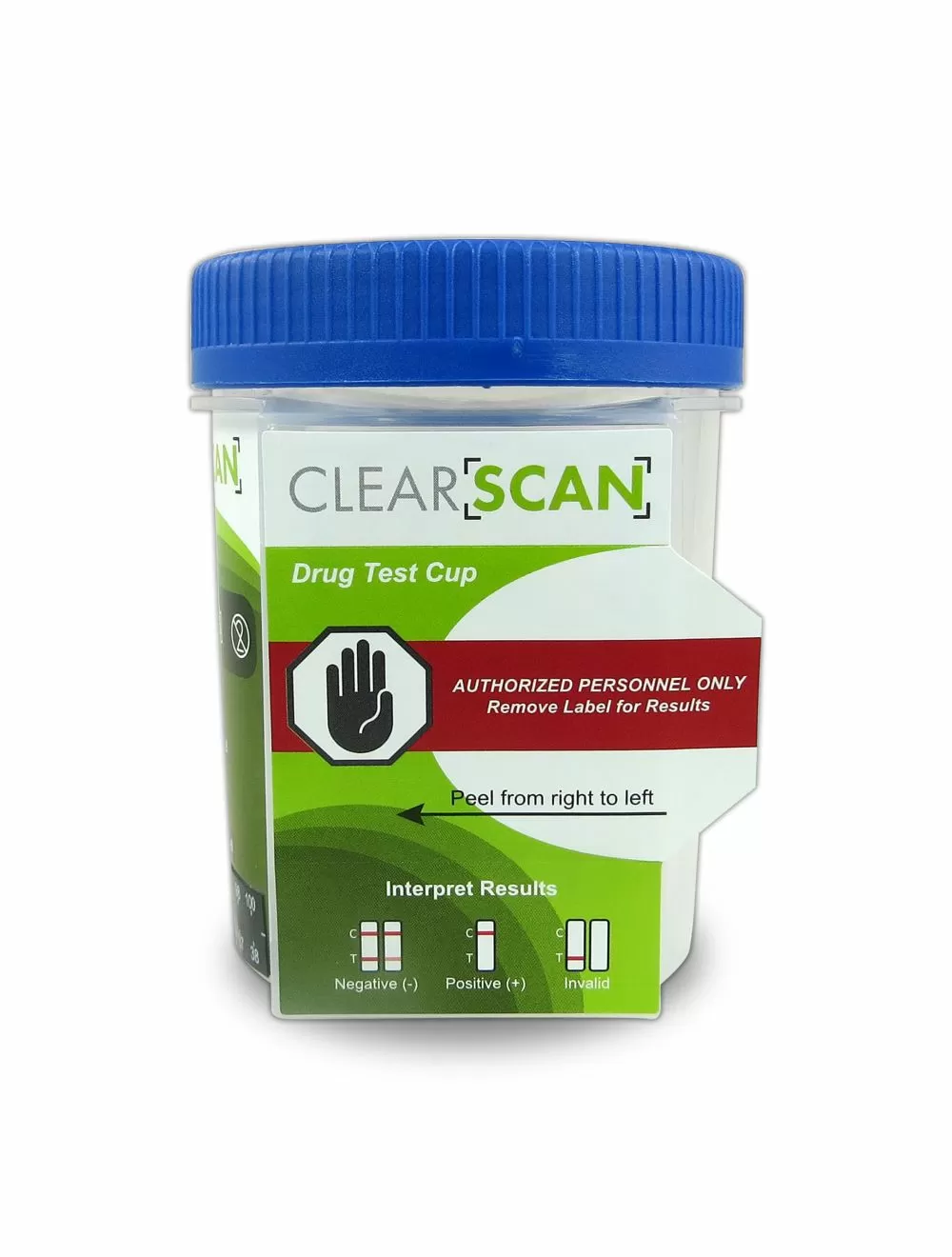
Detects: AMP, COC, mAMP, MOP, THC + OX, PH, SG
Ten Panel PreScreen Plus Cup (CLIA Waived)
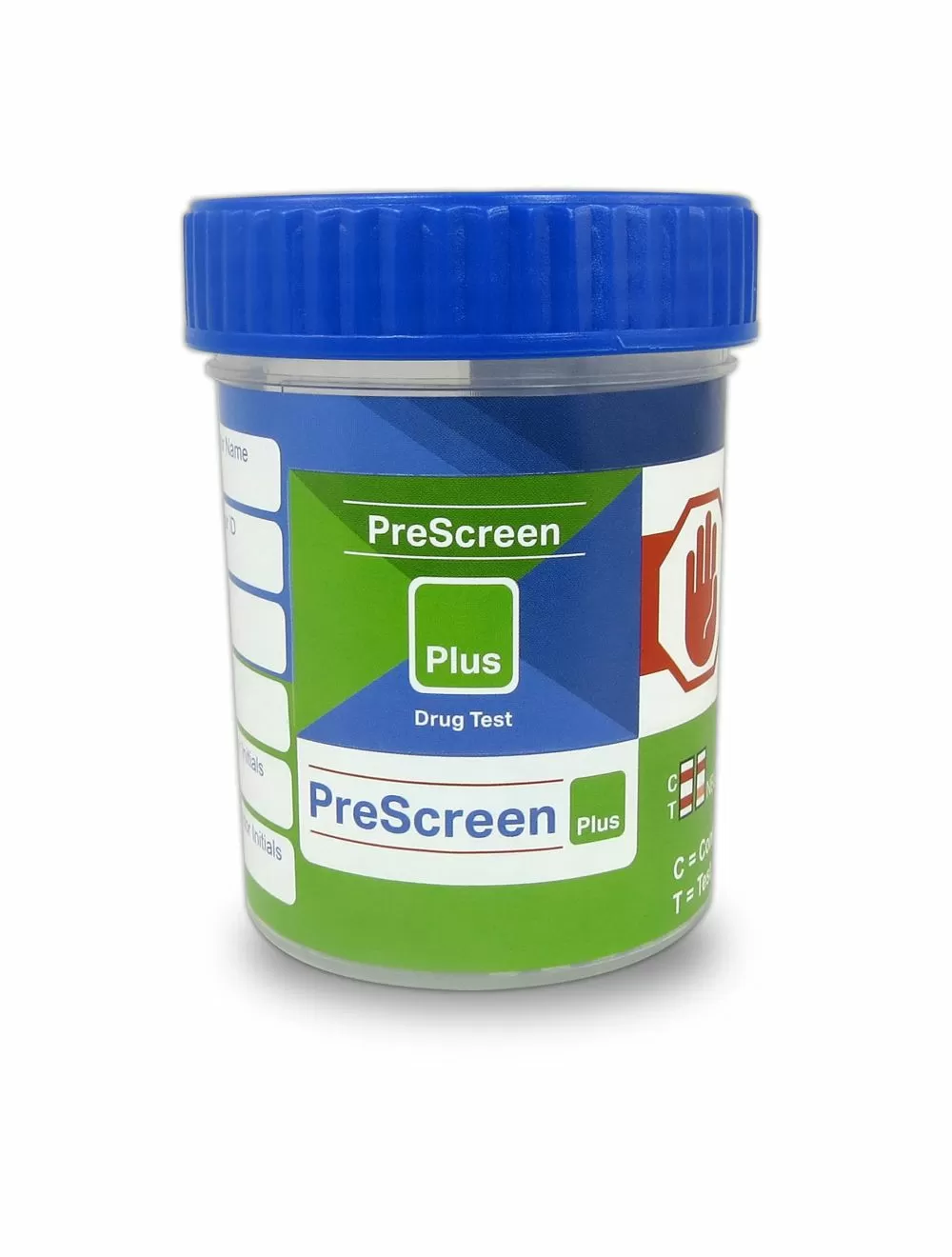
Detects: AMP, BAR, BZO, COC, MET, MDMA, MTD, OPI, PCP, THC
20 Panel Drug Test Cup w/ Adulterants (FUO)
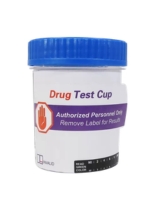
Detects: KRA, AMP, BAR, BUP, BZO, COC, ETG, FEN, K2, KET, MET, MDMA, MTD, OPI, OXY, PCP, THC, TRA
Buy in Bulk to Keep Workplace Testing Supplies Consistent
Purchasing testing supplies in bulk helps organizations maintain consistent screening programs. Whether you’re managing employee testing, clinical screening, or occupational health services, consider ordering from DrugTestsInBulk (DTIB).
DrugTestsInBulk helps organizations reduce testing costs, avoid supply shortages, and get the right drug testing devices without unnecessary delays. Customers can choose from a wide range of high-quality testing products, receive fast, free shipping on qualifying orders over $75, get training, and access affordable options for workplace, medical, staffing, educational, and other professional screening programs.
Urine Drug Test Color Chart FAQs
What do the colors on a urine drug test mean?
Colored lines indicate whether the testing device functioned properly and whether a particular substance screened negative at the established cutoff level. Two visible lines generally indicate a negative result, while specimen validity pads use color changes to assess sample quality.
How do you read a urine drug test cup?
Reading a urine drug test cup involves checking the control and test regions. Two lines indicate a negative result, one control line indicates a presumptive positive result, and no control line means the test is invalid.
What does COC mean on a drug test?
COC stands for Cocaine. It screens primarily for benzoylecgonine, the main metabolite the body produces after processing cocaine.
Does a faint line mean positive or negative?
A faint line is considered negative. Any visible line next to the Test (T) region, no matter how light, means the drug was not detected above the cutoff level.
What does no control line mean?
No control line (C) means the test is invalid. Discard the cup and repeat the test with a new kit.
Can urine color affect a drug test result?
Normal variations in urine color (pale to dark yellow) do not affect chemical drug test results. However, excessive hydration that results in completely clear or diluted urine may skew readings or flag the sample as “dilute,” often requiring retesting.
What is a T-cup drug test color chart?
A T-cup drug test color chart is a visual reference guide used to interpret specimen validity (adulteration) test pads and verify the urine sample’s temperature. It helps determine whether a urine sample is fresh, diluted, or tampered with before you read the drug test lines.
Are instant urine drug test results final?
No. Instant test cups only provide preliminary screening results. Any non-negative result requires certified laboratory confirmation, such as GC-MS or LC-MS/MS, before taking any final action.