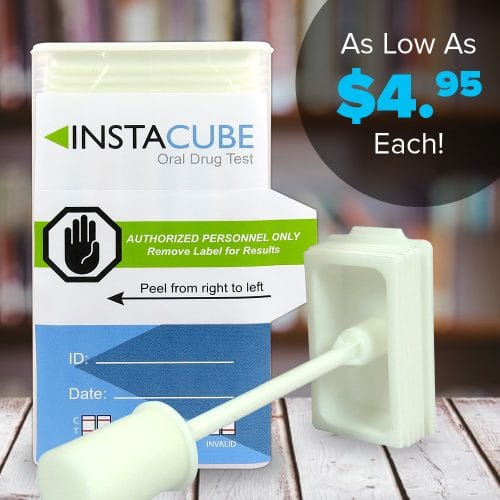
An amphetamine drug test is used to screen for amphetamine and related stimulants in workplace, clinical, legal, and other testing programs. Depending on the test and specimen type, screening may identify amphetamine, methamphetamine, or both. Understanding detection windows, cutoff levels, and how results are reported can help explain what an AMP or mAMP result means.
Quick Answer: An amphetamine drug test can detect amphetamine or methamphetamine. Detection is typically 1–3 days in urine, about 1 day in saliva, and up to 90 days in hair.
In This Guide
- What Is an Amphetamine Drug Test?
- AMP vs. mAMP: What Is the Difference?
- How Long Do Amphetamine and Methamphetamine Stay in Urine?
- What Does Adderall Show Up As on a Drug Test?
- Can Medications Cause a Positive AMP Drug Test?
- How Do You Read an AMP or mAMP Drug Test?
- Choosing an AMP or mAMP Drug Test for Workplace Screening
What Is an Amphetamine Drug Test?

An amphetamine drug test screens urine, blood, saliva, or hair for amphetamine-related substances, including prescription stimulants and illicit drugs. AMP screening is commonly included in 5- and 10-panel drug test kits used for workplace testing, medical monitoring, and other professional screening programs. An AMP drug screen typically uses an initial immunoassay, so a non-negative result is considered presumptive and may require laboratory confirmation before a final determination. These tests are widely used in employment screenings and workplace compliance programs.
AMP vs. mAMP: What Is the Difference?
| Feature | Amphetamine (AMP) | Methamphetamine (mAMP) |
| Panel Code | AMP | mAMP, MET, or another manufacturer-specific code |
| Common Sources | Prescription drugs such as Adderall, Dexedrine | Illicit crystal meth or speed (rarely Desoxyn) |
| Chemical Structure | Standard amphetamine core | Amphetamine core with an added methyl group |
| Standard Urine Cutoff | Varies by test; federal/DOT testing uses a 500 ng/mL initial cutoff and 250 ng/mL confirmatory cutoff | Varies by test; federal/DOT testing uses a 500 ng/mL initial cutoff and 250 ng/mL confirmatory cutoff |
| Urine Detection Window | 1 to 3 days | 2 to 6 days |
AMP (Amphetamine)
The AMP marker on a drug test screens for amphetamine and may detect prescription stimulants such as Adderall, Vyvanse, and Dexedrine, as well as illicit amphetamine use. An AMP drug test typically uses an initial immunoassay to identify amphetamine above the test’s cutoff level. Because an AMP drug screen cannot determine whether the detected substance came from a valid prescription or illicit use, a presumptive positive may require confirmatory testing and prescription verification.
mAMP (Methamphetamine)
mAMP is the marker used to screen specifically for methamphetamine, including illicit crystal meth and, in rare medical cases, the prescription drug Desoxyn. Because methamphetamine is partly metabolized to amphetamine, both AMP and mAMP may be detected after methamphetamine exposure. However, a positive mAMP or combined AMP and mAMP result does not, by itself, prove illicit methamphetamine use and should be evaluated based on the test method, confirmatory testing, medication history, and, when applicable, Medical Review Officer (MRO) review.
For organizations that need to screen for both markers, DrugTestsInBulk (DTIB) offers multi-panel drug test cups, dip cards, and saliva tests covering AMP, mAMP, or both:
Twelve Panel Insight Drug Test Cup Low Cutoff With Adulterants (CLIA Waived)
Detects: AMP, BAR, BUP, BZO, COC, mAMP, MDMA, MTD, MOP, OXY, PCP, THC + OX, PH, SG
Twelve Panel Clear Scan Drug Test Cup With Adulterants (CLIA Waived)
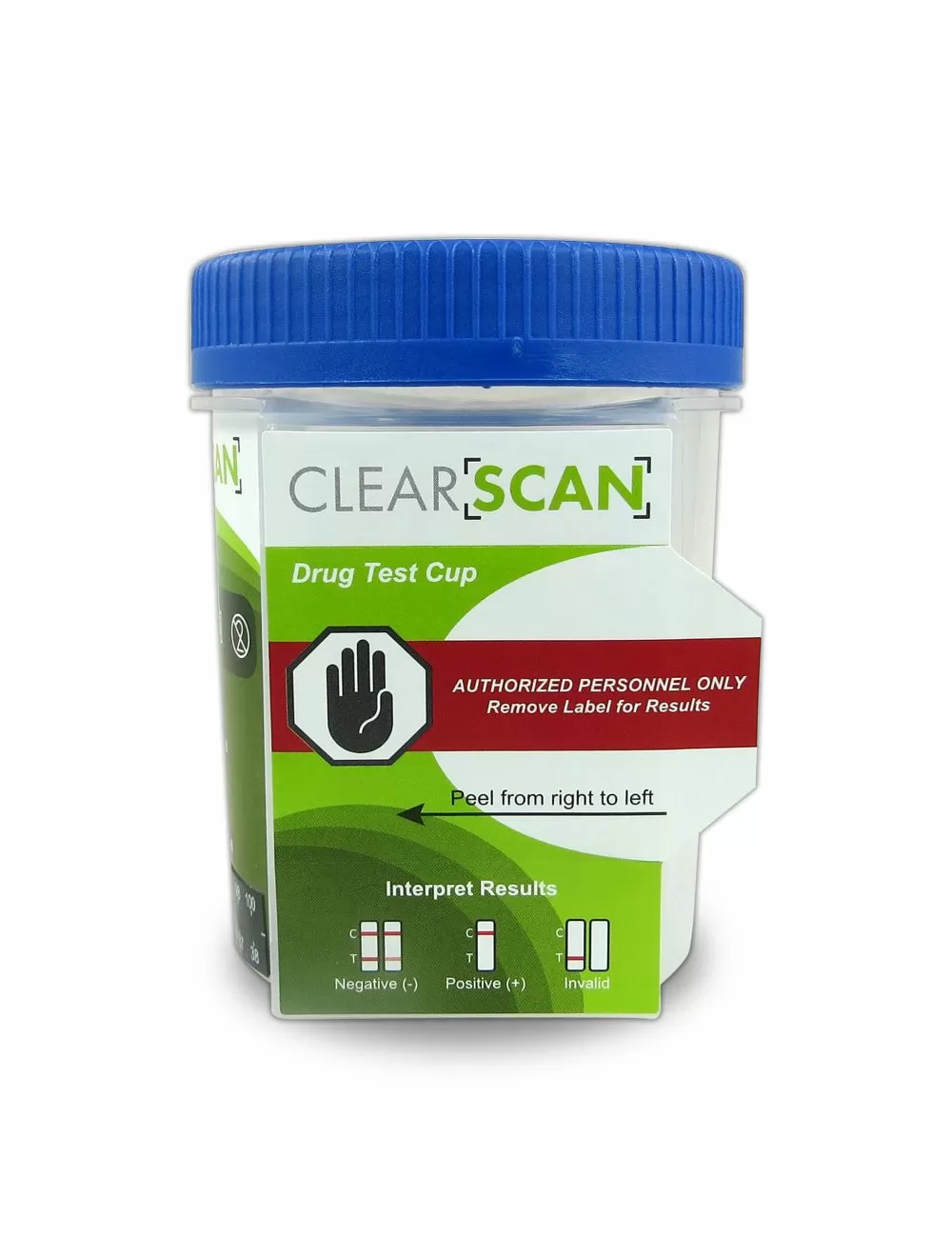
Detects: AMP, BAR, BUP, BZO, COC, mAMP, MDMA, MTD, MOP, OXY, PCP, THC + OX, PH, SG

How Long Do Amphetamine and Methamphetamine Stay in Urine?
Detection windows differ between the two drug classes because of how each one is metabolized.
Amphetamine and Adderall Detection Times
For prescription amphetamines like Adderall, Dexedrine, or Vyvanse, and illicit speed, a standard urine screen generally detects the drug for 1 to 3 days following the last dose. The exact window depends on the dosage and the frequency of use.
- Single use: 1 to 3 days
- Moderate to heavy use: Detection may extend beyond the typical few-day window
RELATED: Adderall Drug Test: Does Adderall Show Up on a Drug Screen & How Long Is It Detectable?
Methamphetamine Detection Times
Methamphetamine is metabolized partly to amphetamine, so both compounds may be present in urine after methamphetamine exposure. Detection time varies with dose, frequency of use, assay cutoff, urine pH, and individual metabolism.
- Single use: 2 to 4 days
- Heavy or chronic use: May remain detectable longer than the typical window
What Affects Detection Time?
Several variables influence exactly how quickly your body clears amphetamines:
- Dosage and frequency: Higher doses and more frequent use lead to longer buildup and elimination times.
- Metabolism: An individual’s basal metabolic rate, age, and overall liver and kidney health determine how fast the drug is broken down and excreted.
- Urine pH: Acidic urine increases excretion, while alkaline urine slows clearance and keeps the drug in your system longer.
- Hydration: Extreme hydration can dilute a urine sample, but attempts to “flush” the system generally do not reliably shorten true detection windows.
What Does Adderall Show Up As on a Drug Test?
Adderall is one of the most commonly prescribed ADHD medications, and it frequently raises questions during pre-employment screening or an Adderall urine test.
Does Adderall Show Up as AMP or mAMP?
Adderall primarily metabolizes into amphetamine, so it typically produces a positive AMP result rather than indicating methamphetamine use. Because immunoassays are screening methods and some assays can cross-react with other compounds, an unexpected methamphetamine finding should be evaluated with a specific confirmatory test and, when applicable, a review of medication history and MRO.
How Long Is Adderall Detectable in Urine?
Because Adderall is an amphetamine, it generally follows the same detection window as other amphetamines and is typically detectable in urine for about 1 to 3 days after the last dose. Frequent or heavy use may extend that window:
- Therapeutic use: 1–4 days
- Heavy or chronic use: up to 5–7 days
- Single low dose: about 24–48 hours
Can Medications Cause a Positive AMP Drug Test?

Yes, certain prescription and over-the-counter (OTC) medications can produce a false positive drug test on an initial screen because immunoassay technology sometimes reacts to chemically similar molecules. Cross-reactivity varies by assay, so these substances do not cause false positives on every test. Substances reported to trigger presumptive positives with some assays include:
- Antidepressants like bupropion (Wellbutrin), trazodone, and certain tricyclics
- Some medications or compounds may cross-react depending on the specific immunoassay
- Decongestants and cold remedies, including pseudoephedrine and, with some assays, other sympathomimetic compounds
- Some antihistamines and sleep-aid ingredients
An unexpected positive result should be evaluated using the applicable confirmatory laboratory procedure. In regulated workplace testing, the result may also be subject to Medical Review Officer (MRO) review.
How Do You Read an AMP or mAMP Drug Test?
Most rapid drug tests deliver readable results within about 5 minutes. Always follow the specific manufacturer’s stated reading time and do not interpret the result outside that window.
- Negative: Two colored lines appear, one at the Control (C) region and one at the Test (T) region. Even a faint Test line should be read as negative.
- Presumptive positive: Only one line appears at the Control (C) region, with no line at the Test (T) region.
- Invalid: No line appears in the Control (C) region at all. The test is void and must be repeated with a new device.
Always send a presumptive positive result for laboratory confirmation, such as GC-MS or LC-MS/MS, when confirmation is required.
Choosing an AMP or mAMP Drug Test for Workplace Screening
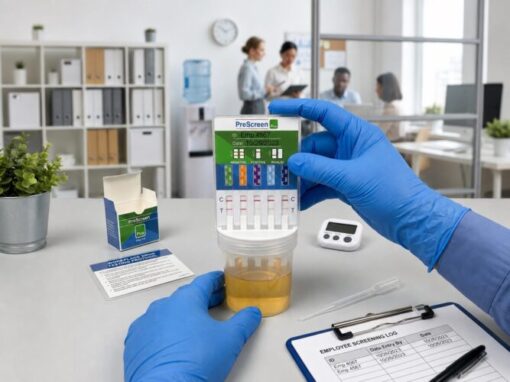
Selecting the right amphetamine drug test for a workplace program depends on how quickly results are needed, whether lab confirmation is required, and how many drug classes need coverage in a single panel. Single-panel AMP tests work well for targeted screening, while multi-panel tests suit broader pre-employment or random testing programs.
DrugTestsInBulk (DTIB) offers a range of CLIA-waived AMP and mAMP drug tests across multiple panel configurations and collection types, including cups, dip cards, and saliva tests, so organizations can choose the format that fits their testing program. With bulk pricing, fast shipping, and a focus on reliable, accurate results, DTIB helps businesses maintain consistent testing without supply delays. Organizations conducting regular testing can also add specimen collection containers, adulterant strips, and gloves and masks to support hygienic specimen collection.
Choosing the right combination of drug tests and collection supplies can help businesses maintain an efficient and consistent workplace testing program.
Amphetamine Drug Test FAQs
How Long Does Sudafed Show Up on a Drug Test?
Pseudoephedrine, the active ingredient in Sudafed, can remain detectable in urine for up to about 5 days and is a known cause of false-positive amp drug screen results, which is why confirmatory testing matters.
What Is AMP on a Drug Test?
AMP is the abbreviation for amphetamine, the marker used on drug test panels to flag amphetamine-class stimulants such as Adderall, Dexedrine, and illicit amphetamines.
How Long Does Meth Stay in Urine?
Methamphetamine is commonly detectable in urine for approximately 2 to 4 days, though heavy or chronic use can extend that window.
Is AMP the Same as Meth?
No. Amphetamine is the broader drug class, while methamphetamine is one specific, more potent member of it. Standard panels usually separate AMP from MET on drug test results, though heavy meth use can produce enough amphetamine metabolite to trigger both lines at once.