PCR vs. antigen test comparisons come down to accuracy, speed, and cost. This guide explains how each test works and which option may suit workplace respiratory screening better.
Quick Answer: PCR tests are best for accuracy and early detection, while antigen tests are better for rapid, cost-effective, and frequent on-site screening of contagious individuals.
In This Guide
- PCR vs. Antigen Test: What’s the Difference?
- Is PCR or Antigen Testing More Accurate?
- PCR vs. Rapid Test: What’s the Difference?
- PCR vs. Antigen Testing for Flu and COVID-19
- Can One Test Detect Both Flu and COVID-19?
- How Should Workplaces Choose a Respiratory Test?
PCR vs. Antigen Test: What’s the Difference?
| Feature | PCR (Molecular) Test | Antigen (Rapid) Test |
| What it detects | Genetic material (DNA or RNA) from the virus | Proteins (i.e., infectious disease antigens) from the virus |
| Accuracy | Very high sensitivity | Lower sensitivity |
| Speed | 24 hours to a few days | About 15-30 minutes |
| Cost | Generally more expensive | Generally inexpensive and accessible |
| Best Workplace Use | Confirming suspected cases after a positive rapid test | Mass, routine screening for quick isolation |
How Does a PCR Test Work?
A Polymerase Chain Reaction (PCR) test detects the virus’s genetic material. A nasal or throat swab sample is processed using specialized chemicals and temperature cycles that amplify small amounts of viral RNA or DNA so they can be detected.
Because molecular testing amplifies the genetic material, it can detect lower levels of viral material than many antigen tests. This generally gives PCR and other molecular tests higher sensitivity, although performance can vary by assay, specimen, collection method, and timing.
How Does an Antigen Test Work?
An antigen test is a rapid diagnostic test that looks for specific structural proteins from the virus rather than its genetic code. The sample is mixed with a liquid solution and applied to a testing strip containing specific antibodies.
If the viral proteins are present in sufficient amounts, they bind to these antibodies and produce a visible line on the device. Because the sample is not amplified, antigen tests generally require higher levels of viral material to produce a positive result.
Rapid antigen tests can be useful for workplaces that need quick results and convenient screening, particularly when testing may need to be repeated.
For organizations that need antigen tests in larger quantities, DrugTestsInBulk is a reputable supplier of high-quality rapid antigen tests for workplace, healthcare, and other professional screening programs.
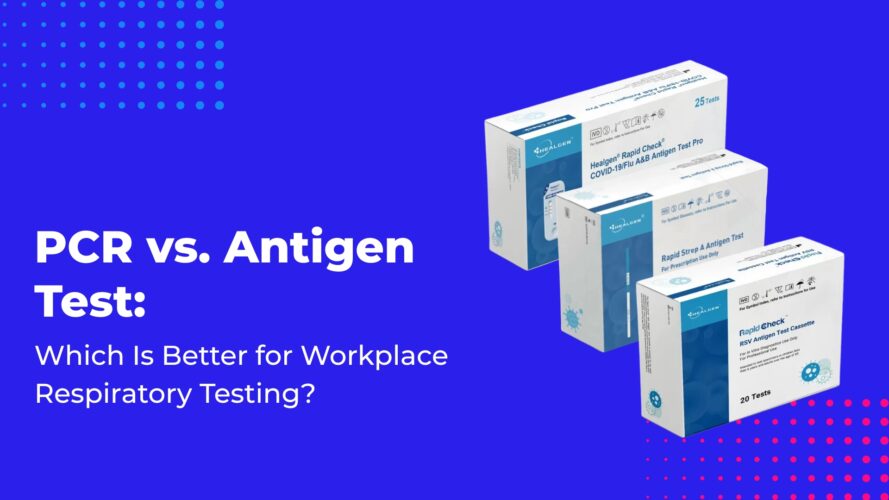
Rapid Check™ RSV Antigen Test – 20/kit | CLIA Waived
Nasal aspirate specimen
510(k) Cleared / CLIA Waived
Fast Results (under 15 min)
Made in USA
Healgen Rapid Strep A Test Kit – 25/Kit (CLIA Waived)
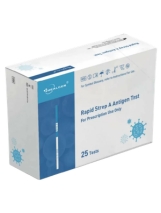
Throat swab specimen
CLIA Waived
Results in 5 minutes
Detects Group A Streptococcal antigens
Healgen Rapid COVID-19 / Flu A&B Antigen Test Cassette (Swab)
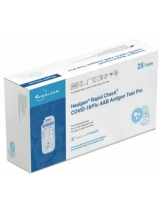
3-in-1 COVID-19 and flu test
510(k) Cleared
Rapid results within 15 minutes
Detects SARS-CoV-2, Influenza A & B
Is PCR or Antigen Testing More Accurate?

PCR testing is significantly more accurate than antigen testing due to how it processes samples. Because a PCR test amplifies viral RNA millions of times, it features near-perfect clinical sensitivity. This means it rarely produces false negatives, even if an employee is asymptomatic or has a very low viral load.
Antigen tests are less sensitive because they require a much higher viral load to trigger a positive result. While they are highly accurate when an employee is at peak infectivity, they are much more likely to miss early or late-stage infections.
For employers, PCR testing is generally more accurate for detecting infection, while antigen testing may be better suited for rapid screening as part of an infectious control plan when fast results matter more than maximum sensitivity.
PCR vs. Rapid Test: What’s the Difference?
A PCR vs. rapid test comparison mostly comes down to the distinction between testing method and turnaround time. “Rapid” describes how quickly a test produces results, while “PCR” describes the testing method.
How Long Does a PCR Test Take?
Standard laboratory PCR tests can take hours to days, depending on the laboratory, test, transportation, and reporting process. A typical workplace testing timeline may include:
- Sample collection: A few minutes per employee
- Transit time: Depends on the collection site and laboratory location
- Laboratory processing: Varies by laboratory and test
- Result reporting: Depends on the laboratory’s reporting system
What Is a Rapid PCR Test?
A rapid PCR test, often called a point-of-care molecular test, uses molecular technology to detect viral genetic material and provide results faster than conventional laboratory testing. Some systems can produce results in less than an hour, although turnaround time varies by platform.
Rapid molecular testing can help workplaces get faster results while maintaining the higher sensitivity generally associated with molecular testing.
PCR vs. Antigen Testing for Flu and COVID-19
PCR and antigen tests can both detect respiratory infections such as flu and COVID-19, but their accuracy, speed, and best use cases differ.
PCR vs. Antigen Testing for Flu
Influenza can spread quickly in an office, and early detection helps organizations respond appropriately.
- PCR (flu): Detects influenza genetic material with high sensitivity. Laboratory molecular testing may take longer than rapid antigen testing, while some rapid molecular tests can provide results much sooner.
- Antigen (flu): Detects influenza viral proteins and can deliver results in about 15 to 30 minutes, depending on the test. Antigen tests generally have lower sensitivity than molecular tests and may miss some infections, particularly when viral levels are low.
Antigen vs. PCR COVID Tests
In antigen vs. PCR COVID tests, both methods can detect SARS-CoV-2, but they differ in sensitivity, speed, and practical use.
- PCR (COVID-19): Detects SARS-CoV-2 genetic material with high sensitivity. Laboratory PCR testing may take longer to return results, although some rapid molecular tests can provide results much sooner.
- Antigen (COVID-19): Detects SARS-CoV-2 proteins and can provide results quickly, making it convenient for repeated or on-site screening. However, antigen tests generally have lower sensitivity than molecular tests and may miss some infections, particularly when viral levels are low.
A negative antigen result does not always rule out COVID-19. When symptoms, exposure, or other circumstances remain concerning, additional testing may be appropriate based on the specific test and applicable guidance.
Can One Test Detect Both Flu and COVID-19?
Yes. Combination respiratory tests can detect more than one pathogen from a single specimen, including influenza A, influenza B, and SARS-CoV-2. Depending on the product, these may use antigen detection or molecular technology.
For workplaces looking for a combination option, DrugTestsInBulk (DTIB) offers the Healgen Rapid COVID-19 / Flu A&B Antigen Test Cassette (Swab), which tests for COVID-19 and influenza A and B from one specimen.
Combination testing can simplify workplace respiratory screening when multiple illnesses may cause similar symptoms. Workplaces may also consider infectious disease tests when evaluating screening options for different communicable illnesses. However, employers should confirm which pathogens a specific product detects, its intended use, regulatory status, specimen requirements, and manufacturer instructions before purchasing or implementing it.
How Should Workplaces Choose a Respiratory Test?

No single test is universally best in the antigen vs. PCR debate. The right test depends on what the workplace needs it to accomplish.
Consider an antigen test when:
- You need results quickly during a shift or before work.
- The organization wants a practical option for repeated screening.
- Ease of administration and cost are important considerations.
- The organization has a clear process for handling negative results when symptoms or exposure remain concerning.
Consider molecular or PCR testing when:
- Higher sensitivity is a priority.
- A result is needed to support a more sensitive clinical assessment.
- The workplace is responding to a suspected respiratory outbreak.
- A rapid molecular platform can provide the desired sensitivity without the delay of conventional laboratory testing.
Employers should also review the intended use, specimen type, storage requirements, authorization or clearance, and manufacturer instructions for the specific test they purchase. Testing policies should also account for applicable workplace, public health, and occupational-health requirements.
Where Can Workplaces Buy Rapid Respiratory Test Kits in Bulk?
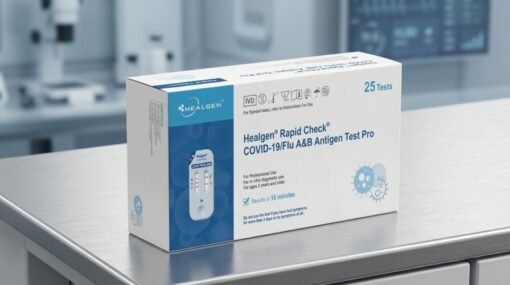
Workplaces looking for convenient respiratory screening supplies can source rapid testing options in bulk from DrugTestsInBulk, depending on current product availability and intended use. Bulk purchasing can help organizations maintain a ready supply for workplace screening, seasonal respiratory illness planning, or employee health programs.
Before ordering, employers should confirm the test’s intended setting, target pathogens, regulatory status, specimen requirements, and manufacturer instructions to ensure the product fits their testing protocol.
PCR vs. Antigen Test FAQs
Is PCR or antigen testing better?
Neither is better in every case. PCR is generally better when higher sensitivity is the priority, while antigen tests are better for fast, affordable, repeat screening when immediate results matter. The appropriate choice depends on the workplace’s testing goals, the specific product, and applicable testing guidance.
Is a rapid test the same as an antigen test?
Not exactly. An antigen test is one type of rapid test, but rapid molecular tests also exist. In a rapid vs PCR test discussion, “rapid” describes the speed of the test, while “antigen” and “PCR” describe the testing technology and what the test detects.
What is a flu and COVID combination test?
A flu and COVID combination test checks for SARS-CoV-2, Influenza A, and Influenza B from one specimen, and some combination tests also detect RSV. It may be available as a rapid antigen combination test or a multiplex molecular panel, depending on the product.