Flu A vs. Flu B is an important distinction during flu season because both viruses cause influenza but differ in classification, circulation patterns, and pandemic potential. Understanding these differences helps healthcare providers identify infections, assess risk, and choose appropriate testing methods.
Quick Answer: Influenza A and Influenza B are contagious respiratory viruses that cause similar flu symptoms, including fever, chills, cough, and body aches. However, Influenza A can infect humans and some animals and is the only influenza type known to cause pandemics, while Influenza B primarily infects humans and causes seasonal epidemics.
In this Guide
- What Is the Difference Between Flu A and Flu B?
- Flu A vs. Flu B Symptoms: Are They Different?
- Is Flu A or Flu B Worse?
- How Are Flu A and Flu B Diagnosed?
- Do Flu A and Flu B Require Different Treatments?
- Flu Testing Supplies for Healthcare Facilities
What Is the Difference Between Flu A and Flu B?
What Is Influenza A? |
What Is Influenza B? |
| Influenza A is the most common type of seasonal flu and the primary driver of major outbreaks. | Influenza B evolves more slowly than Influenza A and does not cause pandemics |
| Seasonal circulation (USA): Fall / Early/Winter | Seasonal circulation (USA): Winter / Spring |
| Classification: Divided into subtypes based on H and N proteins | Classification: Divided into lineages (ex B/Victoria) |
| Symptoms: High fever, body aches, cough, fatigue, headache | Symptoms: High fever, body aches, cough, fatigue, GI upset in kids |
Flu A vs. Flu B Symptoms: Are They Different?
When comparing flu A vs. flu B symptoms, the two infections are remarkably similar. Both cause a sudden onset of respiratory and full-body symptoms, so you cannot reliably tell whether you have influenza A vs. B based on how you feel. Severity depends more on age, underlying health, and vaccination than on the virus type. Nausea, vomiting, or diarrhea are more common in children with either type.
Common Symptoms of Influenza A and B

Both strains trigger a similar set of systemic and respiratory signs:
- Fever and chills, although not every person develops a fever
- Body aches and muscle pain
- Extreme fatigue and weakness
- Dry or persistent cough
- Sore throat
- Headache
- Runny or stuffy nose
- Nausea, vomiting, or diarrhea, which may be more common in children
Because Flu A, Flu B, and COVID-19 symptoms overlap significantly, testing can help identify the infection responsible. Rapid combination antigen tests can screen for multiple respiratory viruses.
Is Flu A or Flu B Worse?
Flu A and Flu B severity depends on age, health status, and vaccination. Because they share nearly identical symptoms, you cannot tell them apart without a test
- Influenza A: Mutates rapidly, infects both humans and animals, and is the only type known to cause pandemics. It generally causes more severe illness in adults.
- Influenza B: Spreads primarily among humans and often causes localized outbreaks, particularly in children and schools.
Ultimately, neither is universally “worse”; flu A vs. flu B symptoms feel just as miserable, and the best protection against both remains an annual flu vaccine.
How Are Flu A and Flu B Diagnosed?
Healthcare providers diagnose Flu A and Flu B using a respiratory sample, commonly collected through a nasal, nasopharyngeal, or throat swab. Testing confirms influenza, identifies the virus type, and guides decisions on antiviral treatment and workplace protocols, such as an infectious control plan.
Rapid Flu A and B Tests
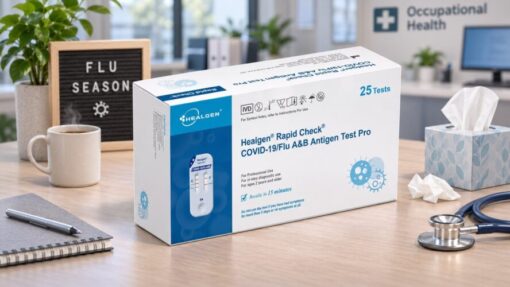
Rapid influenza diagnostic tests (RIDTs) detect influenza antigens in respiratory specimens and can tell Flu A from Flu B. These infectious disease antigen tests are fast and convenient for clinics, urgent care centers, and point-of-care settings.
Results usually come in 10 to 15 minutes, but moderate sensitivity means false negatives can occur. A negative result does not rule out influenza, so providers often confirm with molecular testing.
Even so, rapid tests remain a practical first step for screening. DrugTestsInBulk (DTIB) supplies them in bulk, and facilities can explore more infectious disease tests to meet their respiratory testing needs. One option is the Healgen COVID-19 / Flu A&B cassette, which detects all three viruses from a single swab:
Healgen Rapid COVID-19 / Flu A&B Antigen Test Cassette (Swab)
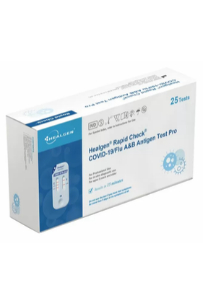
- 3-in-1 COVID-19 and flu test
- 510(k) Cleared
- Rapid results within 15 minutes
- Detects SARS-CoV-2, Influenza A & B
PCR and Molecular Flu Tests
PCR and molecular tests, including RT-PCR and rapid molecular assays, detect viral genetic material. They offer higher sensitivity and specificity than rapid antigen tests when evaluating Flu A and Flu B.
Many molecular assays use multiplex panels to simultaneously check for other respiratory viruses, such as SARS-CoV-2 (the virus that causes COVID-19). Rapid molecular assays deliver results in 15 to 30 minutes, while standard lab-based RT-PCR tests take longer depending on the platform.
Do Flu A and Flu B Require Different Treatments?
No, Flu A and Flu B generally do not require different treatments. Even though there is a biological difference between Flu A and B, doctors manage both types with the same core approaches:
- Supportive Care: Most people with mild cases of either Flu A or Flu B recover at home. Treatment focuses on rest, drinking plenty of fluids, and taking over-the-counter medications (such as acetaminophen or ibuprofen) to manage fever and body aches.
- Antiviral Medications: Prescription antivirals (such as oseltamivir/Tamiflu) work best when started within 48 hours of symptom onset. They shorten the illness duration and lower the risk of severe complications, whether you have Flu A or Flu B.
Flu Testing Supplies for Healthcare Facilities
Healthcare facilities, occupational health clinics, and organizations managing respiratory illness screening may need reliable access to rapid influenza testing supplies.
If you’re looking for a reliable supplier of workplace safety and compliance testing products, DrugTestsInBulk (Drug Tests In Bulk) supplies testing solutions for businesses, healthcare facilities, occupational health clinics, and organizations that need dependable products to support workplace health, safety, and compliance programs.
Its product offerings include rapid Flu A and Flu B test kits to support influenza screening and respiratory illness management in professional settings. DrugTestsInBulk focuses on affordable bulk purchasing, competitive pricing, and free shipping on qualifying orders within the continental U.S., helping organizations maintain consistent access to essential testing supplies.
For organizations seeking cost-effective health screening and workplace compliance solutions, DrugTestsInBulk.com is a practical supplier to consider.
Frequently Asked Questions About Flu A vs. Flu B
Can You Have Flu A and Flu B at the Same Time?
Yes, you can be infected with Flu A and Flu B at the same time, though it is uncommon. You can also catch one type right after the other because antibodies against one strain do not protect you from the second.
Does the Flu Vaccine Protect Against Both A and B?
Yes, the seasonal flu vaccine protects against Influenza A subtypes such as H1N1 and H3N2, and Influenza B lineages such as B/Victoria. It does not always prevent infection completely, but it greatly lowers the risk of severe illness, hospitalization, and complications.
Can You Get Flu A After Having Flu B?
Yes, recovering from Flu B does not protect you from catching Flu A during the same season. Because Influenza A and Influenza B are distinct viruses, antibodies built against one type do not recognize the other.
How Long Do Flu A and Flu B Last?
For both Flu A and Flu B, the acute fever and intense symptoms typically resolve within 3 to 5 days. Lingering symptoms such as a dry cough, weakness, and fatigue can persist for 1 to 2 weeks. Antivirals like Tamiflu can shorten the illness by 24 to 48 hours if started within the first 48 hours of symptom onset.