A DOT pre-employment drug test is a federally required 5-panel urine screen that transportation employers must administer before any new hire or transferring employee performs safety-sensitive work. Employers must hold a verified negative result, complete a Clearinghouse query, and follow the procedures in 49 CFR Part 40 before duties begin.
What Is a DOT Pre-Employment Drug Test?
A DOT pre-employment drug test is a federally mandated, 5-panel urine screening required before an applicant can perform safety-sensitive duties in the transportation industry. It confirms candidates are free from illicit substances and ensures employers follow the rules outlined in 49 CFR Part 40.
In This Guide
- What Is a DOT Pre-Employment Drug Test?
- DOT Drug Test Requirements Employers Must Follow
- DOT Pre-Employment Drug Test Time Frame
- Four Common DOT Drug Testing Options
- DOT Pre-Employment Drug Test Price and Program Costs
- What Happens After a Failed Pre-Employment DOT Drug Test?
- Choosing the Right Drug Testing Program for Your Workforce
- Building a Compliant DOT Pre-Employment Drug Testing Program
Who Must Complete a Department of Transportation Drug Test?
Any employee or applicant who performs safety-sensitive functions in industries regulated by the U.S. Department of Transportation (DOT) must undergo testing. This applies across several federal agencies.
- Federal Motor Carrier Safety Administration (FMCSA): CDL holders operating commercial motor vehicles that require a CDL under FMCSA regulations
- Federal Aviation Administration (FAA): Flight crews, air traffic controllers, and aviation mechanics
- Federal Railroad Administration (FRA): Locomotive engineers, conductors, and dispatchers.
- Federal Transit Administration (FTA): Bus, subway, and light rail operators.
- Pipeline and Hazardous Materials Safety Administration (PHMSA): Pipeline operators and maintenance personnel.
- United States Coast Guard (USCG): Crew members on commercial vessels.
When Is a DOT Pre-Employment Drug Test Required?
A DOT pre-employment drug test must be completed before a candidate performs their first safety-sensitive duty. This requirement applies across three specific situations:
- New Hires: Applicants who have received a contingent job offer
- Existing Employees: Staff transferring into a safety-sensitive role from a non-regulated position
- Returning Drivers: Drivers who have been out of the DOT testing pool for more than 30 days
What Does a DOT Pre-Employment Drug Test Look For?
The standard DOT drug test is a 5-panel urinalysis that screens for specific drug metabolites. The five federally tested substances are:
- Marijuana metabolites (THC)
- Cocaine (COC)
- Opioids (Codeine, Morphine, Heroin, Oxycodone, Oxymorphone, Hydrocodone, Hydromorphone)
- Amphetamines and Methamphetamines (including MDMA/Ecstasy)
- Phencyclidine (PCP)
DOT Drug Test Requirements Employers Must Follow
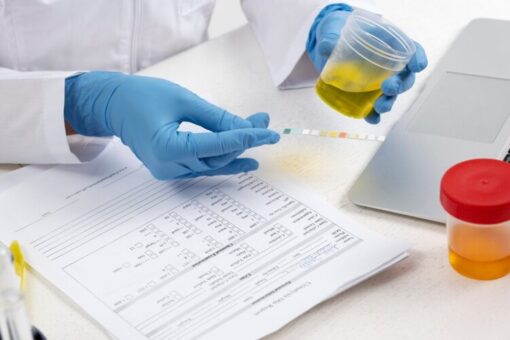
DOT drug test requirements mandate uniform testing procedures for all employers operating in regulated transportation sectors. Employers must obtain a verified negative result and complete all required Clearinghouse verifications before any safety-sensitive work can begin.
DOT Pre-Employment Drug Test Requirements Under 49 CFR Part 40
49 CFR Part 40 establishes the operational backbone of all DOT workplace drug and alcohol testing programs. Every regulated employer must adhere to the following core obligations:
- All specimens must be analyzed at an HHS-certified laboratory
- A qualified Medical Review Officer (MRO) must evaluate and report every result
- Testing must cover exactly five drug categories: Marijuana, Cocaine, Opioids, Amphetamines/Methamphetamines, and PCP
Negative Result Requirement Before Employment
A conditional offer can be extended before testing, but no physical safety-sensitive work may begin until the employer has a verified negative result. Employers are also required to maintain confidential records of all verified negative results for the duration specified under applicable DOT agency rules.
DOT Clearinghouse Verification Requirements
For FMCSA-regulated employers, querying the FMCSA Drug and Alcohol Clearinghouse before a new driver starts is non-negotiable. Two key obligations apply:
- A full pre-employment query must be run to confirm the driver is not disqualified due to a prior violation or an incomplete Return-to-Duty process
- Written or electronic driver consent must be secured before any Clearinghouse query is initiated
DOT Pre-Employment Drug Test Time Frame
While DOT regulations do not specify a hard expiration date for a negative result, industry practice and FMCSA guidance establish a clear standard that employers should follow.
- The 30-Day Rule: Do not schedule a DOT pre-employment drug test more than 30 days before the applicant’s anticipated first day of safety-sensitive duty.
- Delayed Start Dates: If a candidate’s start date extends beyond the 30-day window, they will have been outside an active DOT random testing pool for over a month. In that scenario, employers should order a fresh screening and receive a new verified negative result before allowing the employee to begin work.
Four Common DOT Drug Testing Options
Not all drug tests are equal under federal regulations. Only one method currently satisfies DOT pre-employment requirements for most regulated employers.
| Testing Method | Detection Window | Best For | DOT Accepted? |
| Laboratory Urine Drug Test | Several days | DOT-regulated and workplace testing | Yes |
| Rapid Urine Drug Test Cup | Several days | Fast workplace screening | No |
| Oral Fluid Drug Test | 24-48 hours | Recent drug use detection | No* |
| Hair Follicle Drug Test | Up to 90 days | Long-term drug use history | No |
*DOT oral fluid testing regulations have been approved, but implementation remains limited due to laboratory certification requirements. Employers should verify current DOT guidance before using oral fluid testing for regulated programs.
Laboratory Urine Drug Testing

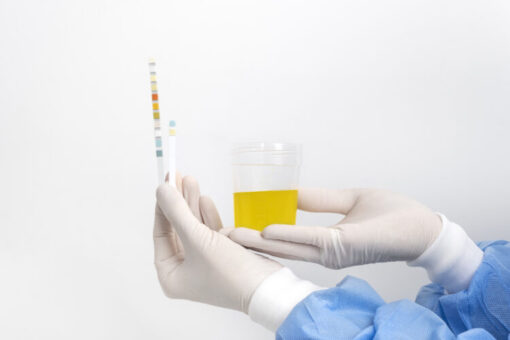
Laboratory urine testing is the standard method used for DOT pre-employment drug testing. Samples are collected at an authorized facility under a strict chain-of-custody process and split into two specimens, allowing retesting if needed. All results are reviewed by a Medical Review Officer (MRO) before being reported to the employer.
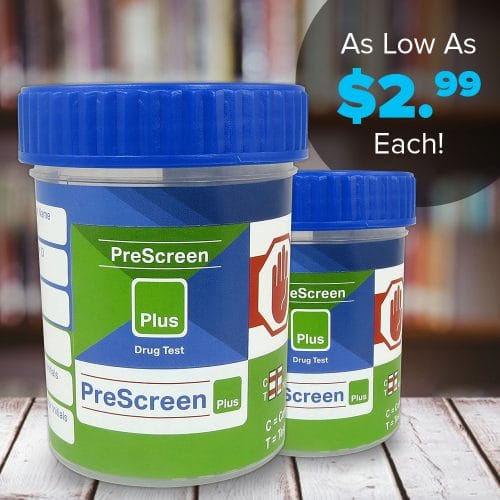
Rapid Urine Drug Test Cups for Non-DOT Screening Programs
Rapid urine drug tests provide results within minutes and are commonly used for non-DOT workplace screening programs. However, they do not meet DOT requirements because federal regulations require all DOT drug tests to be processed by certified laboratories.
For non-DOT company policies, preliminary screenings, or internal random checks, rapid test cups are a cost-effective solution. DrugTestsInBulk offers a broad selection of bulk rapid urine drug test cups ideal for high-volume non-DOT programs, helping employers manage costs without sacrificing accuracy.
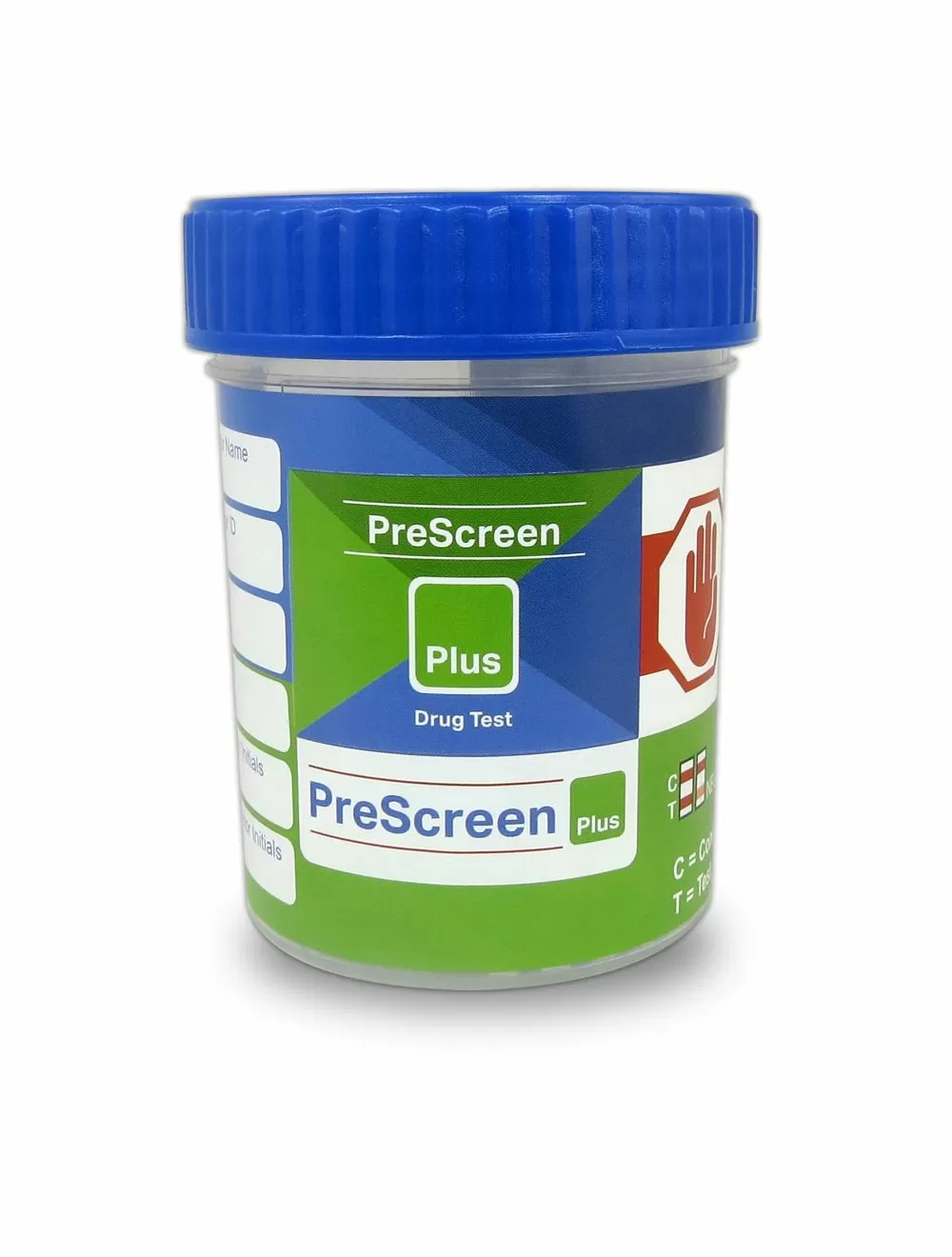

Ten Panel Insight Drug Test Cup (CLIA Waived)
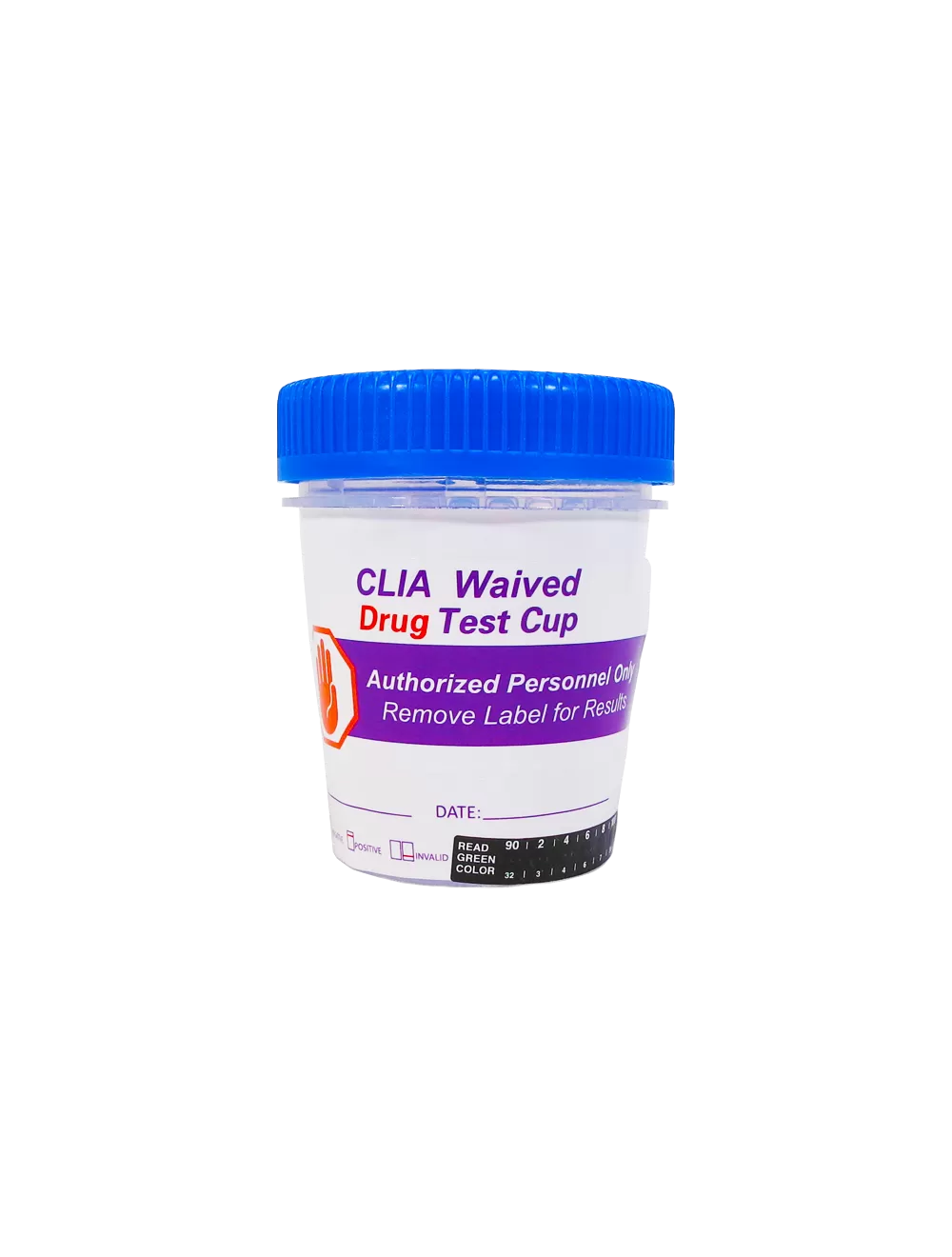
Detects: AMP, BAR, BZO, COC, MET, MTD, OPI, OXY, PCP, THC
Oral Fluid Drug Testing
DOT now permits oral fluid testing as an alternative to urine testing for regulated drug testing programs. The method uses a saliva sample, offers a less invasive collection process, and supports direct observation. Employers should confirm that their collection sites and laboratories can perform DOT-compliant oral fluid testing before implementation.
Employers considering oral fluid drug testing kits can explore available options from DrugTestsInBulk for non-DOT workplace programs. With bulk pricing, fast shipping, and years of industry experience, DrugTestsInBulk helps organizations implement efficient and reliable drug testing programs. Backed by more than 15 years of industry experience, DTIB offers bulk pricing, fast delivery, employer education resources, and knowledgeable customer support, making it a trusted source for organizations managing workplace drug testing programs.
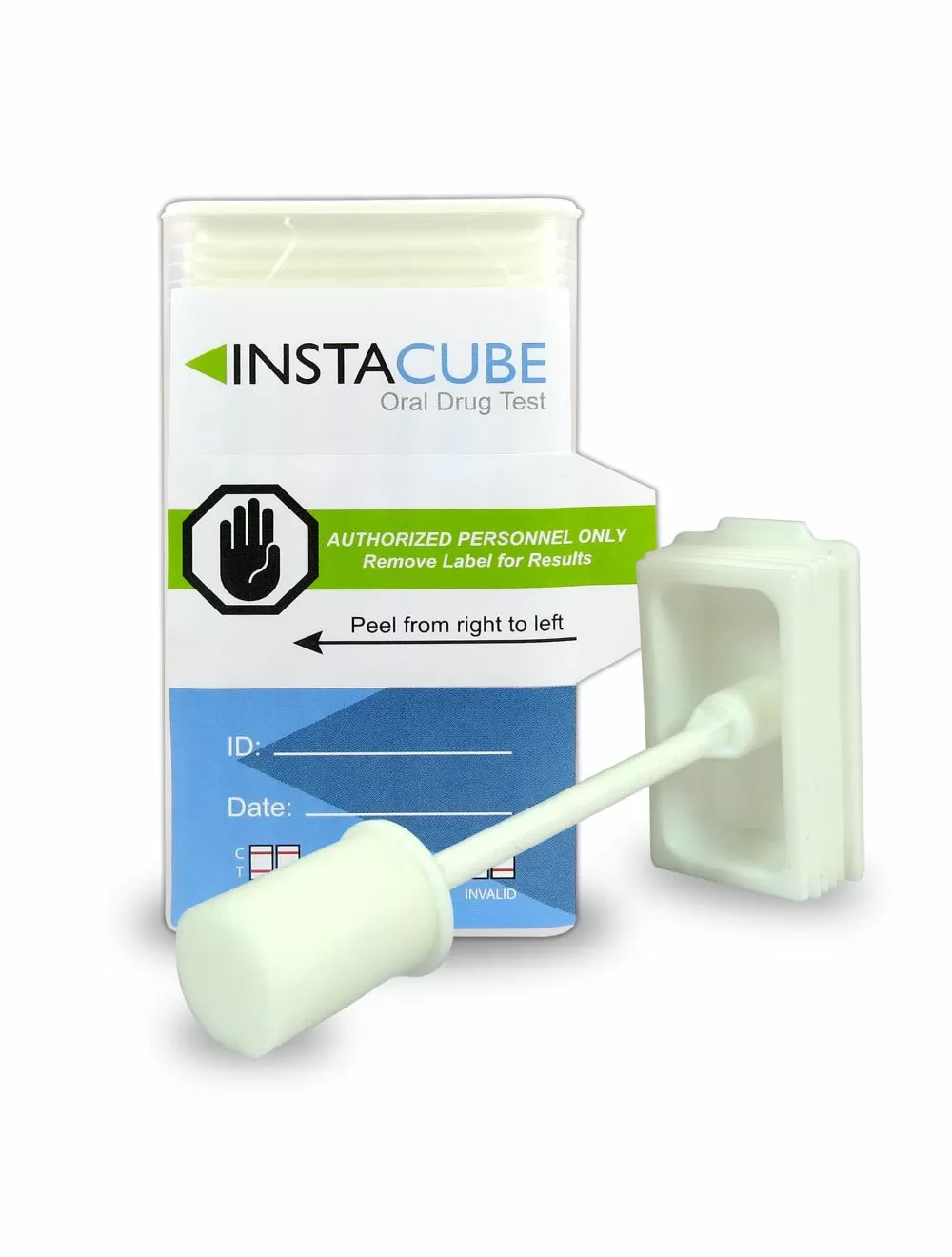
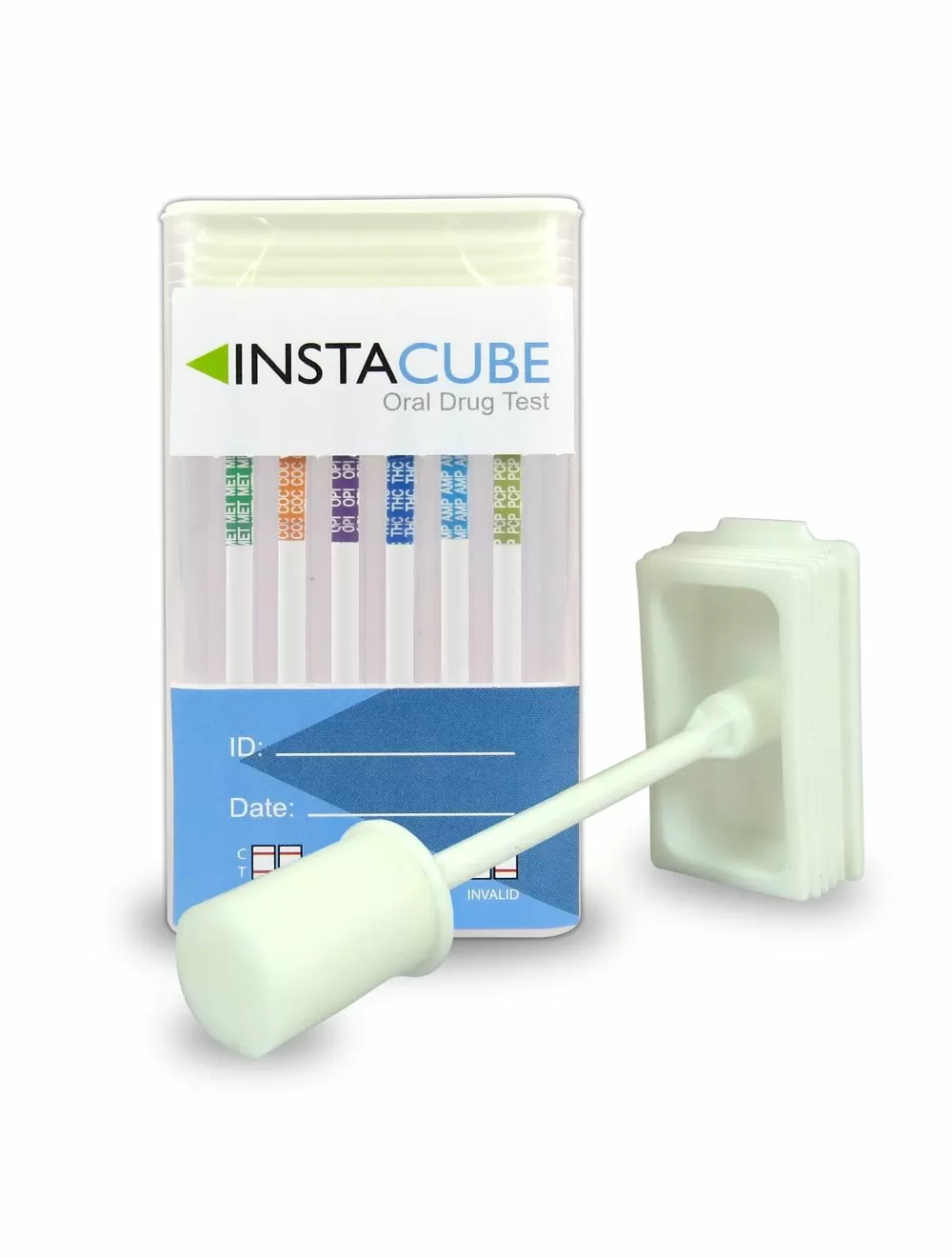
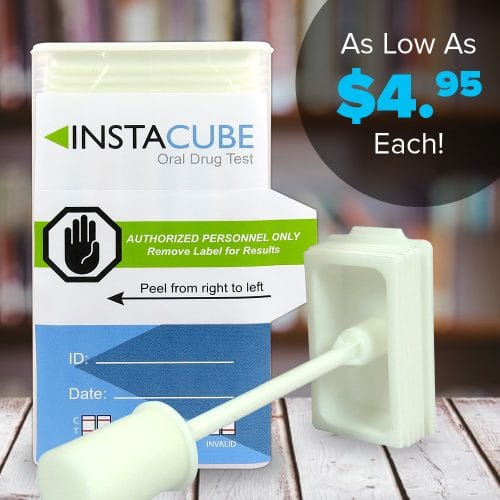
InstaCube 10 Panel Saliva Drug Test with Indicator
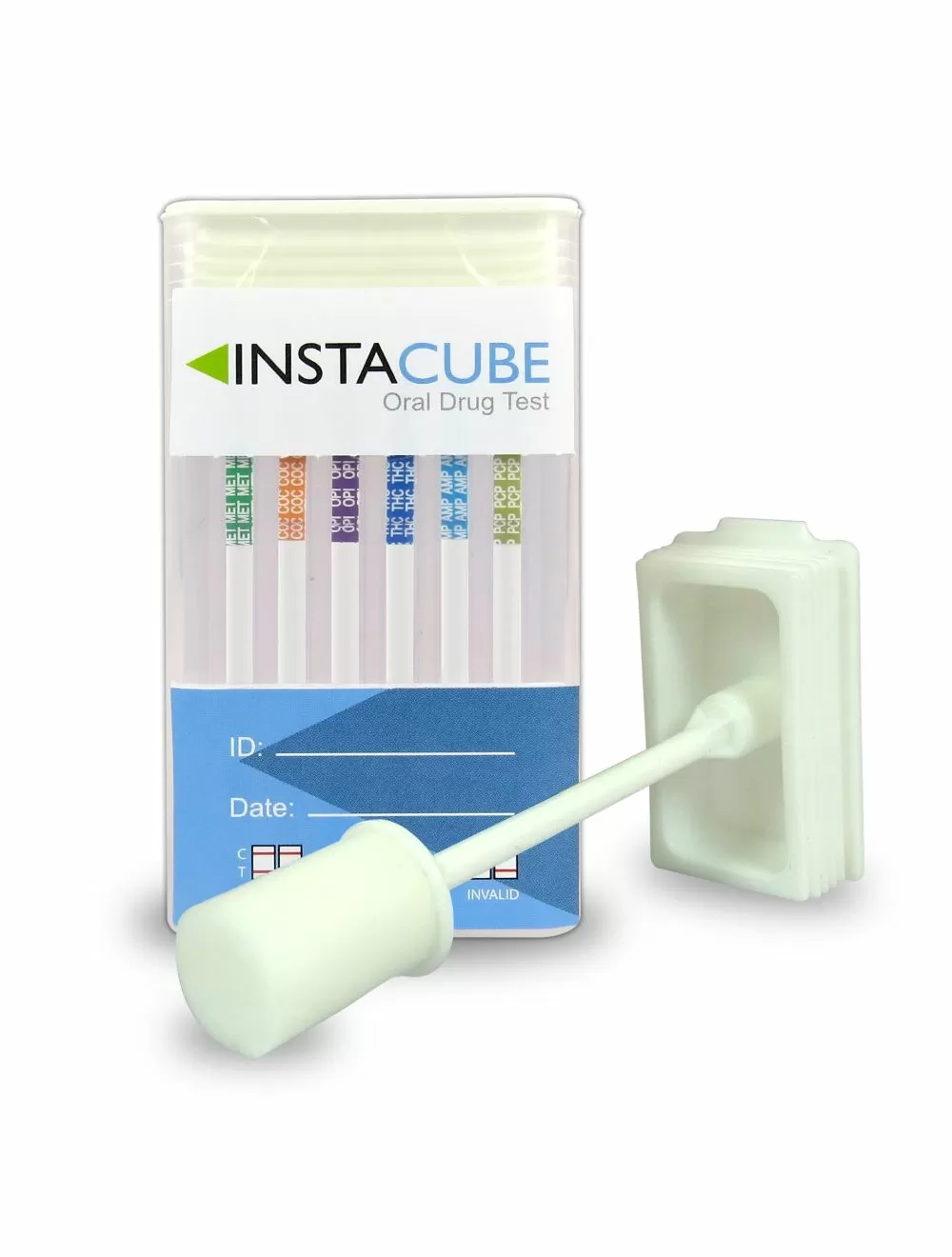
Detects: AMP, BAR, BUP, BZO, COC, mAMP, OPI, OXY, PCP, THC
Hair Follicle Drug Testing
Hair follicle testing can detect drug use for up to 90 days, making it useful for identifying longer-term patterns of use. However, it is not accepted for DOT drug test compliance. Employers who use hair testing for safety-sensitive positions must still complete the required DOT urine drug test.
DOT Pre-Employment Drug Test Price and Program Costs
Understanding the full cost picture helps employers budget accurately and avoid unexpected expenses.
Average DOT Pre-Employment Drug Test Price
A standard DOT pre-employment drug test price typically falls between $70 and $150 per test. This figure generally covers laboratory analysis, MRO review, and the collection site fee. Actual costs vary based on the geographic region, the laboratory provider selected, and whether specimens are collected on-site or at a third-party clinic.
Additional Costs Employers Should Expect
Beyond the base test fee, employers regulated by the DOT should plan for several additional line items:
- Clearinghouse query fees charged by the FMCSA
- Administrative fees from a Third-Party Administrator (TPA)
- Remote or specialty specimen collection fees
- Random pool or consortium membership fees
- MRO review or split-specimen retest costs
For fleets and transit operations, these expenses should be incorporated into the annual compliance budget from the outset.
Ways Employers Can Reduce Testing Costs
Staying compliant with DOT drug test requirements does not have to be cost-prohibitive. Three practical strategies help employers manage ongoing expenses:
- Partner with a C/TPA: Outsourcing to a Third-Party Administrator allows smaller companies to leverage bulk pricing for lab tests and compliance services
- Bundle Compliance Services: Many vendors offer package discounts when combining pre-employment testing, Clearinghouse queries, and DOT Consortium enrollment
- Streamline the Clinic Network: Negotiating flat-rate pricing with a single local provider or national clinic network avoids higher ad-hoc walk-in fees
What Happens After a Failed Pre-Employment DOT Drug Test?
A failed pre-employment DOT drug test has serious and immediate consequences for both the applicant and the employer. Federal regulations define exactly which steps must be followed.
Failed Pre-Employment DOT Drug Test Procedures
Under 49 CFR Part 40 guidelines, an applicant who fails a DOT pre-employment drug test must immediately stop pursuing or performing any safety-sensitive duties. Two consequences take effect immediately:
- Immediate Removal: The applicant cannot work in any safety-sensitive capacity — commercial driving, aviation, pipeline, or otherwise — for any DOT-regulated employer
- No Offer of Employment: The hiring company must halt the hiring process, as the applicant is no longer legally qualified for the safety-sensitive position
Substance Abuse Professional (SAP) Requirements
Regaining eligibility for safety-sensitive work requires completing the full federal Return-to-Duty (RTD) process:
- An initial face-to-face evaluation (or telehealth, where permitted) with a DOT-qualified SAP.
- Completion of a personalized education or treatment plan prescribed by the SAP.
- A follow-up evaluation to confirm readiness to return to work.
- A supervised RTD drug and alcohol test ordered by a prospective employer or C/TPA.
- A minimum of six unannounced follow-up tests within the first 12 months, as scheduled by the SAP.
Missing any step or failing a follow-up test constitutes a new DOT violation. All SAP fees and subsequent testing costs are the applicant’s responsibility.
DOT Clearinghouse Reporting Requirements
Under FMCSA regulations, any verified positive result, refusal to test, or documented actual knowledge of a violation must be entered into the FMCSA Drug and Alcohol Clearinghouse. The violation remains on record until the RTD process is completed in full, including the entire follow-up testing schedule. All future DOT-regulated employers will see the violation during any pre-employment Clearinghouse query.
Can an Applicant Reapply After Failing?
Yes, but with important conditions. Simply retesting and passing a new drug screen does not cancel out a prior failure. The disqualification remains in effect across all DOT-regulated industries until the individual has completed every step of the RTD process. Once all SAP requirements and follow-up tests are satisfied, the applicant regains eligibility, subject to the ongoing unannounced testing schedule.
Choosing the Right Drug Testing Program for Your Workforce
Not every employee is subject to DOT regulations, and many employers run both DOT and non-DOT programs simultaneously. Understanding the differences helps employers apply the right procedures to the right employees.
Quick Comparison Table: DOT vs Non-DOT Drug Testing Programs
| Feature | DOT Pre-Employment Drug Test | Non-DOT Pre-Employment Drug Test |
| Required By | Federal DOT regulations | Employer policy |
| Who Must Test | Safety-sensitive transportation employees | Any applicant selected by the employer |
| Testing Method | Laboratory urine drug test | Urine, oral fluid, hair, or other methods |
| Drugs Screened | DOT 5-panel drug test | Varies by employer |
| THC Included | Yes | Employer choice |
| Collection Procedures | Must follow 49 CFR Part 40 | Employer-defined procedures |
| Medical Review Officer (MRO) | Required | Optional or employer-dependent |
| DOT Clearinghouse Check | Required for CDL drivers | Not applicable |
| Negative Result Required Before Work | Yes | Depends on company policy |
| Flexibility of Testing Program | Limited by federal regulations | Highly customizable |
When Employers Should Use Rapid Drug Test Cups
Rapid test cups are a practical and cost-efficient tool for non-DOT screening programs. Employers can source a wide range of rapid testing solutions from DrugTestsInBulk (DTIB), including urine cups and other workplace drug-testing kits for fast preliminary screening.
Common applications include:
- Accelerated Hiring: Near-instant results for non-safety-sensitive positions significantly reduce time-to-hire.
- Reasonable Suspicion Screening: A fast initial assessment before sending an employee for lab confirmation when impairment is suspected on the job.
- Cost Efficiency: Per-test costs are lower than lab-based screens, though confirmation testing is still advisable for any non-negative outcome.
Drug Testing Supplies for Ongoing Compliance
Whether your program falls under DOT regulations or internal company policy, maintaining the right inventory supports both legal defensibility and operational efficiency:
- Custody and Control Forms (CCFs): Required for all lab-based DOT tests to preserve the legal chain of custody
- Rapid Test Kits: Bulk cups and dip cards for Non-DOT pre-employment and randomized workplace checks.
- Tamper-Evident Seals and Specimen Bags: Preserve specimen integrity during transport to the laboratory
- Alcohol Testing Devices: Calibrated breathalyzers and saliva-based alcohol swabs for DOT or company-policy alcohol screening. Employers should also understand workplace alcohol testing requirements when building a complete compliance program.
Building a Compliant DOT Pre-Employment Drug Testing Program
A compliant DOT pre-employment drug test program depends on following 49 CFR Part 40 procedures, using certified labs, verifying Clearinghouse status, and confirming a negative result before any safety-sensitive work begins. Employers should pair regulated DOT testing with reliable supplies for non-DOT screening to keep both programs consistent, defensible, and cost-effective.
Frequently Asked Questions About DOT Pre-Employment Drug Testing
Can Drinking Alcohol the Night Before Affect a DOT Drug Test?
No. The standard DOT drug test does not screen for alcohol. Alcohol is evaluated separately through a breathalyzer or urine alcohol test when required, and it will not appear on a routine 5-panel DOT pre-employment drug test.
Can Prescription Medications Cause Problems During Testing?
Yes, certain prescription medications can flag for prohibited substances like opioids or amphetamines even when taken as directed. If a test flags positive, an MRO will contact you to review your medical history, so be prepared with valid prescriptions and your doctor’s contact information.
Is Marijuana Allowed If It Is Legal in My State?
No. Even where legal under state law, marijuana remains a Schedule I controlled substance federally. The DOT enforces zero tolerance, and state medical marijuana cards cannot serve as a valid medical explanation for a positive THC test.
Can Employers Use Instant Drug Tests Instead of Laboratory Testing?
No. Instant tests, or Point-of-Collection Testing, are not approved for official DOT-regulated testing. DOT regulations require all specimens to go through strict, lab-based screening and confirmation.
What Is a DOT Pre-Employment Drug Test?
A DOT pre-employment drug test is a federally required drug screening for individuals entering safety-sensitive transportation positions regulated by the Department of Transportation.
What Drugs Are Tested on a DOT Pre-Employment Drug Test?
DOT drug tests screen for marijuana, cocaine, amphetamines, opioids, and PCP.
How Long Does a DOT Pre-Employment Drug Test Take?
Most applicants complete specimen collection in less than 30 minutes, while final results are typically available within 1–3 business days.
What Happens If an Applicant Fails a DOT Pre-Employment Drug Test?
The applicant cannot perform safety-sensitive duties and must complete the DOT return-to-duty process before becoming eligible for covered employment.
Is a Rapid Drug Test Accepted for DOT Pre-Employment Testing?
No. DOT regulations require laboratory-based urine drug testing conducted in accordance with federal procedures.