Drug testing is a critical part of maintaining a safe, compliant workplace — but the rules aren’t the same for every employer. In fact, choosing the wrong type of drug test can lead to compliance violations, legal liability, insurance complications, or even work stoppages. The most common confusion? DOT vs non-DOT drug testing. While the tests may look similar, they follow entirely different rules, panels, procedures, and reporting requirements.
This guide breaks down everything employers need to know in 2026 — including how new oral fluid rules affect DOT programs, what your workplace is legally required to do, and how to pick the right test panels for your employees.
Why the Difference Between DOT vs Non-DOT Drug Testing Matters in 2026
Understanding the differences between DOT vs Non-DOT drug testing requirements is not optional — it determines whether your testing program is federally compliant or internally defined by company policy.
Regulated vs. Non-Regulated Testing Programs
- DOT drug tests are mandatory, federally regulated, and apply only to specific industries and safety-sensitive positions.
- Non-DOT drug tests are used by private employers who design their own drug testing policies based on risk, industry standards, and state law.
Mixing up the two can lead to:
- Wrong documentation
- Wrong test panels
- Non-compliance
- Incorrect reporting
- Failed audits
DOT vs Non-DOT Drug Testing: Risks of Choosing the Wrong Test
Selecting the wrong drug test may expose companies to:
- DOT violations
- Federal penalties
- Worker’s compensation disputes
- Insurance claim denials
- Lawsuits after workplace accidents
- Severe hiring delays
For employers, deciding between whether to use DOT vs non-DOT drug testing isn’t a small detail — it determines the entire testing workflow.
What Is a DOT Drug Test? (Strict Federal Requirements)
A DOT drug test is a federally mandated drug screening required by the U.S. Department of Transportation for employees in safety-sensitive roles.
Who Must Take DOT Drug Tests?
DOT testing applies to employees regulated by:
- FMCSA (Truck & bus drivers)
- FAA (Pilots & aviation employees)
- FRA (Railroad workers)
- PHMSA (Pipeline & Hazardous Materials)
- FTA (Mass transit workers)
- USCG (Maritime workers)
Anyone who performs safety-sensitive duties must undergo a DOT pre-employment drug test.
DOT 5-Panel Drug Test Requirements
DOT tests must screen for exactly 5 substance classes:
- Amphetamines
- Cocaine
- Marijuana (THC)
- Opioids (including Oxycodone/Hydrocodone)
- Phencyclidine (PCP)
No flexibility. No custom panels. Employers can use a DOT 5-Panel Urine Drug Test to meet federal requirements.
Chain-of-Custody & MRO Review: Non-Negotiable
DOT drug tests must follow:
- Federal chain-of-custody
- Specimen security
- Lab certification
- MRO (Medical Review Officer) verification
- Strict cutoff levels
These safeguards help reduce the risk of a false-positive drug test and ensure that employees have an opportunity to provide legitimate medical explanations before a result is finalized.
What Happens If You Fail a DOT Drug Test?
A positive DOT test results in:
- Immediate removal from safety-sensitive duty
- Mandatory substance abuse evaluation (SAP)
- Return-to-Duty process
- Follow-up testing requirements
- Reportable record in DOT databases
DOT drug tests are legal documents, not optional screenings.
Alcohol Testing Requirement: DOT regulations also require approved alcohol testing. A recommended option is the DOT-approved Alco-Screen 02 saliva test.
What Is a Non-DOT Drug Test? (Flexible Employer-Defined Testing)
A Non-DOT drug test applies to all employees NOT regulated by the Department of Transportation.
Private employers use Non-DOT testing to:
- Maintain workplace safety
- Support hiring
- Reduce liability
- Comply with state laws
- Meet insurance requirements
Disclaimer: Always review your state’s drug testing laws before selecting Non-DOT panels, as some states limit when and how certain specimens can be used.
Who Uses Non-DOT Testing?
- Staffing & temp agencies
- Construction & manufacturing
- Warehouses & distribution centers
- Healthcare organizations
- Corporate offices
- Schools & universities
- Rehab facilities
- Correctional facilities
Flexible Panels (5–14 Panels)
Non-DOT tests commonly include:
- THC (or THC-free)
- Benzodiazepines
- Barbiturates
- Methadone
- Buprenorphine
- Synthetic opioids
- MDMA
- Alcohol
Employers choose panels based on risk level and job responsibility.
Specimen Types Allowed
Employers may use:
- Urine tests
- Oral fluid/saliva tests
- Hair tests
- Instant or lab-based tests
Non-DOT programs allow rapid testing options for same-day hiring and on-site screening.
DOT vs Non-DOT Drug Testing: Side-by-Side Comparison (2026)
| Feature | DOT Drug Test | Non-DOT Drug Test |
| Who Requires It | Federally regulated industries | Private employers, state rules |
| Panel Count | Fixed 5-panel | Flexible: 5–14 panel |
| Specimen Types | Urine or (new) oral fluid | Urine, saliva, hair |
| Chain-of-Custody | Mandatory | Optional |
| Cutoff Levels | Federally set | Employer-defined |
| Documentation | Strict federal process | Employer policy |
| Alcohol Testing | Required | Optional |
| Tamper Resistance | Very high | Varies |
| Testing Speed | Mostly lab-based | Instant and lab-based |
| Best For | Safety-sensitive roles | General workforce |
New for 2026 — DOT Oral Fluid Testing Explained
DOT has approved oral fluid (saliva) as a valid specimen for drug testing as of December 2024. However, implementation is not yet possible because no certified labs are currently available. This nationwide rollout is expected in late 2025 or early 2026, according to industry updates from DISA and CNS Protects.
Why DOT-Approved Oral Fluid Testing Matters
- Helps prevent tampering through observed collection
- Faster and easier specimen collection
- No bathroom access required
- Useful for remote or hard-to-reach testing environments
Limitations
- Currently, no certified labs are available
- Nationwide adoption is pending
- Can only be used once certification requirements are met
Hybrid Workforce Implications
Many employers plan to run:
- DOT urine tests for regulated workers
- Non-DOT saliva or oral tests for the general workforce
This approach simplifies operations and reduces potential cheating attempts.
Reference: DOT Notice Summary, Nov 2024
How to Choose Between DOT vs Non-DOT Drug Testing (Decision Framework)
Follow this checklist:
– If the position is federally regulated → Use DOT tests
No exceptions.
– If you need broader substance detection → Use Non-DOT
10-panel, 12-panel, 14-panel, oral + alcohol.
– If you need rapid onsite results → Use Non-DOT oral fluid
Perfect for staffing, construction, and warehouses.
– If THC cannot be tested (legal states) → Choose a 9-panel THC-free oral test
– If your workforce is mixed → Run parallel DOT & Non-DOT programs
Employers typically purchase bulk packs to keep both programs stocked.
Recommended DTIB Testing Kits (DOT & Non-DOT Employers)
DOT-Regulated Employers
Non-DOT Employers
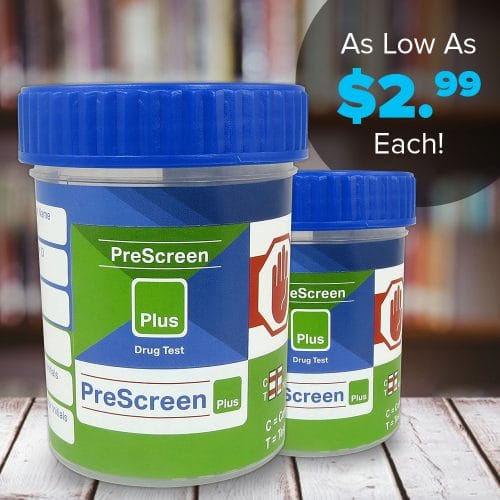
- 5 Panel PreScreen Plus Cup (CLIA Waived)
- 6 Panel Oral Cube Drug Test
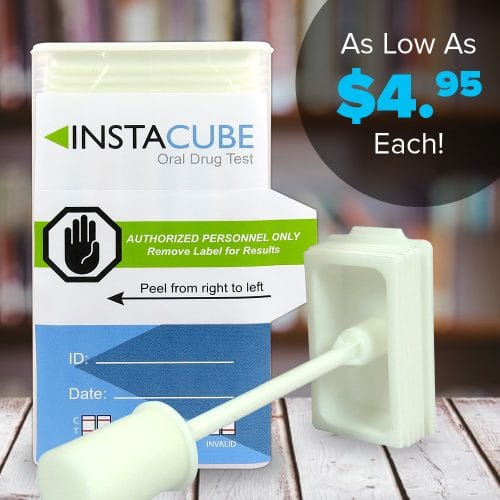
- 10-Panel InstaCube Oral Test
- 12-Panel Oral Test With Alcohol
- Bulk testing supplies for staffing & high-volume hiring
Bulk pack advantages:
- Lower cost per test
- Consistency across sites
- Faster hiring
- Fewer stockouts
- Better compliance documentation
Conclusion: Build a Compliant, Safe, Reliable Drug Testing Program in 2026
DOT vs Non-DOT drug testing is not simply a panel difference — it determines how your company stays compliant, manages risk, and protects your workforce. Federal regulations govern DOT employees, while non-DOT employers have the flexibility to choose panel types, substance coverage, and rapid onsite screening.
Whether you run a fully regulated fleet or a mixed workforce, Drug Tests in Bulk provides CLIA-waived, employer-grade DOT and Non-DOT testing kits in bulk packs with fast shipping and consistent quality.
If you need reliable, compliant drug tests in 2026, Drug Tests in Bulk is the trusted partner for employers, staffing agencies, and safety-sensitive industries nationwide.
FAQ: DOT vs Non-DOT Drug Testing (Employer Edition)
What’s a DOT drug test?
A federally mandated 5-panel urine (or oral fluid) drug test for transportation and safety-sensitive workers.
What’s a Non-DOT drug test?
An employer-defined test used for general workers with flexible panels and specimen options.
How far back does a DOT drug test go?
Urine = typically 1–3 days for most substances
Oral fluid = similar short window
Hair (Non-DOT only) = up to 90 days
Can a test be used for both DOT and non-DOT?
No — DOT tests require specific procedures, forms, and certified labs.
Does DOT allow saliva/oral fluid tests?
Yes, DOT has approved oral fluid (saliva) drug testing, but it can only be used once certified labs and collectors are fully available. Until then, urine testing remains the primary method.
Why do employers discuss DOT vs non-DOT drug testing so much (even on Reddit)?
Because many roles overlap and the rules can be confusing, audits add pressure to “get it right.”