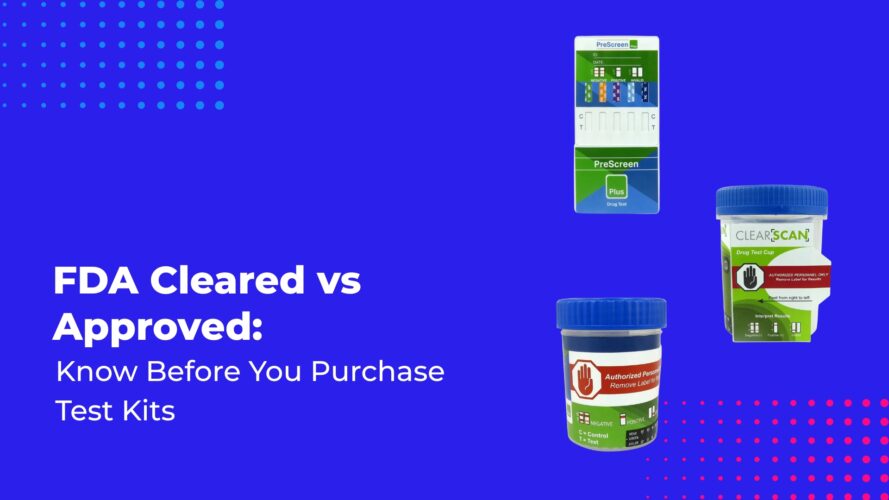
FDA Cleared vs Approved is one of the most misunderstood topics when buying drug test kits, medical devices, and screening products. Many buyers assume the terms mean the same thing, but they represent different FDA review pathways. Knowing the distinction helps businesses choose reliable products, avoid misleading claims, and purchase test kits that meet workplace or compliance needs.
Quick Summary
- FDA Cleared vs Approved: What These Terms Mean
- Difference Between FDA Cleared and Approved
- FDA Cleared vs Approved Products List: Where Drug Test Kits Fit
- What to Look for Beyond FDA Cleared vs Approved Status in Test Kits
- FDA-Cleared Drug Test Kits for Businesses
- FDA Cleared vs Approved: Key Takeaways for Test Kit Buyers
FDA Cleared vs Approved: What These Terms Mean
The FDA uses different review pathways depending on the type of medical device, its intended use, and its level of risk. Most rapid drug test kits are classified as medical devices and generally fall under the FDA clearance process rather than the FDA approval process.
What Does “Cleared by the FDA” Mean?
A product is FDA cleared when the manufacturer submits a 510(k) premarket notification and demonstrates that the device is substantially equivalent to another legally marketed device. Most moderate-risk medical devices, including many diagnostic and drug-testing kits, use this pathway because it is faster and is designed for products similar to existing technologies. FDA clearance does not mean the product skipped testing; manufacturers still need to provide safety, performance, and validation data.
What Does “FDA Approved” Mean?
A product is FDA-approved when it undergoes the Premarket Approval (PMA) process. PMA is the FDA’s most rigorous review pathway and typically applies to high-risk Class III medical devices, such as implantable pacemakers and life-supporting devices. FDA approval requires extensive scientific evidence, often including clinical studies, to demonstrate that the product is safe and effective for its intended use.
Difference Between FDA Cleared and Approved
The difference between FDA-cleared and approved products comes down to regulatory pathway, risk classification, and intended use.
FDA Regulatory Pathways Explained
The FDA uses several pathways to authorize medical devices:
- 510(k) Clearance – For devices substantially equivalent to existing products
- Premarket Approval (PMA) – For high-risk products requiring extensive clinical evidence
- De Novo Classification – For new, low-to-moderate-risk products without a predicate device
Most drug tests, such as urine cups, dip cards, and oral fluid tests, are regulated under the 510(k) pathway.
Risk Classification and Intended Use
Medical devices are categorized by risk:
- Class I: Low risk.
- Class II: Moderate risk.
- Class III: High risk.
Most drug test kits are Class II devices, meaning they require clearance but not full approval. Their intended use, screening rather than diagnosis, also influences this classification.
Accuracy, Testing Standards, and Validation
Both FDA-cleared and FDA-approved products must meet strict quality and manufacturing standards. However, approved devices often require more extensive clinical evidence.
For drug testing kits, manufacturers typically submit:
- Sensitivity and specificity data
- False-positive and false-negative rates
- Stability and shelf-life studies
- Usability and labeling information
The FDA evaluates whether the product performs consistently and safely for its intended purpose.
FDA Cleared vs Approved Products List: Where Drug Test Kits Fit
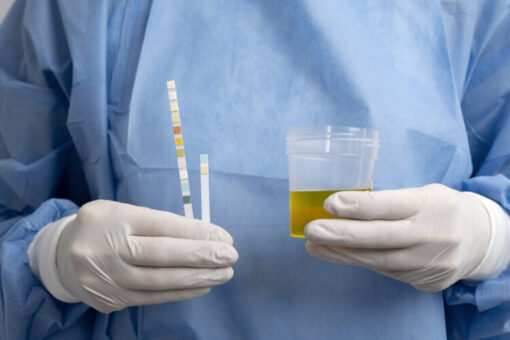
Many consumers can compare FDA-cleared vs. FDA-approved products from official lists. Drug testing kits usually appear on the FDA-cleared list.
Why Most Drug Testing Kits Are FDA Cleared (510k)
Most drug testing kits are FDA-cleared through the 510(k) pathway because they are considered substantially equivalent to previously marketed diagnostic devices, a distinction that is especially important when evaluating 510(k) clearance vs approval for drug test kits. This pathway allows manufacturers to demonstrate comparable safety and performance without undergoing the lengthy PMA approval process.
Urine and saliva drug tests, as well as rapid multi-panel screening kits, commonly use this regulatory route.
FDA-cleared products are still reviewed carefully and must comply with FDA Quality System requirements, labeling rules, and post-market obligations.
Are There FDA-Approved Drug Test Kits?
While some high-risk medical devices undergo FDA approval through the PMA process, workplace drug test cups, dip cards, and oral fluid drug tests are almost always FDA-cleared rather than FDA-approved.
This distinction is often confusing because some marketers incorrectly use the term “FDA approved” to describe 510(k)-cleared products. The FDA specifically differentiates these terms, and they should not be used interchangeably.
What to Look for Beyond FDA Cleared vs Approved Status in Test Kits
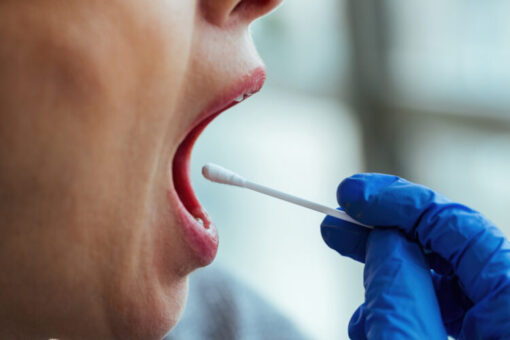
Regulatory status is important, but it is only one part of the purchasing decision. When evaluating drug testing kits, employers and healthcare providers should also consider the following factors.
- Detection panel (5-panel, 10-panel, 12-panel, etc.)
Different panels detect different substances. Choose based on your workplace or regulatory requirements. DrugTestsInBulk (DTIB) offers multiple configurations, including PreScreen Plus 5 Panel Drug Test Cup, Ten-Panel Clear Scan Drug Test Cup, and 12-Panel Insight Drug Test Cup. - CLIA-waived status if needed
If testing outside a traditional lab, CLIA-waived products may be important, depending on the use setting and applicable regulations. - Cutoff levels and confirmation compatibility
Make sure cutoff thresholds align with workplace policy. Also, confirm whether non-negative results can be sent for lab confirmation. - Shelf life and storage conditions
Longer shelf life reduces waste. Stable storage requirements help buyers in warm or variable climates. - Result speed
Rapid read times support efficient onboarding and workplace screening. - Tamper-evident design
Built-in temperature strips, secure lids, and tamper checks can strengthen chain-of-custody practices. - Bulk pricing for employers
Large employers and clinics should compare case pricing, subscription ordering, and reorder flexibility when purchasing testing supplies in bulk. DrugTestsInBulk (DTIB) provides competitive prices for bulk orders and free shipping. - Supplier reputation and support
Strong customer service, clear documentation, and reliable shipping are just as valuable as price. Employers often rely on suppliers like DrugTestsInBulk (DTIB) for consistent support and product availability.
FDA-Cleared Drug Test Kits for Businesses
Businesses, clinics, and occupational health providers commonly use FDA-cleared test kits for pre-employment, random, post-accident, and reasonable suspicion screening.
These products offer fast turnaround times and reduce costs compared to laboratory-only testing workflows.
Where to Buy FDA-Cleared Drug Test Kits
Employers seeking dependable workplace testing supplies can purchase FDA-cleared products from DrugTestsInBulk.
Drug Tests in Bulk specializes in professional-grade urine drug test cups, saliva drug tests, and multi-panel kits designed for workplace and clinical use.
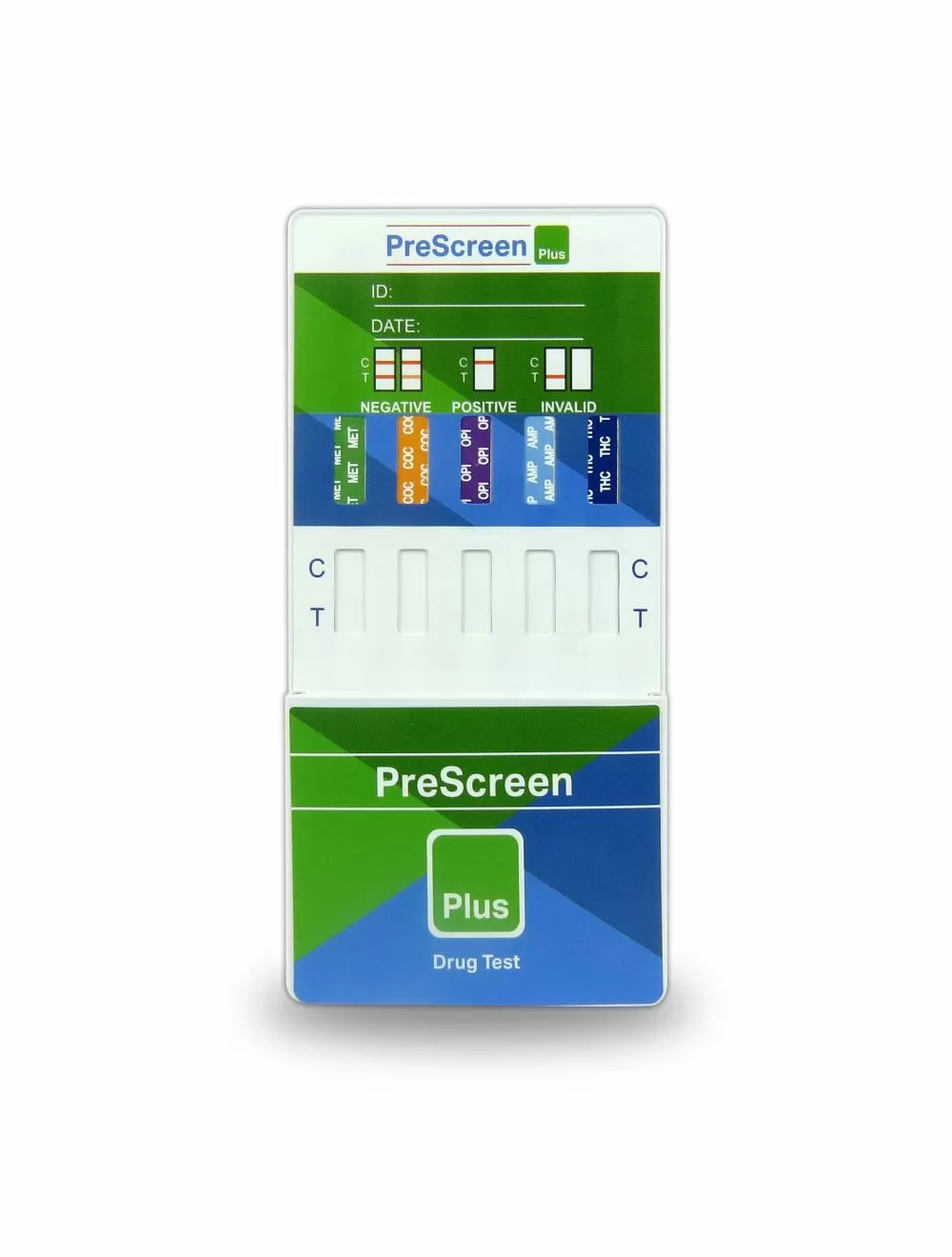

Ten Panel PreScreen Plus Cup With Adulterants (CLIA Waived)
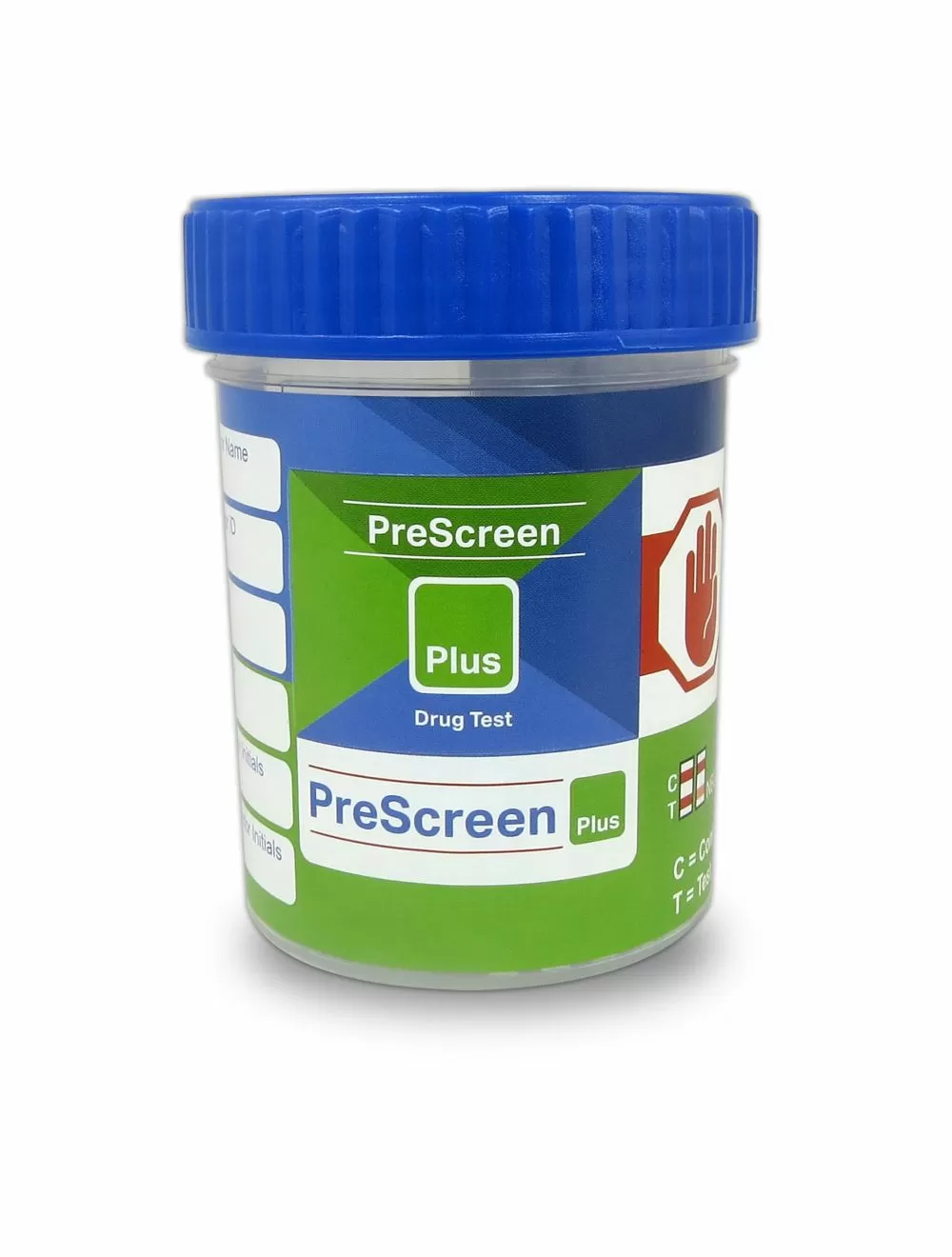
Detects: AMP, BAR, BZO, COC, MET, MDMA, MTD, OPI, PCP, THC + OX, PH, SG
Benefits of Buying Drug Test Kits in Bulk
Bulk purchasing supports more efficient workplace testing operations and helps organizations maintain uninterrupted screening availability.
- Cost Savings
Large-volume purchasing often lowers per-unit pricing and reduces overall testing expenses for employers conducting routine screenings. - Better Inventory Management
Maintaining adequate inventory helps avoid delays during onboarding, random testing, or post-accident screening situations. - Consistent Product Availability
Reliable stock availability supports uninterrupted workplace compliance programs and reduces the need for emergency purchasing. - Reduced Shipping Expenses
Consolidated orders typically reduce shipping frequency and transportation costs for businesses managing multiple testing locations. - Simplified Compliance Planning
Standardized inventory makes it easier to maintain consistent workplace testing procedures and documentation practices. - Faster Workplace Testing Procedures
Keeping sufficient inventory on hand helps employers conduct testing immediately when required, improving operational efficiency.
FDA Cleared vs Approved: Key Takeaways for Test Kit Buyers
Choosing between products labeled FDA cleared vs approved starts with understanding what each designation actually means. Most workplace drug test kits are FDA-cleared through the 510(k) pathway, which is the standard regulatory route for moderate-risk diagnostic devices.
The most important factors are intended use, validation data, quality controls, and supplier reliability. For employers, an FDA-cleared test kit from a trusted supplier like Drug Tests In Bulk is typically the right choice.
Frequently Asked Questions About FDA Cleared vs Approved
Are FDA-Cleared Drug Tests Accurate?
Yes, FDA-cleared drug tests are considered highly reliable for initial screening purposes. Manufacturers must demonstrate that their products are safe, effective, and substantially equivalent to legally marketed devices already recognized by the FDA.
FDA Cleared vs Approved – Which One Is Better?
FDA approval involves a different pathway used for higher-risk products. For workplace drug testing, FDA clearance is the standard and appropriate regulatory status.
What Does ”Cleared By The FDA” Mean For Drug Testing Kits?
“Cleared by the FDA” means the U.S. Food and Drug Administration reviewed the product through the 510(k) premarket notification process and determined it is substantially equivalent to an existing legally marketed device. It confirms the kit is safe and effective for its intended screening use — whether in a clinical, workplace, or home setting.
Are Employers Required To Use FDA-Cleared Drug Tests?
Private employers are generally not federally required to use FDA-cleared kits for non-regulated testing, though many state laws mandate them for legal defensibility. Conversely, safety-sensitive industries regulated by the federal government—such as the Department of Transportation—must strictly adhere to SAMHSA-certified laboratory protocols.
What Does The FDA Regulate?
The FDA regulates a broad range of products to protect public health, including prescription and over-the-counter drugs, vaccines, biological products, medical devices, cosmetics, tobacco products, and radiation-emitting electronic devices.