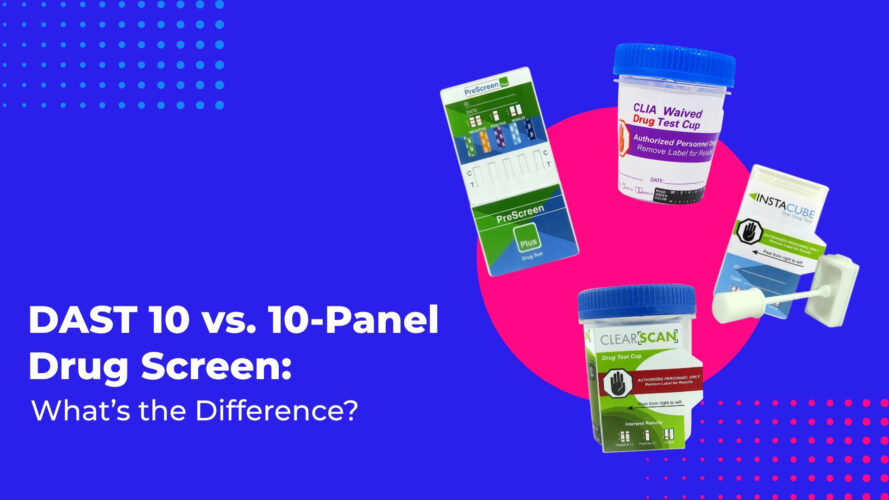
Drug Abuse Screening Test (DAST 10) is a brief questionnaire used to identify drug-use problems, while a 10-panel drug screen test is a biological test that detects specific substances in a specimen. Although both are used in drug screening, they serve very different purposes. Understanding the difference helps healthcare providers, employers, and organizations choose the right screening method for their needs.
Quick Answer: The DAST-10 is a 10-item self-report questionnaire assessing drug-related problems, whereas a 10-panel drug test screen is a biological screening test that checks for specified drugs or metabolites in a specimen.
In This Guide
- Is DAST 10 the Same as a 10-Panel Drug Screen?
- What Is the DAST 10 Drug Abuse Screening Test?
- What Is a 10-Panel Drug Screen?
- DAST 10 vs. 10-Panel Drug Screen: Key Differences
- Can DAST 10 and a Drug Test Be Used Together?
- Which Type of Drug Screening Do You Need?
- Choosing a 10-Panel Drug Test for Professional Screening
- DAST 10 vs. 10-Panel Drug Screen: Choosing the Right Screening Tool
Is DAST 10 the Same as a 10-Panel Drug Screen?
No. The DAST -10 and a 10-panel drug screen are different tools used for different purposes.
The DAST-10 (Drug Abuse Screening Test) is a questionnaire that asks about drug use, related behaviors, and consequences over the past year. A 10-panel drug screen analyzes a biological specimen, such as urine or oral fluid, for specific drugs or their metabolites.
In simple terms, the DAST-10 measures self-reported drug-related problems, while a drug screen tests a specimen for specified substances or metabolites.
What Is the DAST 10 Drug Abuse Screening Test?
The Drug Abuse Screening Test (DAST-10) is a brief, 10-item self-report questionnaire adapted from the longer 28-item DAST. Healthcare professionals and researchers use it to screen for drug‑related problems and determine whether further assessment may be appropriate.
The questionnaire uses yes-or-no questions about drug use and its consequences during the previous 12 months. The DAST 10 excludes questions about alcohol and tobacco.
What Does the DAST 10 Measure?
The DAST 10 measures the severity of consequences and problems related to drug misuse over the past 12 months. The drug abuse screening test evaluates:
- Using more than one drug at a time
- Failing to stop or control drug use
- Experiencing blackouts, flashbacks, or withdrawal symptoms
- Neglecting family or duties because of drugs
- Doing illegal acts to get drugs
- Having medical or emotional problems caused by drugs
How Does DAST 10 Scoring Work?
The DAST score ranges from 0 to 10, with higher scores indicating a greater level of drug-related problems. Most items receive one point for a “Yes” response, although scoring should follow the specific DAST-10 version being used.
DAST-10 score interpretation can vary slightly by source. For example, the ASAM-hosted DAST-10 guide uses the following ranges:
- 0: No problems reported.
- 1–2: Low level.
- 3–5: Moderate level.
- 6–8: Substantial level.
- 9–10: Severe level.
The OASAS DAST-10 scoring guide groups scores differently:
- 0: No risk.
- 1–2: At-risk or low level.
- 3–5: Intermediate level.
- 6–10: Very high risk or probable substance use disorder.
Because these drug abuse screening test scoring ranges are not presented identically across all published versions, interpret results according to the scoring guidance provided with the specific DAST tool being used.
A DAST testing score is a screening result, not a diagnosis. It does not by itself establish a substance use disorder, impairment, or current drug use. Higher scores indicate that additional clinical assessment may be appropriate.
What Is a 10-Panel Drug Screen?
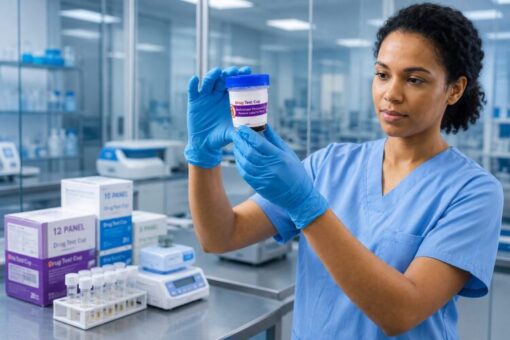
A 10-panel drug screen is a biological screening test designed to detect multiple drugs or their metabolites in a specimen. It identifies whether specific chemical substances are present in the system, making it useful for employment, legal, or medical monitoring. Depending on the test, the specimen may be urine or oral fluid. Many facilities use rapid drug tests to get immediate, on-site results.
No single universal 10-panel drug combination exists. The exact combination depends on the product and testing requirements. The substances included can vary by manufacturer, product model, testing program, and applicable requirements. Always check the product’s analyte list and instructions before selecting a test.
Ten Panel Clear Scan Drug Test Cup (CLIA Waived)
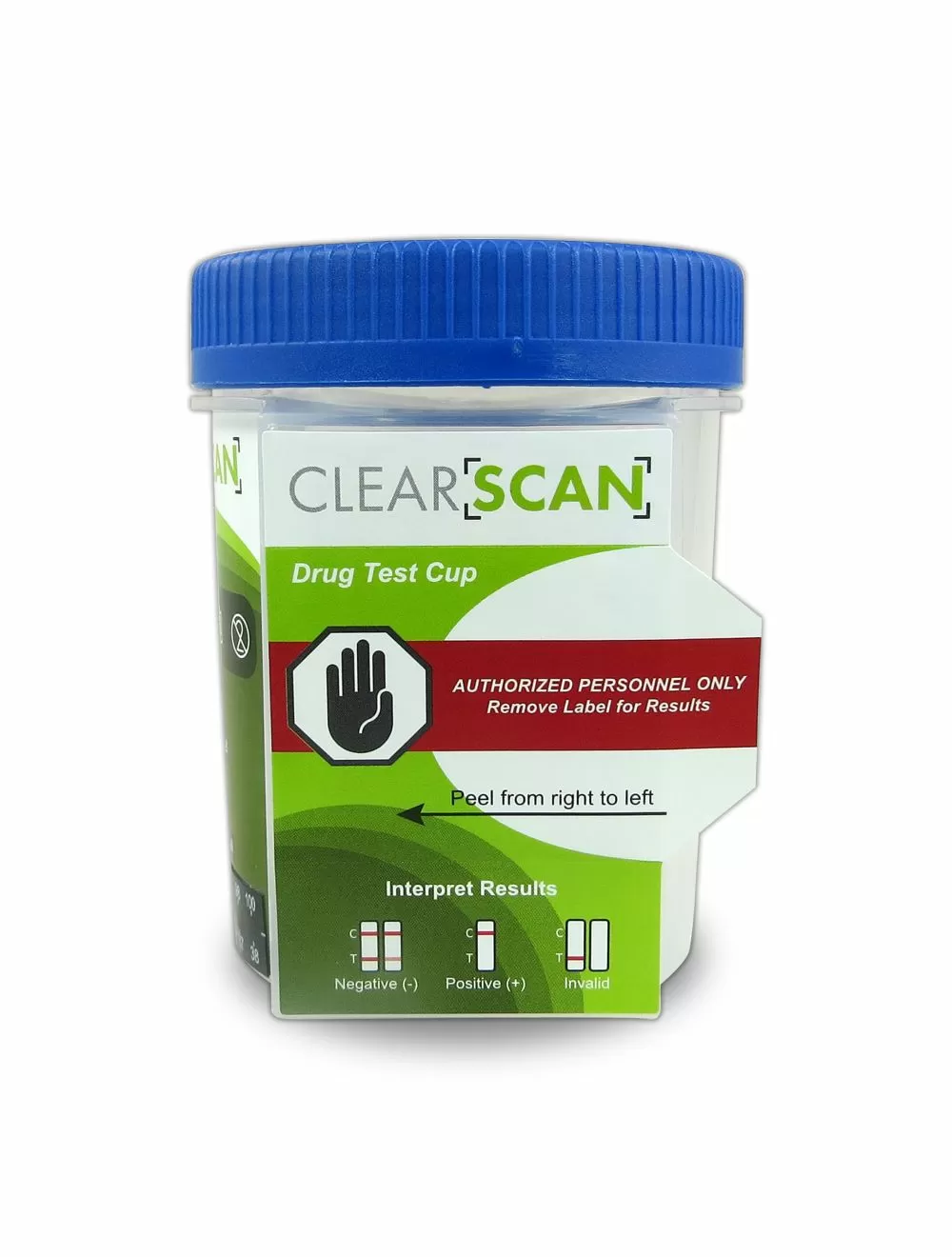
Detects: AMP, BAR, BZO, COC, mAMP, MDMA, MTD, OPI, PCP, THC
What Does a 10-Panel Drug Test Measure?
A 10-panel drug test screens for targeted drugs or metabolites using a specified cutoff concentration for each analyte. A result at or above the applicable cutoff may produce a presumptive positive screening result, depending on the test and testing procedure.
Common analytes in 10-panel configurations can include:
- Amphetamine (AMP)
- Barbiturates (BAR)
- Benzodiazepines (BZO)
- Cocaine (COC)
- Marijuana (THC)
- Methamphetamine (MET)
- Methadone (MTD)
- Opiates (OPI)
- Phencyclidine (PCP)
- Propoxyphene or another added analyte such as oxycodone, buprenorphine, or tricyclic antidepressants, depending on the test configuration
The number “10” refers to the number of targeted analytes or drug categories, not a single standardized list of substances.
For example, DrugTestsInBulk offers 10-panel testing in several formats, including urine cups, dip cards, and oral-fluid tests, with different analyte combinations.
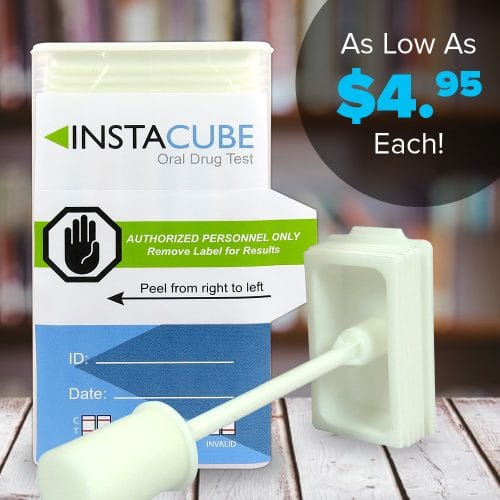
InstaCube 10 Panel Saliva Drug Test (No THC)
Detects: AMP, BAR, BUP, BZO, COC, MET, MTD, OPI, OXY, PCP
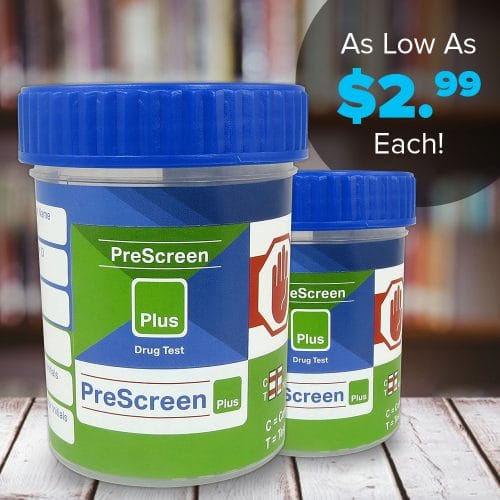
Ten Panel PreScreen Plus Dip Card (CLIA Waived)
Detects: AMP, BAR, BZO, COC, MET, MTD, OPI, PCP, TCA, THC
Ten Panel Insight Drug Test Cup (CLIA Waived)
Detects: AMP, BAR, BUP, BZO, COC, MET, MTD, MOR, OXY, THC
How Does 10-Panel Drug Screen Scoring Work?
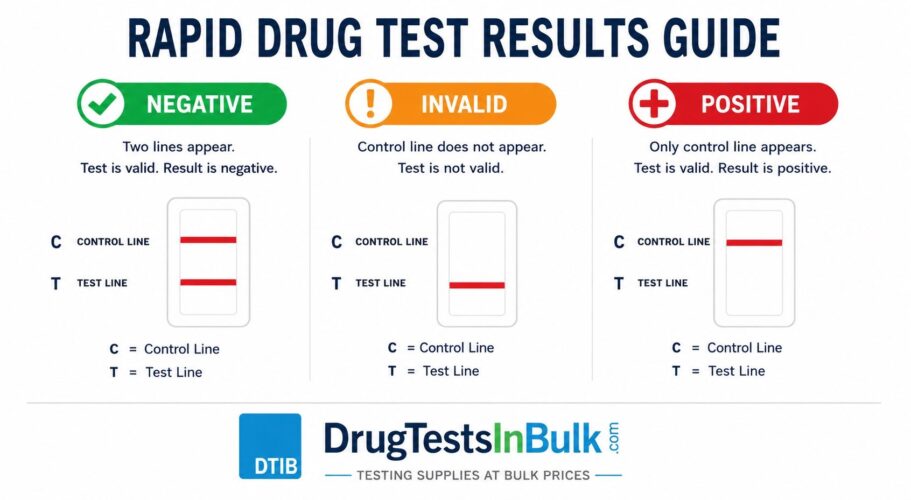
A 10-panel screening test typically produces a negative, presumptive positive, or false-positive drug test result for each analyte based on its cutoff.
A presumptive positive screening result may require confirmatory testing, depending on the testing program and applicable requirements.
DAST 10 vs. 10-Panel Drug Screen: Key Differences
| Feature | DAST-10 | 10-Panel Drug Screen |
| Test Type | Behavioral questionnaire/survey | Biological screening test |
| Primary Purpose | Assess behavioral severity, risk, and life impact | Screen for specified drugs or metabolites |
| Specific Drugs | Does not identify individual substances | Tests for the analytes included in the specific panel |
| Timeframe | Past 12 months | Varies by drug, specimen type, cutoff, and individual factors |
| Scoring Method | Numerical score from 0 to 10 | Negative or presumptive positive for each analyte |
| Common Setting | Clinics, therapy, or intake | Employment screening, legal probation, or medical monitoring |
Can DAST 10 and a Drug Test Be Used Together?
Yes. They can provide complementary information because they answer different questions.
The DAST-10 assesses self-reported drug-related problems over the past 12 months, while a drug test screens a biological specimen for specified drugs or metabolites within its detection window. Using both may help healthcare professionals decide whether additional assessment or support is appropriate. Neither a DAST -10 score nor a drug-test result alone establishes a diagnosis or impairment.
Which Type of Drug Screening Do You Need?
Choosing between these tools starts with your screening purpose. Clinical assessment and workplace drug testing generally require different approaches.
Drug Abuse Screening Test 10 (DAST -10) for Clinical and Treatment Screening
Choose Drug Abuse Screening Test 10 (DAST-10) when you need to:
- Screen for problematic drug use in a clinical or treatment setting
- Assess the severity of reported drug-related problems
- Monitor changes in drug-related problems over time
The Drug Abuse Screening Test is appropriate when the focus is on behavioral and clinical assessment rather than biological drug detection.
10-Panel Drug Tests for Workplace and Professional Screening
Choose a 10‑panel drug test when you need to:
- Screen a biological specimen for multiple specified drugs
- Conduct pre‑employment, random, reasonable‑suspicion, or post-accident testing
- Test for a broader range of substances than a basic panel
- Select a testing format based on specimen type and testing requirements
Regulated programs may require specific drug panels, specimen types, collection procedures, laboratories, and confirmation processes. A generic 10-panel test should not automatically satisfy federal or other regulatory requirements. When selecting the best drug testing kits for workplace or professional use, consider:
- Specimen type: Urine and oral fluid have different detection characteristics and collection procedures.
- Panel composition: Confirm exactly which 10 analytes are included and whether they match your testing requirements.
- Compliance standards: Many workplace programs require CLIA-waived tests for fast, legally compliant point-of-care testing.
- Cutoff levels: Check the manufacturer’s specifications and any applicable testing standards.
- Test format: Options may include integrated urine drug test cups, dip cards, and other testing formats.
- Confirmation process: Determine how you will handle presumptive positive results when confirmation is required.
DAST-10 vs. 10-Panel Drug Screen: Choosing the Right Screening Tool
The DAST -10 and a 10-panel drug screen are not interchangeable. The DAST-10 is a self-report questionnaire that screens for drug-related problems, while a 10-panel drug test screens a biological specimen for specified substances or metabolites.
For workplace and professional testing, choosing the right panel and specimen type matters. DrugTestsInBulk (DTIB) offers 10-panel options in urine cups, dip cards, and oral fluid formats to suit different screening needs, for professional and personal use. Customers can also get free shipping on qualifying orders over $75.
DAST 10 FAQs
What Does DAST 10 Stand For?
DAST-10 stands for Drug Abuse Screening Test–10, a brief, ten-item self-report questionnaire used to screen for drug-related problems over the past 12 months.
Does DAST-10 actually test for drugs?
No. The DAST-10 does not physically test urine, blood, hair, or other biological samples. It is a self-report screening tool based on a person’s yes-or-no answers about their drug use and its consequences.
Does the DAST 10 include alcohol?
No. The DAST -10 does not include alcohol. Its questions focus specifically on illicit drugs and the misuse of prescription or over-the-counter medications, and it excludes both alcohol and tobacco.