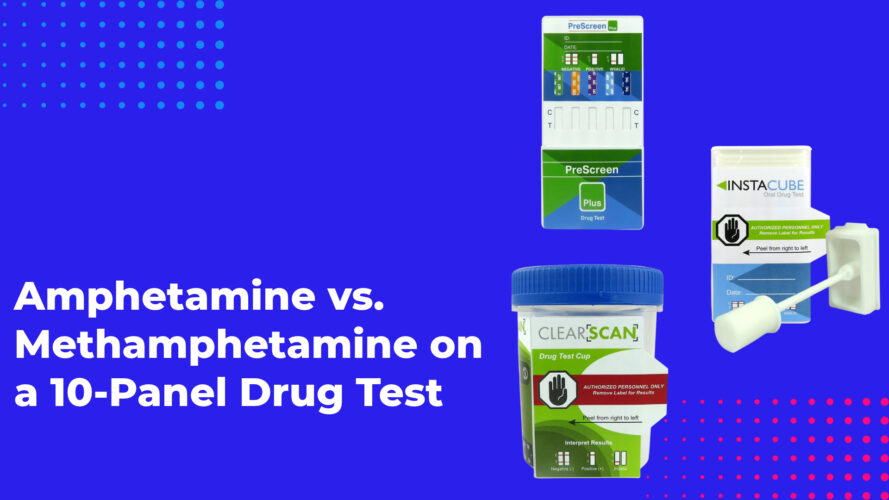
Amphetamine vs. methamphetamine is a common point of confusion when employers interpret drug test results. Although the substances are chemically related, amphetamine (AMP) and methamphetamine (mAMP or MET) are distinct analytes that can be identified through drug screening. Understanding how they differ helps employers interpret preliminary results and select appropriate testing products.
Quick Answer: Amphetamine (AMP) and methamphetamine (mAMP or MET) are related stimulants that can be detected through 10-panel urine drug tests. Methamphetamine is metabolized partly into amphetamine, so both may appear on a drug test. However, a positive screening result requires laboratory confirmation to reliably identify the substance.
In this Guide
- What is the difference between amphetamine and methamphetamine on a drug test?
- What Do AMP and mAMP Mean on a 10-Panel Drug Test?
- Can Prescription Medications Cause a Positive AMP or mAMP Drug Test?
- How Long Do Amphetamine and Methamphetamine Stay Detectable in Urine?
- What Happens After a Positive AMP or mAMP Drug Test?
- How to Choose a 10-Panel Drug Test That Detects AMP and mAMP
What is the difference between amphetamine and methamphetamine on a drug test?
| Feature | Amphetamine (AMP) | Methamphetamine (mAMP) |
| Metabolic Conversion | Does not convert into methamphetamine in the body. | Partially metabolizes into amphetamine; can trigger both AMP and mAMP positives. |
| Initial Screening | Immunoassay strips may show cross-reactivity with similar stimulants. | Initial screens may struggle to distinguish isomers or related compounds without confirmation. |
| Confirmatory Testing | GC/MS or LC-MS/MS distinguishes amphetamine specifically. | Confirmatory testing separates methamphetamine from amphetamine and checks isomers. |
| Urine Detection Window | Generally about 1 to 3 days depending on dose, metabolism, and urine pH. | Generally a few days, varying by frequency of use, dose, and route. |
| Common Sources / Cross-Reactivity | Prescription stimulants (like Adderall or Vyvanse) or certain medications metabolized to amphetamine. | Methamphetamine products, certain medications (like selegiline or benzphetamine), or initial immunoassay cross-reactivity. |
Is Speed the Same as Methamphetamine?
No. People often ask, “Is speed meth?” because the street terms overlap, but “speed” typically refers to illicit amphetamine, although its meaning varies by region.
Methamphetamine has an additional methyl group that affects how quickly it enters the brain, contributing to its stronger and longer-lasting effects. Because illicit substances are unregulated and often adulterated, powders sold as “speed” may still contain methamphetamine—making an amphetamine vs. methamphetamine distinction essential during screening.
What Do AMP and mAMP Mean on a 10-Panel Drug Test?
On a 10-panel urine test, AMP stands for amphetamine, while mAMP (also written MAMP or MET) stands for methamphetamine. A 10-panel drug test tracks amphetamine and methamphetamine as separate drug classes so labs and employers can distinguish the two exposures.
AMP vs. mAMP: What Each Drug Test Panel Detects
When evaluating amphetamine vs. methamphetamine, a standard 10-panel urine drug test separates them into distinct drug classes, each with its own typical triggers:
- AMP (amphetamine): Detects amphetamine and closely related stimulants. Common triggers include prescription ADHD drugs such as Adderall, Dexedrine, and Vyvanse (lisdexamfetamine), as well as illicit amphetamines (“speed”).
- mAMP / MET (Methamphetamine): Detects methamphetamine and its metabolites, including illicit “crystal meth” and prescription methamphetamine (Desoxyn).
(Note: Medications like Ritalin or Concerta contain methylphenidate and generally do not trigger AMP or mAMP panels, though rare cross-reactivity can occur on some screening devices.)
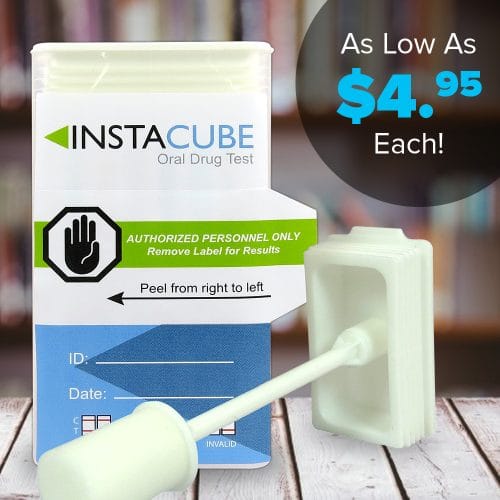
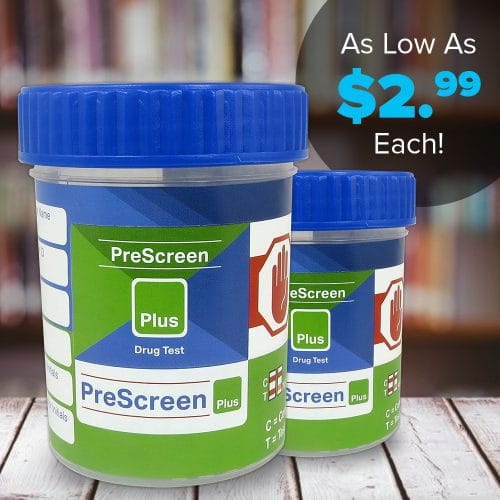
When selecting a drug screening product, check whether it includes separate AMP and methamphetamine (MET/mAMP) analytes. DrugTestsInBulk (DTIB), also known as Drug Tests In Bulk, offers a range of urine drug test cups and dip cards, including dedicated amphetamine drug test options, allowing organizations to compare screening configurations based on their testing requirements.
For organizations comparing drug testing formats, the following options from DTIB are worth exploring:
20 Panel Drug Test Cup w/ Adulterants (FUO)
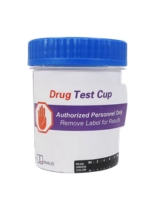
Detects: AMP, BAR, BUP, BZO, COC, ZAZA, XYL, TRA, KRA, FEN, ETG, K2, KET, MET, MDMA, MTD, MOP, OXY, PCP, THC


Can Both AMP and mAMP Test Positive?
Yes, both AMP and mAMP can test positive at the same time. This can happen for several reasons:
- Metabolism: The body breaks down (metabolizes) part of the methamphetamine into amphetamine, usually leaving methamphetamine at a higher concentration.
- One-way conversion: Amphetamine does not convert into methamphetamine, so AMP alone generally points to amphetamine exposure rather than meth use.
- Dual exposure: Taking both substances separately—including certain prescription or over-the-counter medications—can also cause both to appear.
The presence of both substances does not automatically establish separate use. Laboratory confirmation and medical review clarify the amphetamine vs. methamphetamine breakdown and determine the likely source of the results.
Can Prescription Medications Cause a Positive AMP or mAMP Drug Test?
Yes. Prescription stimulants containing amphetamine or dextroamphetamine can cause a true positive on the AMP panel. Other medications may cause false positive on initial immunoassay screens because of cross-reactivity. Examples include:
- Antidepressants and antipsychotics: Bupropion, trazodone, fluoxetine, and chlorpromazine.
- Decongestants and antihistamines: Pseudoephedrine, ephedrine, phenylephrine, and brompheniramine.
- Blood pressure and Parkinson’s drugs: Labetalol and selegiline (which metabolizes directly into l-amphetamine and l-methamphetamine).
Does Adderall Show Up as Methamphetamine on a Drug Test?
No. Adderall contains mixed amphetamine salts (dextroamphetamine and levoamphetamine), so it registers as amphetamine (AMP) rather than methamphetamine (mAMP). Because the body does not metabolize amphetamine into methamphetamine, Adderall will not cause a confirmed methamphetamine positive.
Initial screening tests can occasionally cross-react, but confirmatory testing such as GC-MS or LC-MS/MS can accurately separate amphetamine from methamphetamine. If you have a valid prescription, a Medical Review Officer (MRO) will verify it and report the test as negative.
RELATED: Adderall Drug Test: Does Adderall Show Up on a Drug Screen & How Long Is It Detectable?
Can a Vicks Inhaler Cause a Positive Methamphetamine Result?
Yes, depending on the formulation. Nasal inhalers containing levmetamfetamine, the l-isomer of methamphetamine, can trigger a positive methamphetamine (MAMP) result on an initial MAMP drug test screen and some routine confirmation tests.
Standard panels may not distinguish the l-isomer from the psychoactive d-isomer, dextromethamphetamine. Vicks removed levmetamfetamine from its standard U.S. VapoInhaler in 2016, but older Vicks inhalers and many generic or store-brand inhalers may still contain it.
If a methamphetamine result is flagged, an MRO can request isomer-specific, or chiral, testing to determine whether the result is consistent with legitimate over-the-counter inhaler use.
How Long Do Amphetamine and Methamphetamine Stay Detectable in Urine?
When evaluating amphetamine vs. methamphetamine clearance times, both clear the body faster than fat-soluble drugs like THC. However, exact detection windows depend on your dose, frequency of use, metabolism, hydration, kidney function, urine pH, and the test’s cutoff level:
- Occasional or single use: Usually detectable for 1 to 3 days after the last dose.
- Heavy, chronic, or daily use: May be detectable for 4 to 7 days, and occasionally longer with slower metabolism or alkaline urine.
Note: Acidic urine speeds up excretion, while alkaline urine slows it down. These timelines are general estimates—always check the specific cutoff threshold on your testing device.
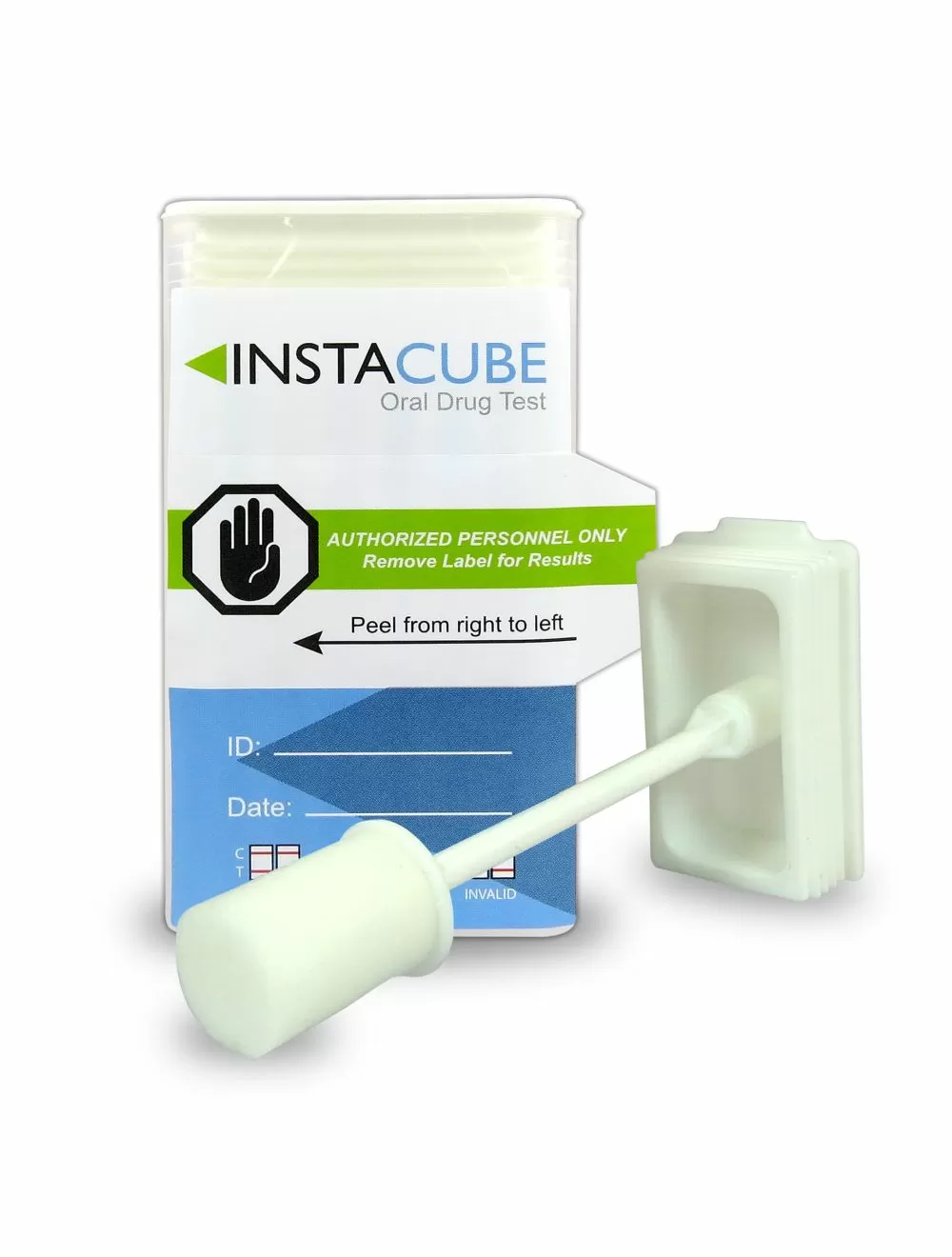
For programs looking for an alternative to urine collection, oral fluid testing provides a fast, non-invasive option. DrugTestsInBulk (DTIB) offers saliva-based screening solutions designed for workplace and organizational testing:
What Happens After a Positive AMP or mAMP Drug Test?
A presumptive positive result on an initial 10-panel drug screen is preliminary, not a final diagnosis, especially given how easily amphetamine vs. methamphetamine cross-reactivity can occur on rapid screens. In clinical, legal, and workplace testing, do not take adverse action until the sample undergoes confirmatory laboratory analysis.
How Are Positive Results Confirmed and Reviewed?
Confirmation and review follow a structured process to protect donors with valid prescriptions while ensuring confirmed substance use is handled according to program policy.
- Laboratory confirmation: The specimen undergoes advanced testing, commonly GC-MS or LC-MS/MS, to identify the exact substance and concentration.
- Medical Review Officer (MRO) review: A licensed MRO reviews the confirmed positive results and contacts the donor to evaluate valid prescriptions or legitimate medical explanations.
- Final reporting: If the donor provides a verified, legitimate prescription that accounts for the result, the MRO reports the test as negative or medically explained, depending on program rules.
For federally regulated urine testing, the confirmation cutoff for both amphetamine and methamphetamine is 250 ng/mL.
How to Choose a 10-Panel Drug Test That Detects AMP and mAMP
Not all 10-panel drug tests screen for the same substances. Before purchasing, employers and healthcare facilities should confirm whether a test accounts for amphetamine vs. methamphetamine separately. DrugTestsInBulk (DTIB) supplies bulk urine drug test cups and dip cards in multiple panel configurations, helping organizations select screening products that match their testing requirements.
Use this checklist when comparing options:
- Separate AMP and mAMP lines: Confirm the device lists both AMP and mAMP (or MET) rather than combining them into one line.
- Test format & purpose: Use instant rapid drug tests for quick initial checks, or choose lab confirmation with MRO review for compliance needs.
- Cutoff concentrations & specimen type: Verify ng/mL cutoff thresholds and select urine for multi-day detection (or saliva/hair for shorter or longer windows).
For organizations that want a multi-panel urine option with separate AMP and MET lines plus specimen validity checks, the 20 Panel Drug Test Cup w/ Adulterants (FUO) from DrugTestsInBulk (DTIB) covers both in one collection.
Frequently Asked Questions About Amphetamine vs. Methamphetamine Drug Tests
Can Adderall Cause a Positive Methamphetamine Test?
No. Adderall contains amphetamine salts, which register on the AMP panel. Because amphetamine does not metabolize into methamphetamine, Adderall will not produce a confirmed positive on a methamphetamine or mAMP/MET test. Cross-reactivity can occasionally cause a preliminary screening false positive, but confirmatory laboratory testing distinguishes amphetamine from methamphetamine.
What Does MET Mean on a Drug Test?
MET stands for methamphetamine. Laboratories and test manufacturers may also label it as mAMP, MAMP, or METH, so check the test legend or package insert to confirm the exact abbreviation used.
Can a Drug Test Tell the Difference Between Prescription and Illicit Methamphetamine?
A standard rapid cup cannot tell the difference. Confirmatory GC/MS testing with D/L-isomer analysis can separate over-the-counter levmetamfetamine (the L-isomer) from D-methamphetamine (the D-isomer). Because prescription Desoxyn and illicit methamphetamine both contain D-methamphetamine, an MRO verifies a valid prescription to distinguish between legitimate medical use and non-prescribed use.
Do All 10-Panel Drug Tests Include Methamphetamine?
Many 10-panel drug tests screen for both analytes, though amphetamine vs. methamphetamine panel configurations vary by manufacturer. Some combine them under one amphetamine/methamphetamine line, while others list them separately. Check the product’s analyte list before buying.