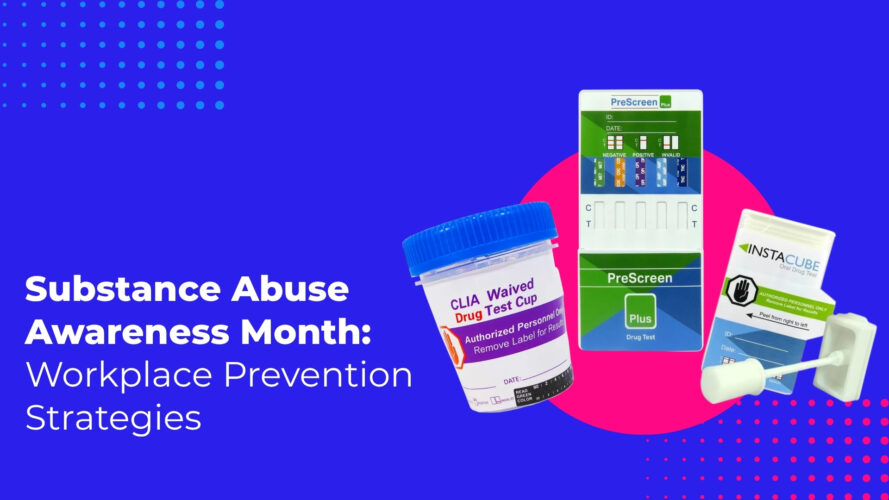
Substance Abuse Awareness Month highlights the importance of preventing substance misuse through education, workplace policies, employee support, and responsible drug testing programs. These efforts also promote safer, healthier workplaces. For employers, awareness campaigns offer an opportunity to strengthen prevention efforts, communicate clear expectations, and make resources easier for employees to access.
Quick Answer: Substance Abuse Awareness Month is now referred to as Substance Use Awareness Month, reflecting a shift toward less stigmatizing language. The observance takes place in August, while October continues to feature substance use prevention activities, including Red Ribbon Week. Employers can participate by promoting prevention education, reviewing workplace drug and alcohol policies, sharing employee support resources, and reinforcing responsible drug testing practices.
In This Guide
- What Is Substance Abuse Awareness Month?
- How Can Employers Prevent Substance Abuse in the Workplace?
- What Is Red Ribbon Week 2026?
- What Are 10 Ways to Prevent Substance Abuse in the Workplace?
- Make Workplace Substance Abuse Prevention a Year-Round Priority
What Is Substance Abuse Awareness Month?

Substance Use Prevention Month provides a dedicated opportunity to highlight the critical importance of stopping substance misuse before it escalates. SAMHSA and the White House officially designated August 2026 as National Substance Use Primary Prevention Month, with prevention and education activities extending year-round.
These observances bring together workplaces, schools, and communities to promote evidence-based prevention strategies, reduce stigma, and build healthier environments
How Can Employers Prevent Substance Abuse in the Workplace?
Effective substance abuse prevention in the workplace requires a continuous, multi-layered strategy rather than a one-time campaign. It requires clear policies, ongoing education, accessible support, and a well-managed testing program. HR teams and employers should regularly review these four core areas:
Review Your Workplace Drug and Alcohol Policy
A strong policy should be clear, consistently applied, and aligned with workplace alcohol testing compliance regulations, applicable laws, and industry requirements. Employees must be able to locate and comprehend the policy easily. When reviewing your policy, verify that it clearly outlines:
- Which substances and behaviors are covered
- When testing may occur, including pre-employment, random, or post-accident testing, where permitted and appropriate
- Employee notification and consent procedures
- Consequences for policy violations
- Confidentiality and record-handling practices
- Whether the policy is consistent with applicable federal, state, local, and industry requirements
Educate Employees and Train Managers
Employees follow workplace policies better when expectations and support tools are clearly communicated. Training should explain the reasoning behind a policy, not just the consequences of violating it.
- Cover safety and productivity risks tied to impairment
- Train supervisors to address observable performance, attendance, and safety concerns without attempting to diagnose substance use
- Include prevention topics during onboarding and refresher sessions
- Remind employees where they can find confidential support and assistance
Provide Employee Support and Prevention Resources
Prevention efforts are more effective when employees know where to turn for help before a problem escalates. Employers should make support resources visible and easy to access.
- Employee Assistance Programs (EAPs)
- Confidential counseling and mental health resources
- Community-based treatment referrals
- Information about available health benefits and behavioral health services
Review Your Workplace Drug Testing Program
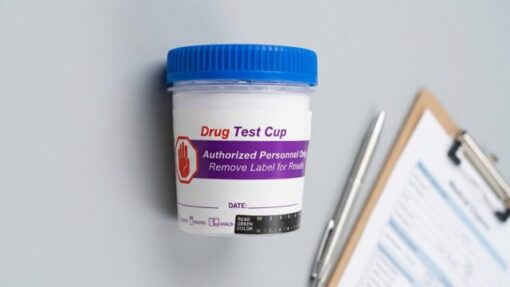
Random drug and alcohol testing can be one component of a broader substance use prevention strategy, particularly in safety-sensitive or regulated industries. A testing program works best when applied consistently and aligned with the organization’s written policy.
Employers reviewing their program should evaluate:
- Which testing methods are currently used
- What substances the panels detect
- Whether procedures align with written policy
- Whether employees understand the testing process
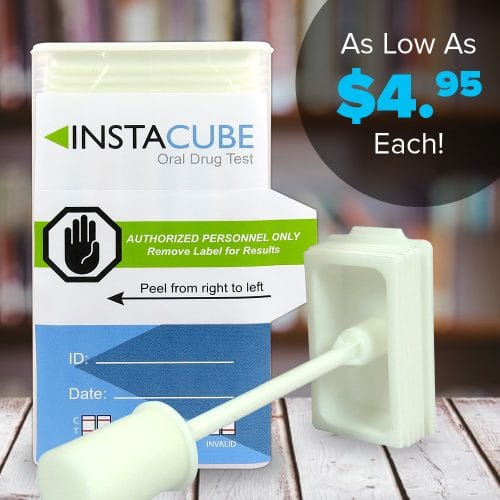
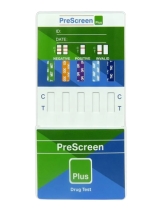
For organizations that conduct workplace screening, DrugTestsInBulk (DTIB) offers rapid drug tests in different formats for various screening needs. Employers should select testing products based on their workplace requirements, written testing policies, intended use, and applicable regulations.
InstaCube 10 Panel Saliva Drug Test with Indicator
Detects: AMP, BAR, BUP, BZO, COC, mAMP, OPI, OXY, PCP, THC
Thirteen Panel Drug Test Cup with Fentanyl (CLIA Waived)
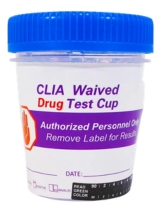
Detects: AMP, BAR, BUP, BZO, COC, FEN, MET, MDMA, MTD, MOP, OXY, PCP, THC + OX, PH, SG
What Is Red Ribbon Week 2026?
Red Ribbon Week is the nation’s largest and longest-running drug prevention campaign, held annually from October 23 through October 31. The official 2026 theme is “Make A Difference. Be A Hero. Stay Drug Free.™ Although Red Ribbon Week is strongly associated with schools, families, and communities, workplaces can also use this week to support wellness, safety, and prevention. Employers can keep activities simple, educational, and voluntary.
Red Ribbon Week Ideas for the Workplace
Simple activities raise visibility and help employees connect with wellness tools. Some practical Red Ribbon Week ideas for posters and workplace engagement include:
- Encourage employees to wear red on a designated day.
- Share EAP and behavioral health resources through internal communications.
- Send short daily prevention facts through email or other internal communication channels.
What Are 10 Ways to Prevent Substance Abuse in the Workplace?
A strong drug awareness campaign can bring immediate attention to prevention, but employers can build a safer, healthier environment by applying these 10 strategies throughout the year:
- Create Clear Policies: Develop a comprehensive, written drug- and alcohol-free workplace policy that clearly outlines testing procedures, available support, and consequences.
- Offer an EAP: Provide employees with access to an Employee Assistance Program (EAP) or other confidential support resources for counseling and treatment referrals.
- Train Managers: Teach supervisors how to recognize and document observable changes in performance, attendance, or safety, and how to follow company protocols.
- Support Employee Well-Being: Offer wellness programs, stress-management resources, and mental health services to address the root causes of burnout and stress.
- Review Insurance Coverage: Ensure your company health plan provides robust coverage for behavioral health services and substance use treatment.
- Host Inclusive Events: Plan workplace activities that don’t center on alcohol, and always provide appealing non-alcoholic options at company gatherings.
- Share Continuous Education: Use posters, newsletters, and brief workshops year-round, not just during awareness months, to keep prevention top of mind
- Encourage Peer Support: Build a supportive culture where employees look out for one another and feel safe asking for help without fear of judgment.
- Test Consistently: Implement a fair, legally compliant drug testing program that spans from pre-employment to reasonable-suspicion testing, and follow your written policy strictly.
- Lead by Example: Engage company leadership to model healthy behaviors and visibly champion the organization’s well-being initiatives.
Make Workplace Substance Abuse Prevention a Year-Round Priority
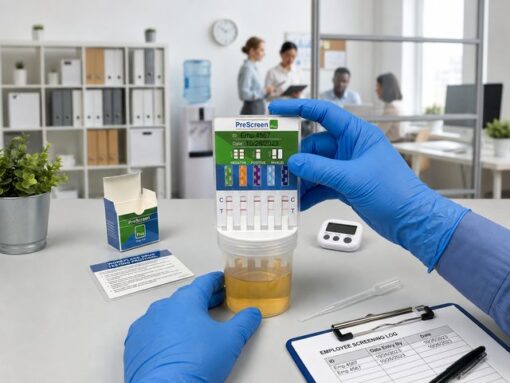
Substance abuse prevention should be a continuous, year-round commitment implemented through regular policy reviews, manager training, employee support programs, and safety education. Dedicated events like National Substance Use Prevention Month and Red Ribbon Week offer employers excellent seasonal milestones to reinforce these ongoing safety efforts.
When drug testing is integrated into an organization’s safety program, DrugTestsInBulk supports long-term compliance by providing reliable screening products, including oral fluid tests, urine cups, and dip cards. By balancing education, proactive employee support, clear corporate policies, and responsible testing, employers can foster safer, healthier, and more productive work environments.
Substance Abuse Awareness Month FAQs
What is the theme for Red Ribbon Week 2026?
The official theme for Red Ribbon Week 2026 is “Make A Difference. Be A Hero. Stay Drug Free.”
What color ribbon represents drug awareness?
A red ribbon represents substance abuse and drug prevention awareness.
What month is Drug Abuse Awareness Month?
National Substance Abuse Prevention Month was historically observed in October, with many organizations adopting the less stigmatizing name National Substance Use Prevention Month. The National Substance Use Primary Prevention Month is observed in August, but October remains associated with substance use prevention activities, including Red Ribbon Week.
When Is Red Ribbon Week 2026?
Red Ribbon Week will take place from October 23 to October 31, 2026.