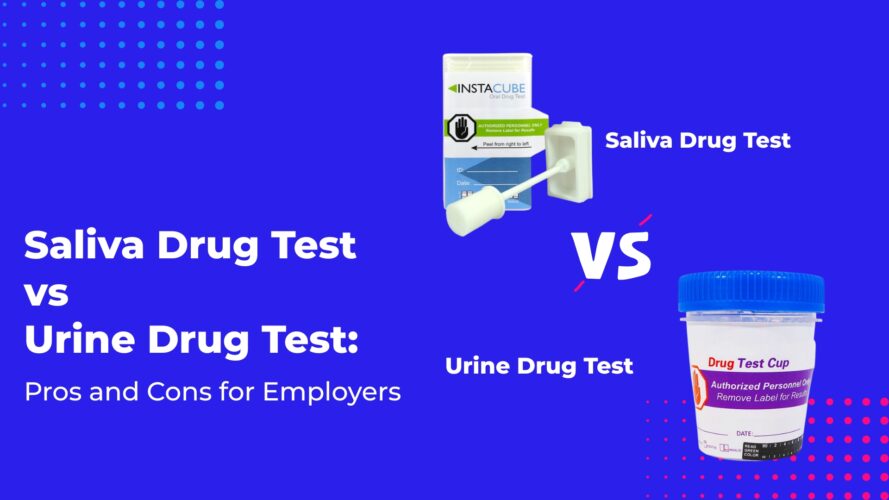
Workplace drug testing plays a critical role in protecting employee safety, reducing liability, and enforcing company policies. As testing options evolve, many employers must decide between saliva drug test vs urine drug test methods for workplace screening.
While both are widely used, they serve very different purposes. Saliva testing focuses on recent drug use and potential impairment, while urine testing is designed to identify historical or repeated use. Choosing the right option depends on safety risk, compliance goals, and testing environment.
This guide explains how saliva and urine drug tests work, their advantages and limitations, and how employers can determine which option best fits specific workplace scenarios.
Understanding Saliva (Oral Fluid) Drug Testing
What Is a Saliva Drug Test
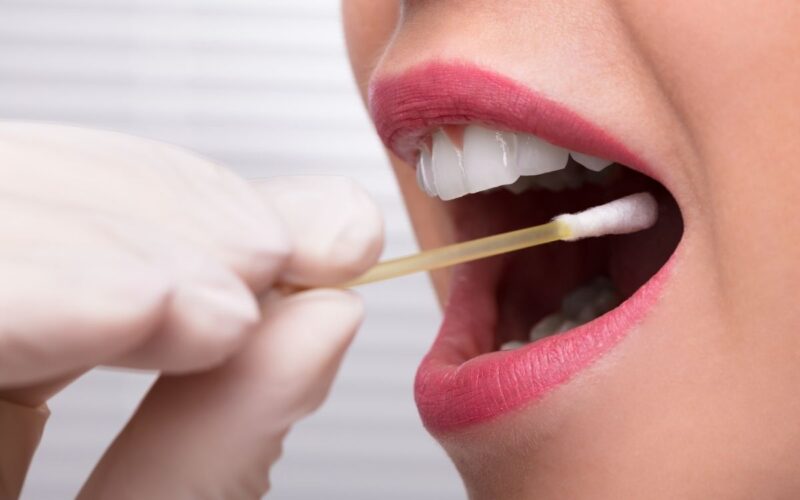
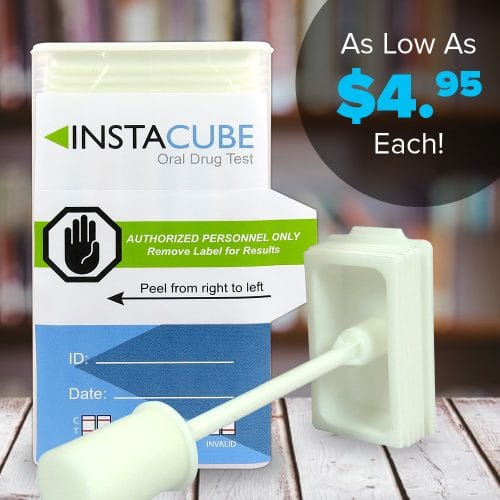
A saliva drug test, also called an oral fluid drug test, uses saliva collected from inside the mouth to screen for drugs. Collection typically involves placing a swab between the cheek and gum until enough oral fluid is absorbed.
Because collection is performed under direct observation, saliva testing significantly reduces the risk of tampering, substitution, or dilution. This makes it especially useful in situations where sample integrity is a priority.
For a more detailed breakdown of how oral fluid collection works, employers can refer to this overview of saliva drug testing methods.
How Saliva Drug Tests Work
Saliva drug tests detect parent drug compounds, which appear in oral fluid shortly after use. Unlike urine testing, saliva testing does not rely on metabolites that remain in the body for extended periods.
For employers comparing saliva drug test vs urine test options, this distinction is important. Saliva testing answers a very specific question: has drug use occurred recently enough to pose a potential safety concern?
Saliva drug testing is commonly used for:
- Reasonable suspicion testing
- Post-incident screening
- On-site or field testing
- Work environments without restroom access
This convenience and immediacy are key reasons many employers are shifting toward oral fluid screening as part of modern workplace testing programs.
Saliva Drug Test Detection Times
Saliva drug test detection windows are relatively short. Most substances can be detected within minutes of use and remain detectable for approximately 24 to 48 hours, depending on the drug.
For employers focused on real-time risk, this shorter detection window is a strength. However, it also means saliva testing is not designed to identify drug use that occurred several days earlier.
If you are looking to implement saliva testing in your workplace, consider exploring Saliva Oral Drug Test Kits.
Understanding Urine Drug Testing
What Is a Urine Drug Test
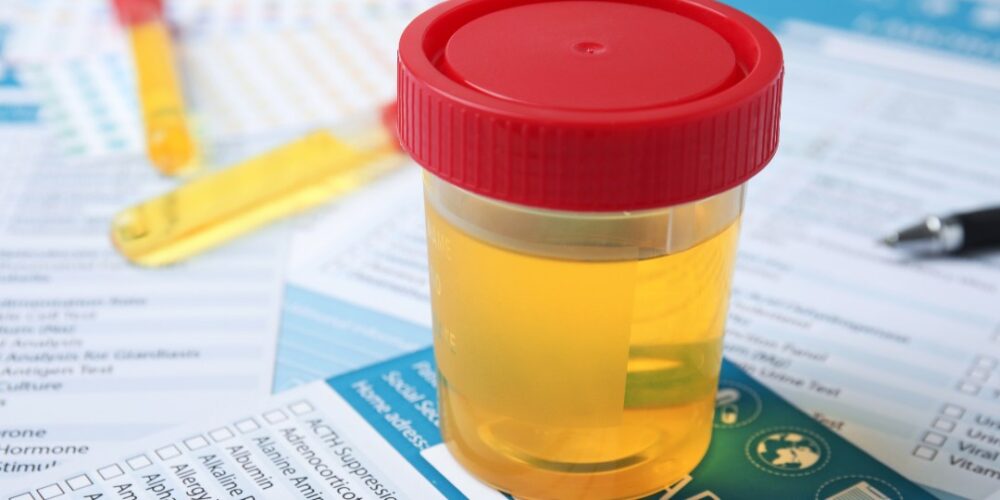
Urine drug testing is one of the most established and widely used forms of workplace screening. It remains a standard choice for employers that prioritize consistency, scalability, and compatibility with confirmatory laboratory testing.
Urine testing is often integrated into structured programs where long-term policy enforcement is the primary objective.
Many misconceptions still exist around urine testing, which are addressed in this common urine drug testing myths guide.
How Urine Drug Testing Works
Urine drug tests detect drug metabolites, which are produced after the body processes drugs. These metabolites stay in the body longer than parent drugs, allowing urine testing to identify past or repeated use.
Common urine testing formats include:
- Urine dip tests for fast, cost-effective screening
- Urine cup tests for integrated sample collection and results
- Urine pipette tests for controlled testing environments
Urine drug testing is commonly used for:
- Pre-employment screening
- Random testing programs
- Safety-sensitive positions
- Situations requiring laboratory confirmation
Urine Drug Test Detection Time
Urine drug test detection windows are longer than saliva tests. Depending on the substance, metabolites may be detectable for several days.
When evaluating saliva drug test vs urine test options, employers focused on long-term compliance typically prefer urine testing because it provides broader visibility into ongoing drug use patterns.
Saliva Drug Test vs Urine Drug Test: Key Differences for Employers
When comparing saliva drug test vs urine drug test methods, employers should focus on how each aligns with their screening goals.
Detection Window
- Saliva drug tests: Detect recent use
- Urine drug tests: Detect historical or repeated use
Employers assessing immediate safety risks often favor saliva testing, while those enforcing ongoing policy compliance rely on urine testing.
Accuracy and Reliability
Both saliva and urine drug tests are accurate when used correctly.
- Saliva drug tests: reliably detect drugs shortly after use
- Urine drug tests: provide dependable results over longer detection periods
Accuracy depends on choosing the right test for the intended purpose rather than assuming one method is universally superior.
Ease of Administration
- Saliva drug tests: No restroom required; observed collection allows immediate testing
- Urine drug tests: Requires controlled collection procedures and additional oversight
Saliva testing is often easier to deploy in field operations or mobile work environments.
Tampering and Adulteration Risk
- Saliva drug tests: Very low risk due to observed collection
- Urine drug tests: Requires safeguards to reduce dilution or substitution
Workplaces concerned about sample integrity often prefer saliva testing for this reason.
Substances Detected
- Saliva drug tests: Focus on substances associated with recent use
- Urine drug tests: Support broader panel configurations
The choice depends on whether breadth of detection or immediacy of detection is more important.
Comparison Table: Saliva Drug Test vs Urine Drug Test
| Feature | Saliva Drug Test | Urine Drug Test |
| Detection Window | Short (recent use) | Longer (historical use) |
| Detects | Parent drugs | Metabolites |
| Collection | Observed | Controlled |
| Tampering Risk | Low | Moderate without supervision |
| Best Use | On-site, suspicion-based testing | Pre-employment, random testing |
Pros and Cons for Employers
Saliva Drug Testing
Pros
- Observed collection reduces tampering risk
- Rapid results for on-site testing
- Effective for recent-use detection
- Ideal for reasonable suspicion and post-incident screening
Cons
- Shorter detection window
- Not suited for identifying drug use from several days earlier
- Less effective for long-term compliance monitoring
Urine Drug Testing
Pros
- Longer detection window
- Broader substance panels available
- Commonly used for pre-employment and random testing
- Supports confirmatory laboratory workflows
Cons
- Requires restroom access
- Needs procedural oversight to prevent adulteration
Other Considerations
Marijuana: Saliva Drug Test vs Urine Drug Test
Saliva testing detects THC shortly after use, which can help assess recent consumption. Urine testing detects THC metabolites for longer periods, making it better suited for identifying repeated or ongoing use.
Because THC behaves differently in oral fluid compared to urine, employers often seek clearer guidance when testing for marijuana using saliva-based methods.
Employers should align marijuana testing methods with company policy, job role risk, and applicable laws rather than assuming one method is universally superior.
Alcohol and Saliva-Based Screening: Important Clarification
Alcohol testing is separate from drug testing. While some alcohol screening devices use saliva-based methods, alcohol is not classified as a drug specimen type.
Alcohol tests are designed to assess immediate impairment, not drug use history. Employers should clearly distinguish alcohol screening from drug testing within their workplace policies.
For alcohol screening products, see alcohol test kits.

DOT and Regulatory Considerations
Certain regulated programs specify required specimen types and procedures. Employers must always follow applicable regulations when selecting testing methods. This guide is intended for general workplace education and does not replace regulatory guidance.
Saliva vs Urine Drug Test: Which Test is Better for Employers?
There is no single best option when comparing saliva drug test vs urine test methods. Saliva testing works well for immediate screening and recent-use assessment, while urine testing supports structured programs and long-term compliance monitoring.
Many employers use both methods as part of a layered testing strategy, applying each where it delivers the most value.
DTIB-Aligned Workplace Screening Options
DTIB supports employer screening programs with saliva and urine-based instant testing solutions designed to fit professional, screen-first workflows while maintaining accuracy and compliance.
Conclusion
Saliva and urine drug testing each play important roles in workplace screening. Understanding the differences between a saliva drug test vs urine drug test helps employers make informed decisions for their workplace. Selecting the right test for the right situation ensures safety, compliance, and consistent policy enforcement.
By selecting the right test for the right situation, employers can protect workplace safety while maintaining consistency and compliance across their organization.
Frequently Asked Questions: Saliva Drug Test vs Urine Drug Test
How accurate is a saliva drug test?
Saliva drug tests are highly accurate for detecting recent drug use when administered correctly.
What does a saliva drug test test for?
It screens for commonly abused substances shortly after use.
Which is better: saliva or urine drug testing?
The better option depends on employer goals, testing environment, and policy requirements.