Workplace alcohol testing plays a critical role in maintaining safety, reducing liability, and ensuring regulatory compliance—especially in safety-sensitive and regulated industries. Unlike drug testing, alcohol tests focus on current impairment, recent consumption, or abstinence monitoring, depending on the method used.
Choosing the wrong alcohol test for work can lead to improper disciplinary decisions, policy violations, or legal exposure. In 2026, employers must understand which alcohol testing method to use, when to use it, and how to interpret results correctly.
This guide explains workplace alcohol drug testing from a compliance perspective, including breath alcohol tests, oral (saliva) alcohol screens, and EtG urine alcohol tests—what each detects, when employers should use them, and how to build a defensible workplace alcohol testing program.
Why Workplace Alcohol Testing Requires Separate Compliance Considerations
Alcohol testing differs fundamentally from drug testing. Drugs remain detectable for extended periods, while alcohol metabolizes quickly and is primarily associated with on-duty impairment.
From an employer compliance perspective:
- Test timing is critical
- Results must align with the written policy
- Impairment and past use must not be confused
One of the most common compliance mistakes is treating alcohol testing as an extension of drug testing. In reality, an alcohol test for work requires its own strategy, documentation, and response framework.
When Employers Conduct Workplace Alcohol Testing
An alcohol test for employment may be conducted under several circumstances, depending on company policy and regulatory requirements.
Common workplace alcohol testing scenarios include:
- Reasonable suspicion testing
- Post-accident investigations
- Random testing in safety-sensitive roles
- Return-to-duty and follow-up testing
- Policy-based abstinence monitoring
Each scenario requires a specific alcohol test for work, and no single method is suitable for every use case.
If you suspect alcohol abuse in the workplace, reviewing our article on What to Do If You Suspect Your Employee Is Abusing Alcohol or Drugs can guide proper documentation and next steps.
Overview of Workplace Alcohol Testing Methods
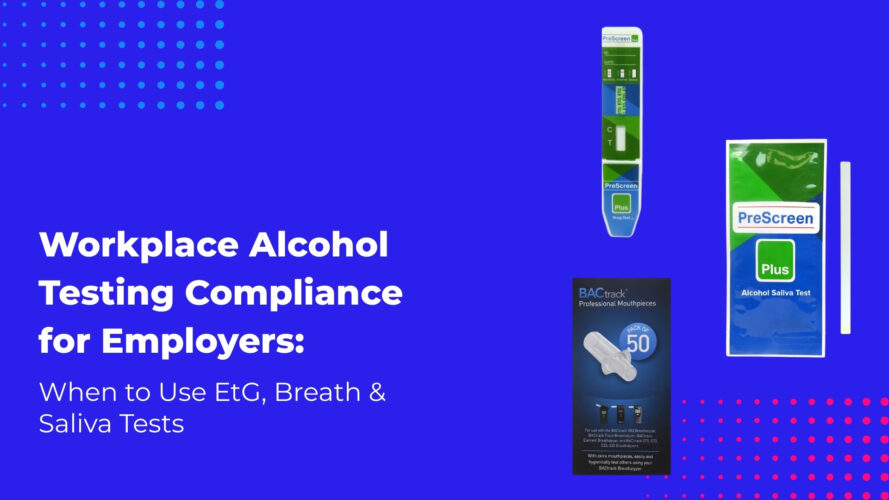
Employers generally rely on three alcohol drug test methods:
- Breath alcohol tests
- Alcohol saliva tests
- EtG alcohol tests (urine-based)
Each alcohol drug screening test method detects alcohol differently and serves a distinct compliance purpose.
Breath Alcohol Test: Measuring Current Impairment
How a Breath Alcohol Test Works
Breath alcohol tests, commonly referred to as Breathalyzer Tests, measure blood alcohol concentration (BAC) by analyzing alcohol vapor in a person’s breath. Because alcohol enters and leaves the bloodstream quickly, breath testing is the most direct way to assess current or very recent impairment.
It answers one question: Is this person currently impaired or recently impaired by alcohol?
When Employers Use Breath Alcohol Testing
Breath alcohol tests are most appropriate for:
- Reasonable suspicion situations
- Post-accident investigations
- Safety-sensitive job functions
- Immediate impairment assessments
This makes it the preferred alcohol test for work when real-time safety decisions are required.
Limitations of Breath Alcohol Testing
While breath testing is excellent for detecting current impairment, it has limitations:
- Does not detect past alcohol use
- Alcohol may no longer be detectable hours after consumption
- Not suitable for abstinence monitoring
Employers should not rely on breath testing when the goal is long-term compliance or behavioral monitoring.
Alcohol Saliva Test: Rapid On-Site Screening
What Is an Alcohol Saliva Test?
An alcohol saliva test detects the presence of alcohol in oral fluid shortly after consumption. These tests are typically administered using oral alcohol test strips or saliva-based screening devices.
Important clarifications:
- Oral alcohol screens test alcohol only
- They are not saliva drug tests
- They are screening tools, not confirmatory tests
How Saliva Alcohol Tests Work
Alcohol enters saliva quickly after consumption, making oral alcohol screening effective for identifying recent drinking. These tests are easy to administer on-site and provide rapid results without the need for specialized equipment.
Learn more about oral screening with our detailed article How Long Can Alcohol Be Detected in a Mouth Swab Test to understand the detection windows for saliva-based testing.
When Employers Use Alcohol Saliva Tests
Alcohol saliva tests are commonly used for:
- Preliminary reasonable suspicion screening
- Field or remote job sites
- Rapid post-incident evaluation
- Situations without breath testing equipment
These tests help employers determine whether further alcohol drug testing is required.
Compliance Considerations
Because saliva tests are preliminary:
- Results must be documented as screening outcomes
- Follow-up testing should be conducted when required by policy
- Employers should avoid treating results as definitive proof of impairment
EtG Alcohol Test: Monitoring Past Alcohol Use
What Is an EtG Alcohol Test?
An EtG alcohol test detects ethyl glucuronide (EtG), a metabolite produced after alcohol is consumed. Unlike breath or saliva tests, EtG testing identifies past alcohol use, not current impairment.
For a deeper technical explanation, employers can review ethyl glucuronide (EtG) as a marker for alcohol consumption.
It answers a different question: Has alcohol been consumed within a recent monitoring period?
EtG Detection Time Explained
EtG can typically be detected in urine for up to several days, depending on:
- Quantity of alcohol consumed
- Frequency of use
- Individual metabolism
Because EtG remains present longer than alcohol itself, it is useful for monitoring compliance with abstinence requirements.
When Employers Should Use EtG Alcohol Testing
EtG alcohol testing is appropriate for:
- Return-to-duty programs
- Follow-up testing
- Zero-tolerance workplace policies
- Court-ordered or regulatory monitoring
It is not designed to assess impairment and should never be used to determine whether someone was intoxicated at a specific moment.
Important EtG Compliance Clarification
EtG alcohol testing does not measure impairment. Employers should never:
- Use EtG results to claim on-duty intoxication
- Apply immediate disciplinary action without a policy context
Clear policy language is essential when EtG testing is used for employment monitoring.
Comparing EtG, Breath, and Saliva Alcohol Testing
Detection Window Differences
- Breath alcohol tests: detect current or very recent impairment
- Saliva alcohol tests: detect the recent presence of alcohol
- The EtG alcohol test: detects past alcohol consumption
Understanding detection windows prevents misapplication of results.
What Each Test Is Designed to Answer
- Breath testing: Is the employee impaired now?
- Saliva testing: Was alcohol consumed recently?
- EtG testing: Was alcohol consumed during the monitoring period?
Understanding these differences prevents misinterpretation and compliance risk.
Comparing Workplace Alcohol Testing Methods
| Feature | Breath Alcohol Test | Alcohol Saliva Test | EtG Alcohol Test |
| Detects | Current impairment | Recent alcohol presence | Past alcohol use |
| Detection Window | Immediate | Short | Extended |
| Best Use | Suspicion, accidents | Screening | Abstinence monitoring |
| Compliance Role | Impairment assessment | Preliminary screening | Policy enforcement |
Does Alcohol Show Up on Employment Drug Tests?
This is a common employer question.
The answer is no. Standard employment drug tests do not detect alcohol. Alcohol requires separate testing methods, such as breath, saliva tests, or EtG urine tests.
Employers conducting alcohol testing for employment purposes must ensure that it is performed separately, even if it is conducted alongside drug testing.
Common Workplace Alcohol Testing Compliance Mistakes
Employers often run into issues by:
- Using EtG testing to assess impairment
- Treating saliva screens as final results
- Confusing alcohol drug tests with drug-only tests
- Failing to align testing methods with the written policy
Avoiding these mistakes strengthens program defensibility and reduces liability.
Building a Compliant Workplace Alcohol Testing Program
An effective workplace alcohol testing program should:
- Define when each alcohol testing method is used
- Clearly distinguish screening vs confirmation
- Align testing triggers with job risk
- Train supervisors on result interpretation
Many employers adopt a layered approach, using breath, saliva, and EtG testing based on the situation to ensure alcohol testing for work aligns with policy and regulatory requirements.
Recommended Workplace Alcohol Testing Solutions
DTIB supports employers with professional alcohol testing solutions designed to integrate seamlessly into workplace alcohol testing programs. Our products ensure compliance, accuracy, and ease of use in a variety of workplace scenarios.
Breath Alcohol Testing
BACtrack Professional Breathalyzer Mouthpieces 50 Pack
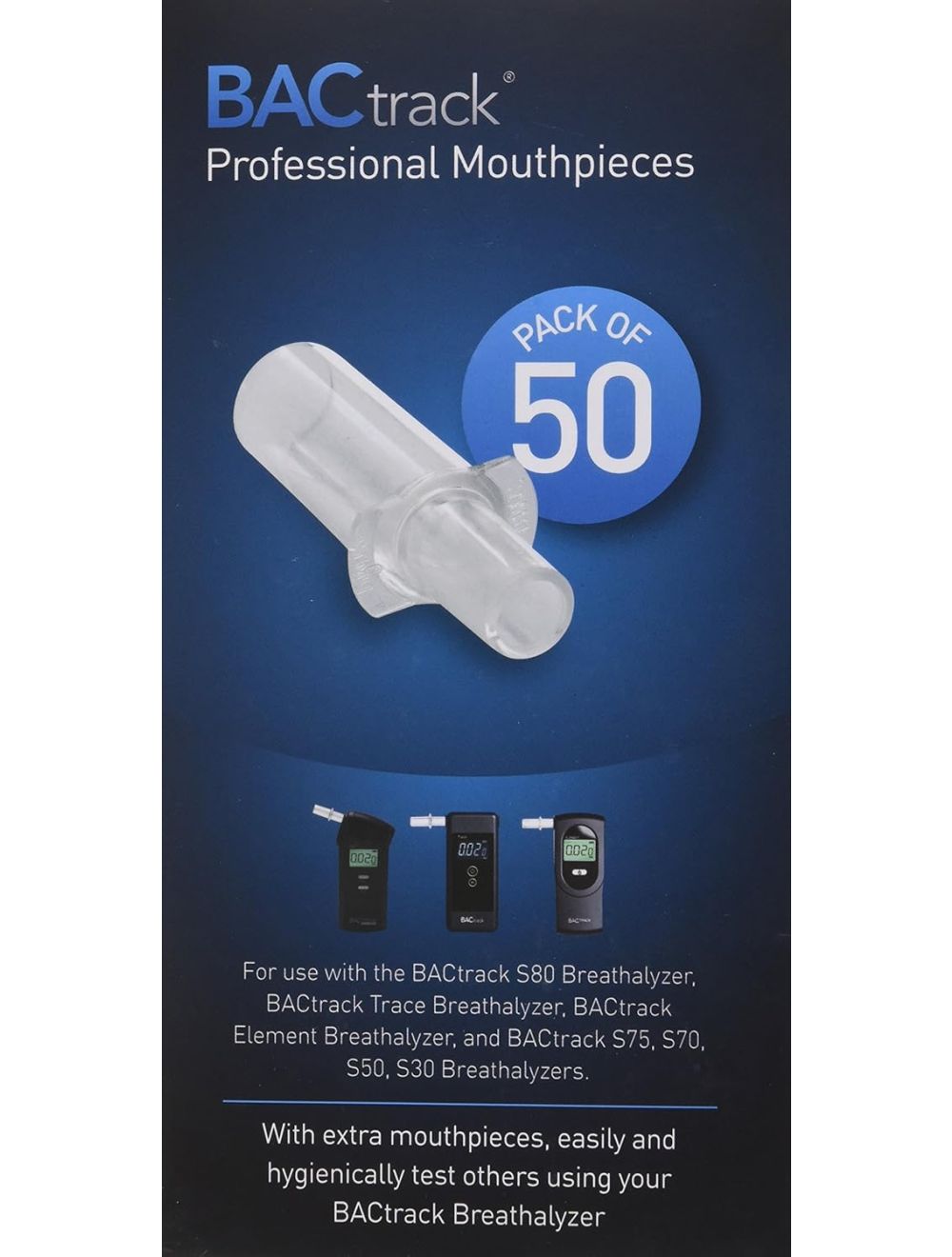
- Made with compliant food-grade plastic
- Removable and washable for repeated use
- 50 mouthpieces per box
- Ideal for use with professional breathalyzers to measure current impairment in safety-sensitive job roles
Saliva (Oral) Alcohol Screening
PreScreen Plus Alcohol Saliva Test
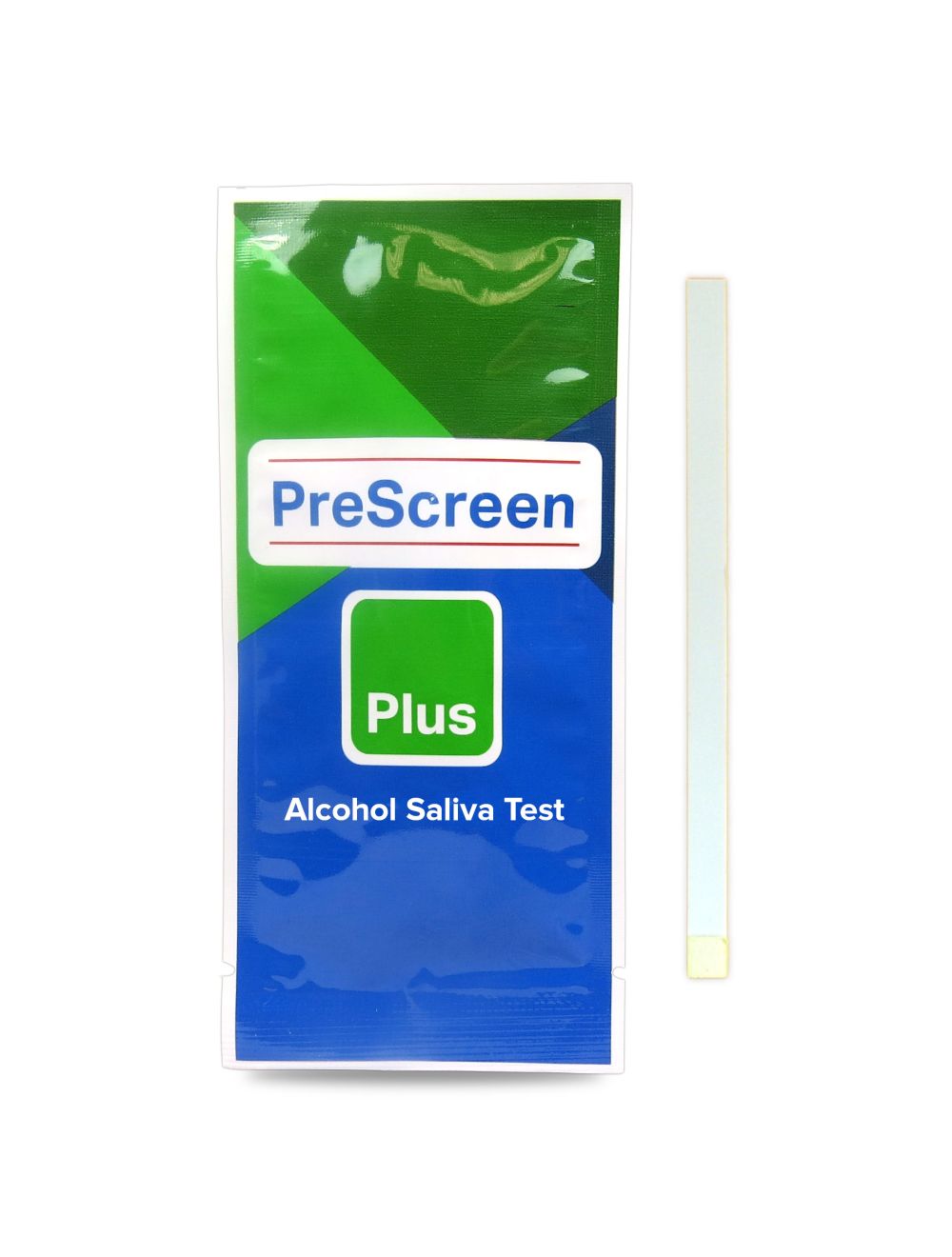
- Detects alcohol directly from human saliva
- Results in 2 minutes using a simple color-changing indicator
- Detects alcohol at 5 levels: .00%, .02%, .08%, .15%, and .30%
- Individually packaged for easy transport and handling
- 12-month shelf life
- Easy to use with no special training required
- Perfect for preliminary reasonable suspicion screening or on-site alcohol tests
EtG Urine Alcohol Testing
PreScreen Plus Drug Test Dip Card (EtG) FUO

- Detects EtG (ethyl glucuronide) in urine with a cutoff of 500 ng/mL
- “Dip and Read” design delivers results in 5 minutes
- Forensic use only
- Requires urine sample at room temperature (59–68°F / 15–30°C)
- Ideal for return-to-duty programs, follow-up testing, and abstinence monitoring
- Panel Count: 1 | Adulterants: No | CLIA Waived: No | FDA Cleared: No
Conclusion: Building a Compliant Workplace Alcohol Testing Program
Workplace alcohol testing compliance depends on selecting the right test for the right purpose. Breath alcohol tests, alcohol saliva tests, and EtG alcohol tests each serve a distinct role in employment-based alcohol drug testing programs.
Employers who understand detection windows, compliance limitations, and policy alignment are better equipped to protect employees, reduce liability, and maintain defensible workplace alcohol testing programs.
Workplace Alcohol Testing FAQ for Employers
What is an EtG alcohol test?
An EtG alcohol test detects a metabolite of alcohol in urine to identify recent consumption.
Can EtG prove intoxication?
No. EtG indicates past alcohol use, not impairment.
How long can an EtG test detect alcohol?
EtG can typically be detected for several days after alcohol consumption.
Do employment drug tests test for alcohol?
No. Alcohol requires separate testing methods such as breath, saliva, or EtG urine tests.
How long does alcohol show up on a breathalyzer test?
Alcohol is usually detectable for several hours after consumption, depending on the amount consumed.
Are alcohol saliva tests accurate?
Yes, for detecting recent alcohol presence, but they are screening tools, not confirmatory tests.
When should employers use breath alcohol tests?
When assessing immediate impairment in safety-sensitive or post-incident situations.