Last Major Update:
|
Updated alcohol detection and testing guidance
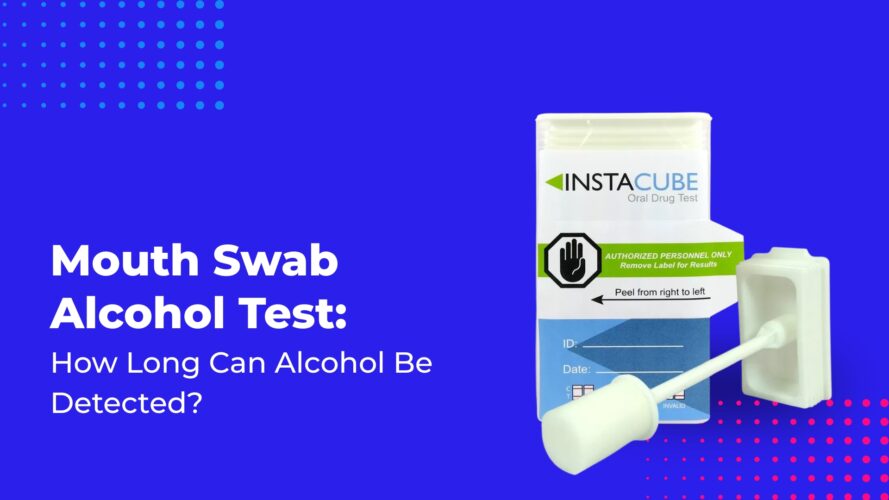
A mouth swab alcohol test checks saliva for recent alcohol use and provides employers with a quick, non-invasive screening option. This guide covers detection time, testing methods, result factors, and workplace use.
Quick Answer: A mouth swab alcohol test checks saliva for recent alcohol use. Alcohol is generally detectable in saliva for a relatively short period, often up to about 12–24 hours. However, the actual detection window depends on factors such as the amount consumed, the testing device, timing, and individual metabolism.
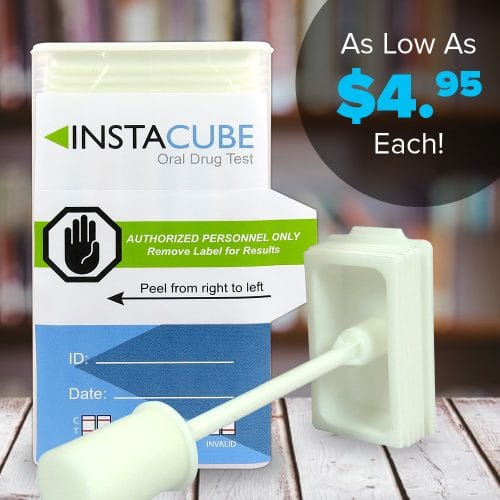
DrugTestsInBulk supplies saliva and oral-fluid testing kits in bulk for employers, staffing agencies, healthcare organizations, treatment facilities, and other professional screening programs. For organizations that need saliva-based alcohol screening specifically, DTIB also carries 12 Panel Saliva Drug Test With Alcohol by InstaCube, along with other alcohol testing options.
12 Panel Saliva Drug Test With Alcohol by InstaCube
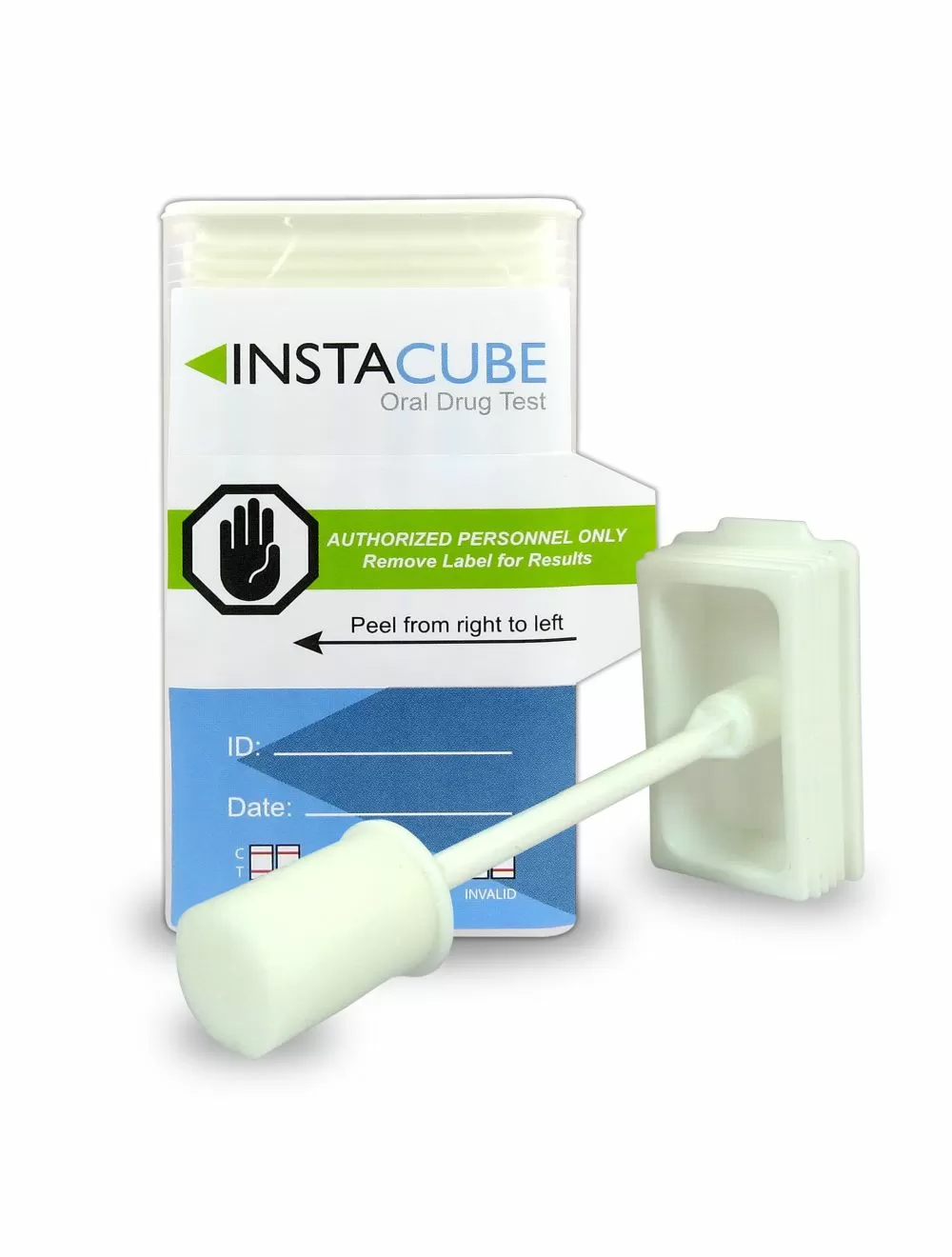
Detects: ALC, AMP, BAR, BUP, BZO, COC, mAMP, MTD, OPI, OXY, PCP, THC
In This Guide
- How Long Can Alcohol Be Detected in a Mouth Swab Test?
- What Is a Mouth Swab Alcohol Test?
- How Does a Saliva Alcohol Test Work?
- What Can Interfere With a Mouth Swab Alcohol Test Result?
- How Accurate Is a Mouth Swab Alcohol Test?
- Mouth Swab vs. Breath vs. Urine Alcohol Tests
- When Are Mouth Swab Alcohol Tests Used in the Workplace?
How Long Can Alcohol Be Detected in a Mouth Swab Test?
A mouth swab alcohol test is mainly useful for detecting recent alcohol use. Alcohol may remain detectable in saliva for up to about 24 hours, but this is an estimated window rather than a guaranteed cutoff. The actual detection period varies by the test, the person being tested, and when the sample is collected.
What Factors Affect How Long Alcohol Stays Detectable in Saliva?
Detection time can vary based on:
- The amount of alcohol consumed
- How recently the person drank
- Individual metabolism
- The test’s sensitivity or cutoff
- The specific saliva alcohol test
- Collection timing and sample quality
Larger amounts may take longer to process, while device sensitivity and thresholds can also affect detection.
What Is a Mouth Swab Alcohol Test?
A mouth swab alcohol test checks saliva, also known as oral fluid, for alcohol. Depending on the test, you collect saliva using a small swab or absorbent pad placed inside the mouth. The sample is then tested according to the manufacturer’s instructions.
Collection is direct and does not require a urine specimen, and some point-of-collection oral-fluid tests can produce results quickly.
Do Mouth Swabs Test for Alcohol?
Yes, some mouth swab tests are designed specifically to screen for alcohol. However, not every mouth swab drug test includes alcohol.
Oral drug test kits may screen for drugs without testing for alcohol. If alcohol screening is needed, the selected device should specifically include alcohol among the substances it is designed to detect.
How Does a Saliva Alcohol Test Work?
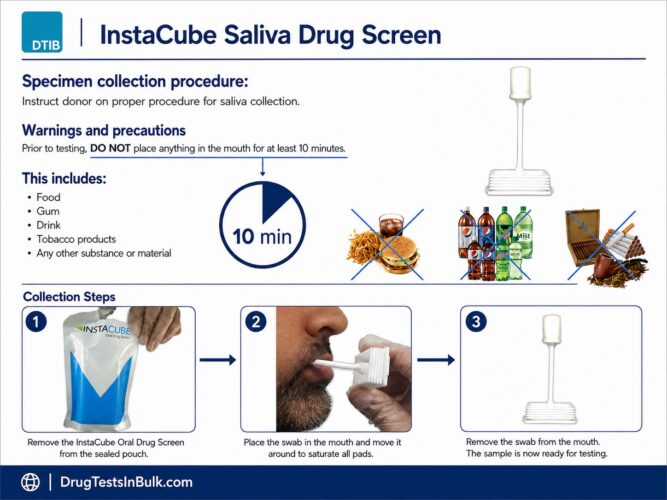
A saliva test for alcohol uses a collection device placed in the mouth to obtain oral fluid. The sample is then processed according to the manufacturer’s directions, with results displayed according to the device design.
Different devices use different collection and interpretation methods. For example, the Alco Screen 01 Alcohol Saliva Test available from DrugTests InBulk uses saliva to screen for alcohol and provides results in approximately two minutes. It is CLIA-waived and is designed to indicate alcohol concentrations across several levels. Testing personnel should always follow the specific instructions supplied with the device.
Procedures vary by device, so testing personnel should follow the exact instructions for collection, storage, and result timing. For DOT saliva alcohol screening devices, federal rules specifically require users to follow prescribed collection procedures and manufacturer timing requirements.
What Can Interfere With a Mouth Swab Alcohol Test Result?
Sample collection, substances recently placed in the mouth, device handling, storage conditions, and reading time can all affect testing.
Can Food, Drinks, or Alcohol-Containing Products Affect the Result?
Recent food or beverages may affect saliva testing conditions, depending on the test. Alcohol-containing products are especially relevant because residual alcohol in the mouth may temporarily influence a screening result.
Employers should follow any waiting period or pre-test instructions required by the manufacturer or testing program. In DOT testing, for example, employees awaiting a required confirmation test are instructed not to eat, drink, smoke, chew gum, or place anything else in their mouth during the waiting period to reduce the potential effect of mouth alcohol.
Why Test Timing and Manufacturer Instructions Matter
Each device has instructions for collection, activation, storage, and result interpretation. These directions are part of the testing procedure.
For DOT saliva alcohol screening, the device cannot be expired, must be used according to required procedures, and the result must be read within the specified time. Timing or device-use errors may require cancellation of the test.
How Accurate Is a Mouth Swab Alcohol Test?
A mouth swab alcohol test can be useful for screening when it is used correctly, but performance depends on the device, collection process, timing, test threshold, and testing conditions.
Employers should select a test appropriate for the program and follow the directions. Preliminary results may also require confirmation. Oral-fluid screening should not automatically be treated as interchangeable with a laboratory or evidential confirmation test.
Mouth Swab vs. Breath vs. Urine Alcohol Tests
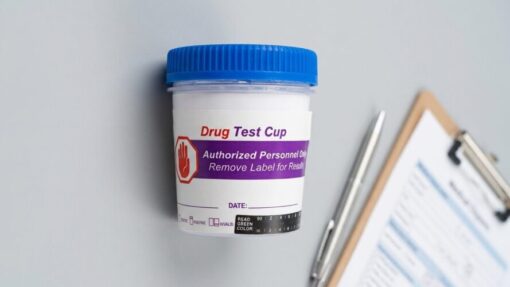
Different alcohol tests serve different purposes.
| Test Type | Sample | Common Use | Detection Focus |
| Mouth swab/saliva | Oral fluid | Rapid screening | Recent alcohol use |
| Breath test | Breath | Alcohol concentration at testing | Current or very recent alcohol presence |
| Urine alcohol or EtG test | Urine | Alcohol or alcohol-metabolite testing | Can provide a longer lookback, depending on the test |
Saliva testing can be useful when quick, observed collection is important. Breath testing commonly measures alcohol concentration at the time of testing. Urine tests may look for ethanol itself or metabolites such as ethyl glucuronide (EtG) and ethyl sulfate (EtS). SAMHSA notes that testing for these alcohol metabolites can extend detection to several days in some circumstances.
Alcohol Testing Options Available From DrugTestsInBulk
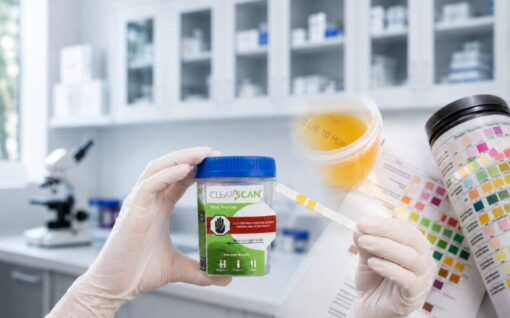
DrugTestsInBulk carries alcohol testing products in different formats, allowing organizations to choose a testing method based on how recently alcohol use needs to be detected, the type of specimen collected, and their screening program requirements.
| DTIB Product | Test Type | What It Tests | Best Fit |
| PreScreen Plus Alcohol Saliva Test (FUO) | Saliva | Alcohol | Rapid saliva alcohol screening |
| PreScreen Plus Drug Test Dip Card (EtG) FUO | Urine Dip Card | EtG alcohol metabolite | Programs needing a longer detection window |
| Insight 20 Panel Drug Test Cup w/ Adulterants (FUO) | Urine Cup | Alcohol and/or additional substances | Programs combining alcohol and drug screening |
When Are Mouth Swab Alcohol Tests Used in the Workplace?
Employers may choose alcohol mouth swab tests when they need observed collection, on-site screening, or a test focused on relatively recent alcohol use.
Can a Mouth Swab Alcohol Test Be Used for DOT Testing?
Yes, under specific conditions. DOT rules allow approved saliva Alcohol Screening Devices, or ASDs, for alcohol screening when the device is on the approved list and the test follows 49 CFR Part 40 procedures.
You cannot use a saliva ASD for a DOT alcohol confirmation test. If a DOT screening result is 0.02 or higher, direct the employee to a confirmation test. DOT requires alcohol confirmation testing to use an approved Evidential Breath Testing device.
Employers covered by DOT regulations should verify that the testing device, personnel, forms, and procedures meet current Part 40 requirements.
How Do Employers Choose the Right Saliva Testing Kit?
When choosing a saliva testing kit for employee screening, consider which substances to test, the number of panels, the detection window, result time, testing requirements, and whether the device fits your workplace alcohol testing program. DrugTestsInBulk offers several oral fluid testing options for organizations that need kits in larger quantities.
Employers should also confirm whether they need an alcohol-specific test, a multi-panel oral-fluid drug test, or separate methods for alcohol and drugs.
FAQ About Mouth Swab Alcohol Tests
Can a Mouth Swab Alcohol Test Detect Drinking From the Night Before?
Alcohol is generally detectable in saliva for a relatively short period. A commonly cited upper range is up to about 24 hours, although the actual window can be shorter depending on the amount consumed, metabolism, the test used, and collection timing.
Is a Saliva Alcohol Test the Same as an EtG Test?
No. A saliva alcohol test generally checks oral fluid for alcohol and is mainly used for recent-use screening. An EtG test looks for ethyl glucuronide, a metabolite produced after alcohol consumption, most commonly through a urine sample. EtG testing can therefore provide a longer lookback period than a typical alcohol mouth swab test.
Where Can Employers Buy Mouth Swab and Saliva Testing Kits in Bulk?
DrugTestsInBulk supplies bulk saliva drug testing kits for employers, clinics, staffing agencies, treatment facilities, and other organizations. The company offers oral-fluid testing products in multiple panel configurations for businesses that need larger quantities, along with bulk pricing options.