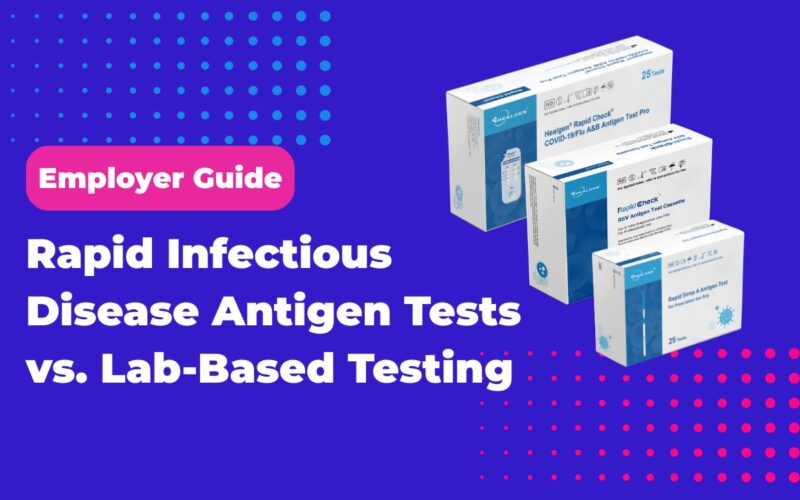
Employers evaluating infectious disease antigen testing often compare rapid test solutions with traditional lab-based methods to determine which approach fits their operational needs. This guide explains how infectious disease antigen testing works, how it differs from lab diagnostics, and how workplace rapid antigen testing programs can support faster decisions, cost control, and workforce continuity.
Quick Summary
- What Is Infectious Disease Antigen Testing?
- What Is Lab-Based Infectious Disease Testing?
- Choosing Between Rapid Antigen Testing And Lab Testing For Your Workplace
- Recommended DTIB Rapid Test Solutions In Bulk
What Is Infectious Disease Antigen Testing?
Infectious disease antigen testing identifies specific proteins (antigens) from viruses or bacteria present in a sample. These tests are commonly used in workplace settings to detect active infections quickly, often within minutes. Unlike antibody tests that measure immune response, infectious agent antigen detection confirms the presence of the pathogen itself.
Benefits Of Workplace Rapid Antigen Testing

Workplace rapid antigen testing provides timely results, often in 10–20 minutes or less, allowing employers to make immediate decisions regarding isolation, staffing adjustments, or confirmatory testing. As part of an effective infectious control plan, these tests support routine screening protocols and help organizations respond quickly to potential workplace exposures.
Key benefits include:
- Fast turnaround time compared to lab processing
- On-site administration options
- Reduced downtime for employees
- Scalable rapid test solutions for multi-location businesses
- Simplified logistics without shipping specimens to laboratories
For industries such as construction, logistics, healthcare, and staffing agencies, rapid antigen test workplace programs help minimize disruption when exposure risks arise.
Limitations Of Rapid Antigen Tests
While infectious disease antigen testing offers speed, sensitivity may be lower than molecular lab-based methods in some scenarios. Rapid antigen detection test (RADT) performance can vary depending on viral load and timing of testing.
Employers should understand:
- Early or late-stage infections may produce weaker antigen levels
- Negative results in symptomatic individuals may require confirmation
- Proper specimen collection impacts reliability
When integrated into a clear workplace protocol, rapid antigen testing remains an effective screening tool.
What Is Lab-Based Infectious Disease Testing?

Lab-based infectious disease testing typically uses molecular techniques, such as PCR, to detect genetic material from pathogens. Samples are collected on-site and transported to certified laboratories for analysis.
These methods are known for high sensitivity and are often used for confirmatory purposes, outbreak investigations, or regulatory requirements.
Accuracy And Reliability Differences
Lab-based testing generally offers higher sensitivity, especially in early stages of infection. However, infectious disease antigen tests provide reliable detection when viral loads are sufficient, and testing is conducted at appropriate times.
The decision between infectious disease antigen testing and lab diagnostics depends on:
- Required turnaround time
- Risk tolerance
- Regulatory guidance
- Workforce exposure level
Many employers use a hybrid approach, combining workplace rapid antigen testing for screening with lab confirmation when needed.
Cost & Operational Impacts
Lab testing involves shipping logistics, processing fees, and longer wait times. These factors may increase indirect costs due to employee absence while awaiting results.
Rapid test solutions typically have:
- Lower per-test operational overhead
- No lab courier fees
- Faster return-to-work decisions
For employers purchasing in volume, bulk rapid antigen test kits can improve cost predictability across large teams.
Choosing Between Rapid Antigen Testing And Lab Testing For Your Workplace

Selecting the right approach requires balancing speed, accuracy, cost, and operational impact. Infectious disease antigen testing works well for routine screening and time-sensitive situations, while lab testing supports confirmatory and compliance-driven needs.
Factors Employers Should Evaluate
Before implementing a rapid antigen test workplace program, employers should review:
- Workforce size and shift structure
- Industry-specific compliance requirements
- Frequency of screening
- On-site medical supervision availability
- Budget and procurement strategy
Clear policies ensure consistent use of infectious agent antigen detection tools.
Practical Implementation Tips
Successful workplace rapid antigen testing programs include:
- Written protocols for positive and negative results
- Defined confirmatory testing pathways
- Employee communication plans
- Secure documentation procedures
Training supervisors or occupational health staff improves accuracy and confidence in administering rapid antigen detection tests (RADTs).
Reducing Disruption And Maintaining Productivity
Speed is often the deciding factor for infectious disease antigen testing in workplaces. Rapid identification of contagious individuals reduces widespread absences and operational slowdowns.
When results are available during the same shift, businesses can adjust staffing immediately rather than wait days for lab reports.
Cost-Effective Screening Strategies
Employers managing high-volume screening can control expenses through strategic purchasing and protocol design.
Rapid Antigen Detection Test (RADT)
A rapid antigen detection test (RADT) identifies infectious disease antigens through immunoassay technology. These kits are designed for point-of-care use and provide visible results without specialized laboratory equipment.
RADT programs are commonly used in:
- High-density workplaces
- Healthcare environments
- Transportation and logistics hubs
- Temporary staffing operations
Recommended DTIB Rapid Test Solutions In Bulk
For organizations implementing workplace rapid antigen testing at scale, sourcing reliable kits in bulk is critical. Drug Tests In Bulk supplies professional-grade rapid test solutions designed for employers, clinics, and occupational health programs. Bulk purchasing supports consistent inventory management while maintaining cost control across screening initiatives. In addition, employers seeking infectious disease antigen testing supplies benefit from wholesale pricing and high-volume availability.
Healgen Rapid Strep A Test Kit – 25/Kit (CLIA Waived)
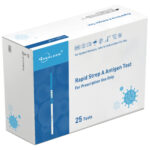
- Detects Group A Streptococcal Antigens
- Easy Throat Swab
- Shelf Life: 24 Months
- CLIA Waived
- Room temperature
- Fast Results (under 5 min)
Healgen Rapid COVID-19 / Flu A&B Antigen Test Cassette (Swab)

- 3-in-1 Covid Flu Test
- Easy Nasal Swab
- Long Shelf Life
- FDA EUA Authorized
- High Accuracy & Reliability
- Fast Results (under 15 min)
Rapid Check™ RSV Antigen Test – 20/kit | CLIA Waived
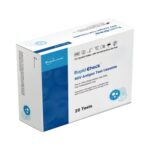
- Detects Respiratory Syncytial Virus (RSV)
- Fast Results (under 15 min)
- Nasal Aspirate
- 510(k) Cleared
- CLIA Waived
- Made in USA
Summary: When Should Employers Use Infectious Disease Antigen Testing
Infectious disease antigen testing is well-suited for rapid workplace screening, exposure response, and routine monitoring programs. When speed and operational continuity are priorities, workplace rapid antigen testing offers practical advantages.
Lab-based diagnostics remain valuable for confirmatory testing and situations requiring higher analytical sensitivity. Many employers adopt a layered strategy that integrates both methods into a comprehensive health and safety protocol.
Frequently Asked Questions About Infectious Disease Antigen Testing for Employers
How accurate are rapid antigen detection tests (RADT) for workplace use?
Rapid antigen detection tests (RADT) provide reliable results when used according to the manufacturer’s instructions and during the appropriate infection stage. Sensitivity may be lower than molecular tests, but they are effective for identifying contagious individuals in workplace settings.
Can rapid antigen tests detect infectious agents before symptoms appear?
Infectious agent antigen detection can identify pathogens during early infection when viral loads are sufficient. However, very early pre-symptomatic stages may yield lower antigen levels, making timing an important factor.
How do bulk rapid antigen test kits benefit employers?
Bulk rapid antigen test kits reduce per-unit costs, simplify procurement, and ensure consistent availability during outbreaks or seasonal spikes. Employers managing multi-site operations often rely on bulk purchasing to maintain screening continuity.
Drug Tests In Bulk (DTIB) bulk purchasing model helps multi-site employers maintain consistent workplace rapid antigen testing programs without supply gaps or last-minute sourcing challenges. With wholesale pricing and inventory structured for business buyers, DTIB supports screening continuity, operational efficiency, and cost control across large teams.
Do workplace rapid antigen tests meet employer compliance requirements?
Compliance depends on local regulations, industry standards, and test authorization status. Employers should verify that selected infectious disease antigen tests meet applicable workplace health guidelines and documentation standards.
What are the methods to detect the presence of specific antibodies or antigens?
Diagnostic methods include antigen detection assays, antibody serology tests, and molecular techniques such as PCR. Antigen tests detect active infections, while antibody tests measure immune response after exposure.