Drug testing is vital to creating a safe, productive, and compliant workplace. While certain industries are legally required to implement drug screening, others choose to do so to protect their employees, reduce liability, and reinforce a drug-free culture. But which organizations truly need drug testing, and who within those organizations is responsible for creating and enforcing these policies?
This guide outlines which businesses and institutions benefit most from drug testing programs and identifies the key roles that decide on, manage, and implement them.
Industries and Organizations That Use Drug Testing
Not all businesses must test employees for drugs, but many do so because of safety risks, regulatory compliance, or productivity goals. Here are some of the most common types of organizations that incorporate drug screening into their policies:
1. Healthcare Providers and Nursing Facilities
Why Healthcare Facilities Need Testing: Healthcare professionals are responsible for patient safety and often have access to controlled substances. Drug use on the job can lead to dangerous mistakes, theft of medication, and serious legal liability.
Common Testing Needs:
-
Pre-employment drug screening
-
Random drug testing
-
Post-incident testing
-
Follow-up testing for treatment compliance
Recommended Test Type: Multi-panel urine tests (10-panel or 13-panel drug test kits) that screen for opioids, benzodiazepines, and synthetic drugs like fentanyl and oxycodone.
2. Rehabilitation Centers and Sober Living Homes
Why Rehabilitation Centers Need Testing: These facilities work with individuals in active recovery, where regular testing helps monitor sobriety and identify relapse early.
Common Testing Needs:
-
Scheduled drug testing
-
Random testing
-
Post-treatment follow-up
Recommended Test Type: Comprehensive 12- or 13-panel urine drug tests with adulterant detection to improve accuracy and prevent tampering.
3. Manufacturing and Construction Companies
Why Manufacturing Facilities Need Testing: Workers in these industries often operate heavy equipment or perform physically demanding tasks. Impairment from drug use can lead to accidents and lost productivity.
Common Testing Needs:
-
Pre-employment testing
-
Post-accident testing
-
Random testing
Recommended Test Type: 10-panel urine drug tests that cover amphetamines, opioids, THC, and other substances that impair motor skills or cognition.
4. Educational Institutions (K–12 and Higher Education)
Why Educational Institutions May Need Testing: While not universally required, some schools implement drug testing policies for staff in high-responsibility roles or students in extracurricular programs. Schools may also use testing in response to behavioral issues or safety incidents.
Common Testing Needs:
-
Pre-employment testing for staff
-
Random testing for students in extracurriculars (where allowed)
-
Reasonable suspicion or incident-based testing
Recommended Test Type: Urine cup tests for cost-effective screening of multiple individuals.
5. Private Companies and Office-Based Employers
Why Private Companies Need Testing: While safety-sensitive roles are less common in office environments, many companies test employees to maintain professional standards and reduce liability, especially for client-facing roles or when there are concerns about theft or impaired performance.
Common Testing Needs:
-
Pre-employment testing
-
Reasonable suspicion testing
-
Return-to-work testing after leave or disciplinary action
Recommended Test Type: 5-panel urine tests to screen for the most common drugs of abuse.
Who Decides on Drug Testing Policies?
In most organizations, a few key departments develop and manage drug testing policies. The exact decision-makers vary by business size and structure, but the following roles are typically involved.
Human Resources (HR) usually leads the creation and enforcement of drug testing policies. HR professionals draft the policy, decide who gets tested and when, ensure compliance with local and federal laws, and keep accurate records of test results. They also coordinate with testing providers and communicate with employees throughout the process.
Safety and Compliance Officers play a big role in industries where workplace safety is a major concern, such as manufacturing or healthcare. These professionals help schedule drug testing after incidents or randomly and ensure testing procedures align with OSHA requirements and industry regulations.
Legal or Risk Management Teams may review drug testing policies to ensure they are legally sound. They provide guidance on responding to positive tests and help the company avoid discrimination or wrongful-termination issues. They also monitor legal developments, such as changes to marijuana laws, that could affect your policy.
Operations or Facility Managers often handle the day-to-day logistics of workplace drug testing. They may train supervisors to recognize signs of impairment, manage test-kit inventory, and ensure everything runs smoothly on-site.
In companies that use external support, Third-Party Administrators (TPAs) may manage the drug testing program. Medical Review Officers (MROs) are licensed physicians who review and confirm positive test results, ensuring legitimate medical explanations (like a prescription) are considered before reporting results to the employer.
Together, these roles form the backbone of a successful drug testing program, balancing employee safety, legal compliance, and fair policy enforcement.
Choosing the Right Test Type for Your Organization
Each workplace has unique needs based on risk factors, job duties, and organizational policies. Here’s a quick guide to test types:
| Test Type | Best For | Detection Window | Notes |
|---|---|---|---|
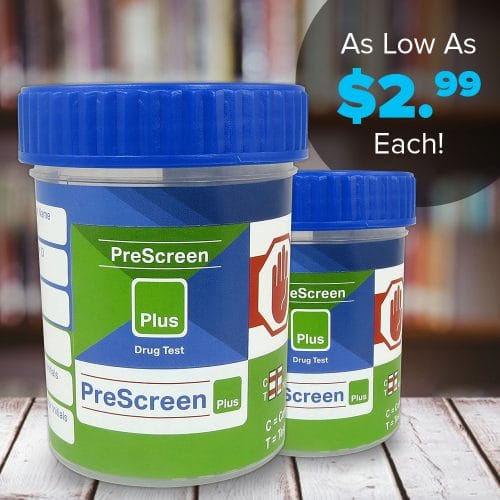
| Urine Cup Tests | Most workplaces, rehab centers, healthcare | 2–30 days depending on substance | High accuracy, built-in adulterant detection options |
| Urine Dip Cards | Schools, offices, and large-volume testing | 2–30 days | Cost-effective, requires a separate collection cup |
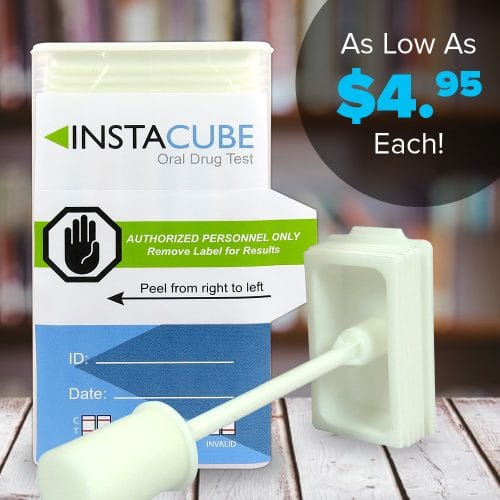
| Saliva Tests | Hospitality, retail, post-incident testing | 12–48 hours | Fast and non-invasive, ideal for recent use detection |
| Fentanyl or Specialty Strips | Rehab, medical, high-risk industries | 1–3 days | Target specific substances with high overdose risk |
Drug testing remains an important practice for many organizations aiming to create safe, productive, and compliant workplaces. From healthcare and construction to education and corporate offices, testing needs vary by industry, but the goals remain consistent: protect employees, reduce risk, and maintain accountability.
HR teams, safety officers, and legal departments typically oversee workplace drug testing policies. DrugTestsInBulk supports employers with reliable urine and saliva drug testing kits in bulk, including 3-panel drug tests and larger multi-panel options. With competitive bulk pricing and a variety of panel configurations, businesses can find cost-effective testing solutions that meet their workplace screening needs.
Ready to build a drug testing program or restock your drug test supply? Explore our wide range of urine drug tests, urine dip cards, and oral swab kits tailored to every type of workplace.