Recovery from substance abuse is a lifelong journey that requires structure, accountability, and ongoing support. For individuals in rehabilitation centers and sober living homes, drug testing is a crucial tool in maintaining sobriety and ensuring a safe environment for recovery. Regular testing helps reinforce the commitment to a drug-free lifestyle, provides accountability, and allows staff to intervene quickly if a relapse occurs. In this blog, we will explore the importance of drug testing in rehabs and sober living homes, the benefits of using reliable drug testing methods, and how facilities can implement effective testing programs with high-quality solutions.
Why Drug Testing is Essential in Rehabs and Sober Living Homes
Rehabilitation centers and sober living homes serve as safe havens for individuals recovering from drug and alcohol addiction. These facilities provide structured environments where residents can focus on their recovery journey without the temptations and triggers of the outside world. However, because addiction is a chronic condition with a high risk of relapse, drug testing plays a crucial role in ensuring compliance with sobriety requirements and maintaining a safe, drug-free environment.
1. Accountability and Reinforcement of Sobriety
Regular drug testing helps individuals in recovery stay accountable to their sobriety goals. Knowing they may be tested at any time reinforces the commitment to stay clean and reduces the temptation to relapse. It also provides peace of mind to other residents in sober living homes who rely on a substance-free environment to focus on their recovery.
2. Early Detection of Relapse
Relapse is a common challenge in the recovery process, and early detection allows rehab centers and sober living homes to provide immediate intervention. If a resident tests positive for drug use, staff can take appropriate action, such as increasing counseling sessions, adjusting treatment plans, or recommending a higher level of care to prevent further relapse.
3. Safety for Residents and Staff
Ensuring a drug-free environment in rehab facilities and sober living homes is essential for the safety of both residents and staff. Substance use within these facilities can create conflicts, increase the risk of overdose, and negatively impact the progress of others in recovery. Drug testing helps maintain a controlled and supportive atmosphere where everyone can focus on healing.
4. Compliance with Facility Rules and Legal Regulations
Many rehab centers and sober living homes are required to conduct regular drug testing as part of their licensing requirements and state regulations. Ensuring compliance with these policies not only protects the facility from legal issues but also reassures families and healthcare providers that their loved ones are in a safe and well-monitored environment.
Types of Drug Testing Used in Recovery Facilities
Rehabilitation centers and sober living homes require reliable, accurate, and cost-effective drug testing methods. The three most common types of drug tests used in these settings are urine drug tests, saliva drug tests, and dip card tests.
1. Urine Drug Tests – Highly Accurate and Widely Used
Urine drug tests are one of the most common testing methods used in recovery facilities due to their accuracy, ease of use, and longer detection window. These tests can detect drug use from several days to weeks, making them ideal for routine screenings.
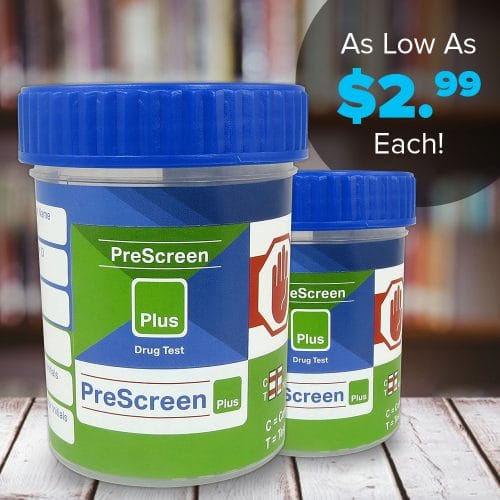
- Recommended Product: Ten Panel PreScreen Plus Cup With Adulterants (CLIA Waived)
- Tests for 10 common substances, including opioids, cocaine, and amphetamines.
- Built-in adulterant detection to prevent tampering.
- CLIA-waived for accuracy and reliability in non-laboratory settings.
- Recommended Product: Five Panel Clear Scan Drug Test Cup (CLIA Waived) – CSC-254
- Tests for five major drug classes.
- Easy-to-use design with fast results.
- Ideal for initial screenings and random drug tests in sober living homes.
2. Urine Dip Card Tests – Affordable and Effective
Urine dip card tests offer a budget-friendly alternative while still providing reliable results. These tests are simple to administer and work well for scheduled testing in rehab facilities.
- Recommended Product: Five Panel PreScreen Plus Dip Card (CLIA Waived)
- Screens for five common drugs of abuse.
- CLIA-waived for high accuracy and compliance.
- Cost-effective option for regular screenings.
- Recommended Product: PreScreen Plus Single Panel Dip Card Drug Test (CLIA Waived)
- Focused testing for one specific drug.
- Useful for confirmatory testing after initial screenings.
3. Saliva Drug Tests – Convenient for Immediate Screening
Saliva drug tests are useful for detecting recent drug use and are often used for random testing or when immediate results are needed. These tests are non-invasive, easy to administer, and difficult to tamper with.
- Recommended Product: Ten Panel Saliva Drug Test with Saliva Indicator
- Detects ten substances, including opioids, benzodiazepines, and marijuana.
- Saliva indicator ensures proper collection.
- Ideal for on-the-spot testing in rehab settings.
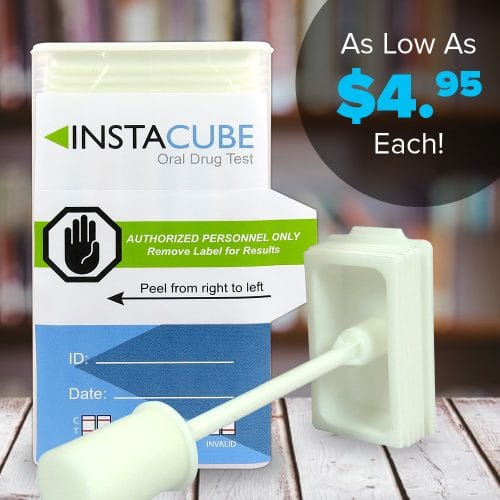
- Recommended Product: Five Panel InstaCube Saliva Drug Test
- Provides fast and accurate results for five common drug categories.
- Perfect for quick screenings in sober living homes.
Best Practices for Implementing Drug Testing in Recovery Facilities
For drug testing to be effective in rehab centers and sober living homes, facilities should establish clear testing policies and follow best practices.
1. Establish a Transparent Drug Testing Policy
- Clearly define how often drug testing will occur (e.g., scheduled, random, or post-incident).
- Inform residents about testing expectations and consequences of positive results.
- Ensure fairness and consistency in testing procedures.
2. Use a Combination of Testing Methods
- Employ a mix of urine, saliva, and dip card tests to cover different detection windows.
- Consider tests with adulterant detection to prevent tampering.
- Use confirmatory testing for positive results when necessary.
3. Maintain Confidentiality and Supportive Intervention
- Handle test results with confidentiality to protect residents’ privacy.
- Offer supportive interventions, such as increased counseling or changes in treatment plans, for residents who test positive.
- Emphasize that testing is a tool for recovery, not punishment.
4. Work with a Trusted Drug Testing Provider
Choosing a reliable supplier ensures that drug tests are accurate, compliant, and cost-effective. We offer a variety of high-quality, CLIA-waived drug testing products designed for rehab centers and sober living homes. With fast shipping and bulk ordering options, facilities can maintain a consistent supply of tests for their programs.
Understanding the Recovery Process and How Regular Drug Testing Can Help
Recovery from substance abuse is a long-term, multi-stage process that requires a combination of medical treatment, behavioral therapy, peer support, and personal commitment. The journey to sobriety is rarely linear—relapse is a common challenge, and overcoming addiction requires structured accountability at every stage. Many individuals in recovery transition from detoxification to inpatient or outpatient rehabilitation, followed by long-term aftercare in sober living homes or community-based support groups. Each stage of recovery presents unique challenges, and regular drug testing can be a powerful tool in reinforcing progress, preventing relapse, and ensuring a safe and supportive environment.
One of the biggest risks in early recovery is the vulnerability to relapse due to withdrawal symptoms, psychological cravings, and environmental triggers. Regular drug testing serves as a strong deterrent, reinforcing an individual’s commitment to sobriety by holding them accountable for their choices. Many rehab centers and sober living homes implement scheduled and random drug testing as part of their structured programs, ensuring that individuals remain compliant with their treatment plans. Testing also acts as an early warning system—if a relapse does occur, staff and support networks can intervene immediately, offering additional counseling, adjusting treatment plans, or recommending a higher level of care before substance use spirals out of control.
Beyond relapse prevention, drug testing also plays a significant role in maintaining the integrity of recovery-focused environments. In sober living homes, one resident’s substance use can put others at risk, triggering cravings or creating an unsafe atmosphere that undermines recovery efforts. Regular drug screening helps protect the overall community, ensuring that all residents are adhering to house rules and maintaining a drug-free space conducive to healing. Furthermore, drug testing helps rebuild trust—both with family members and within the individual’s personal recovery journey. Knowing they are being tested allows individuals to demonstrate their commitment to sobriety, reassuring loved ones and providing them with a tangible sense of progress.
By incorporating drug testing as a standard part of the recovery process, rehab centers and sober living homes create a culture of responsibility, transparency, and support. The goal is not to punish those in recovery, but rather to provide them with the structure they need to succeed. When combined with counseling, peer mentorship, and medical support, drug testing serves as a critical component in helping individuals achieve and maintain long-term sobriety, allowing them to rebuild their lives free from addiction.
Drug testing is a fundamental part of the recovery process in rehab centers and sober living homes. It helps maintain accountability, ensures early relapse detection, and fosters a safe, drug-free environment. By incorporating reliable testing methods such as urine cup tests, dip card tests, and saliva swab tests, facilities can create an effective screening program that supports long-term sobriety. Utilizing high-quality testing products from DrugTestsInBulk.com ensures accuracy, compliance, and ease of administration. With a well-structured drug testing program, recovery facilities can provide the best possible support for individuals on their journey to a healthier, addiction-free life.