Choosing the right drug testing method is one of the most important decisions an employer can make when setting up or updating a workplace drug testing program. Employers often face the question: oral drug tests vs urine tests – which is the better choice? In 2026, two testing methods dominate workplace screening: oral fluid (saliva) tests and urine tests. Both are reliable, but they serve different purposes and offer distinct advantages depending on your organization’s goals, risk level, and operational needs.
This guide compares oral drug tests vs urine to help employers decide which method is best for pre-employment, random, reasonable suspicion, or post-incident screening. It also explains how these tests integrate into workplace workflows and can be paired with DTIB’s instant screening solutions.
What Is an Oral (Saliva) Drug Test?
An oral or saliva drug test uses oral fluid collected from the mouth to detect recent drug use. It has grown popular due to its ease of administration and resistance to tampering.
How Oral Drug Tests Work
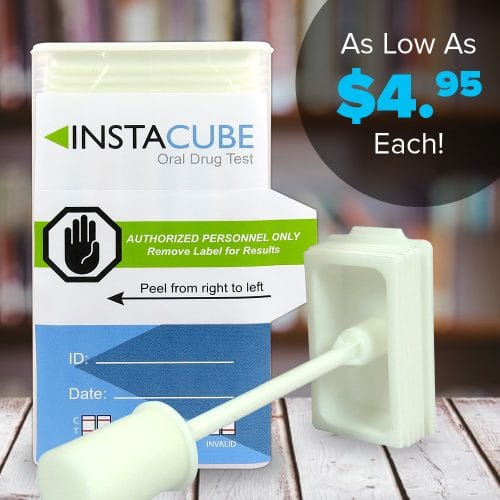
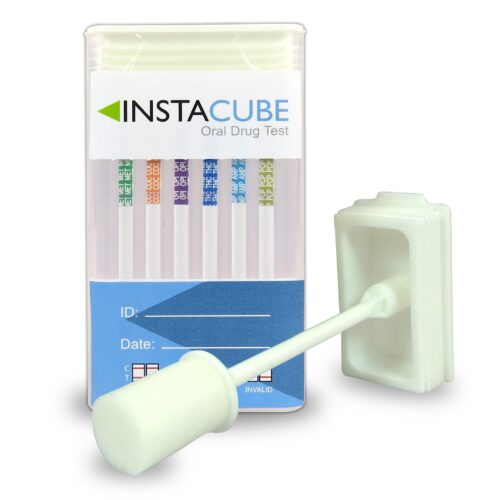
Oral tests use immunoassay screening technology. A swab collects saliva from the lower cheek and gums, and the sample is placed into a rapid screening device for immediate results — such as DTIB’s InstaCube Saliva Tests.
Key characteristics include:
- Detects drugs used within minutes to hours
- Non-invasive and easy to administer
- Works well under direct supervision
- Suitable when immediate screening is required
When Employers Use Oral Tests
Oral fluid drug tests are commonly used for:
- Reasonable suspicion testing, where recent use must be identified
- Post-incident assessments requiring rapid screening
- On-site testing programs without restroom access
- High-tampering-risk roles, where sample integrity must be protected
If an employer wants a more comprehensive saliva option, they may choose a multi-panel device like the Twelve-Panel InstaCube Saliva Drug Test with Alcohol.
Because sample collection happens face-to-face, oral testing significantly limits adulteration, dilution, or substitution.
What Is a Urine Drug Test?
Urine testing is the most widely used drug testing method in workplace environments. It can be used for both instant screening and laboratory-confirmed drug testing, depending on the employer’s needs.
How Urine Drug Tests Work
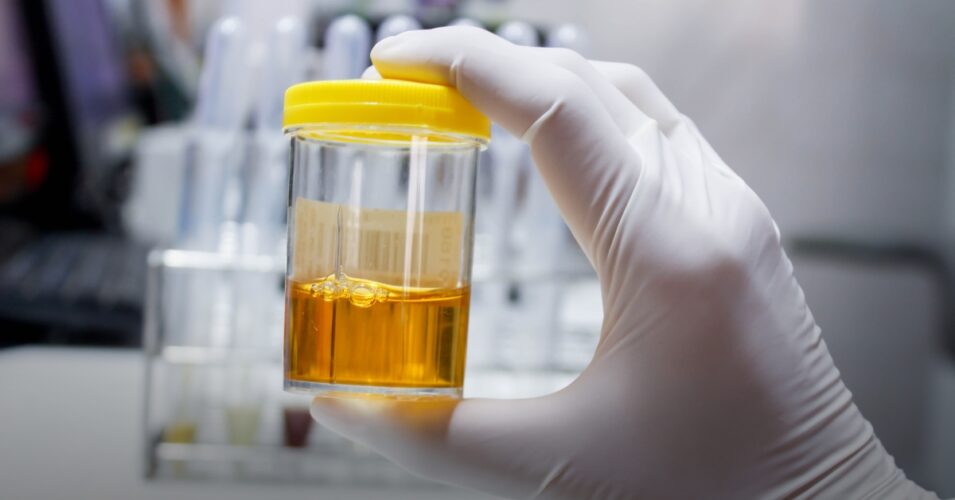
A urine sample is collected in a cup or via a dip card method, and results are produced through immunoassay screening. Urine tests detect drug metabolites, which typically remain in the body longer than the parent drugs detected in saliva.
Key characteristics include:
- Longer detection window
- Wide availability of multi-panel configurations
- Compatible with laboratory confirmation
- Cost-effective for routine or high-volume testing
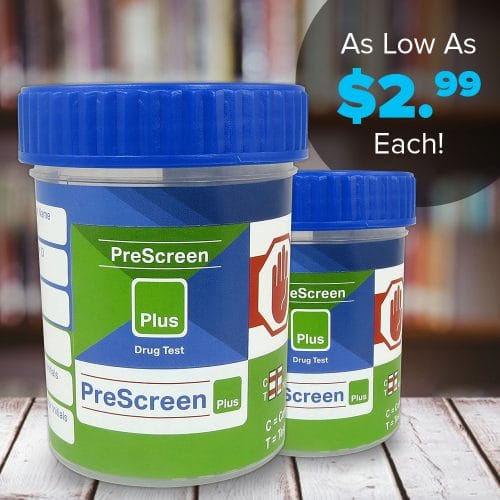
Employers often rely on urine test cups or dip cards for broad detection and quick results.
When Employers Use Urine Tests
Urine drug testing is ideal for:
- Pre-employment screening
- Random workplace testing
- Safety-sensitive job roles
- Programs requiring multi-panel detection coverage
- Workflows requiring lab confirmation
Urine tests detect substances over a longer period, making them useful for identifying patterns of drug use instead of only recent consumption.
Multi-panel instant options include:
Key Differences: Oral Drug Tests vs Urine Drug Tests
Comparing oral drug tests vs urine tests helps employers choose the right approach based on their goals.
1. Detection Window
Oral Fluid
- Detects drug use within minutes to several hours
- Some substances are detectable up to 24–48 hours
- Best for identifying immediate or very recent use
Urine
- Detects drug metabolites for several hours to several days
- THC metabolites may remain detectable longer
- Best for identifying ongoing or historical use
2. Accuracy
Both methods are accurate, but they specialize differently.
Oral Fluid Accuracy
- Highly accurate for detecting recent drug use
- Strong option when testing for impairment or on-duty use
Urine Test Accuracy
- Reliable for detecting a broad range of substances
- Easily paired with lab confirmation for legally defensible results
Most employers use oral or urine instant screens first and send presumptive positives for confirmatory lab testing when required.
3. Ease of Administration
Oral Tests
- No restroom required
- Directly observable
- Fast and simple collection
- Ideal for mobile or field testing
Urine Tests
- Requires a restroom or controlled environment
- May require supervision to prevent tampering
- Slightly longer collection process
For convenience and supervision, oral tests provide a clear advantage.
4. Tampering and Adulteration Risk
- Oral tests: Very low tampering risk because the sample is collected in plain view.
- Urine tests: Moderate risk unless supervised. Adulteration, dilution, or substitution are more common concerns.
Employers prioritizing sample integrity often choose oral tests for suspicion-based or on-site programs.
5. Substances Detected
Both oral and urine tests can screen for multiple substances through multi-panel screening options.
Oral Tests
- Detect drugs almost immediately after use
- Best for current or recent use detection
Urine Tests
- Detect metabolites long after consumption
- Offer the widest range of multi-panel configurations
- Common choice for pre-employment programs
Urine tests remain the preferred method for broad substance coverage.
6. Turnaround Time
- Oral tests: Instant-screen results in minutes
- Urine tests: Instant screens are also available, with optional lab confirmation
Most employers use instant rapid screens in both formats and only send presumptive positives for confirmatory testing when necessary.
7. Cost Considerations
- Oral screening devices may cost slightly more due to convenience and tamper resistance
- Urine screens are typically the most cost-effective option for high-volume testing programs
Employers choosing between the two usually consider:
- Number of tests per month
- Risk level of job roles
- Need for supervised collection
Oral Drug Tests vs Urine Tests: Which Is More Accurate for the Workplace?
Accuracy depends on what the employer needs to detect.
Oral Fluid Accuracy Strengths
- Detects very recent drug use, often within minutes
- Provides a reliable method to determine immediate impairment or on-duty use
- Harder to adulterate
Urine Accuracy Strengths
- Detects drugs for a longer period
- Shows patterns of drug use rather than only immediate consumption
- Compatible with confirmatory laboratory workflows
Both methods are accurate, but their accuracy applies to different detection goals.
When Employers Should Choose Oral Fluid Testing
Oral testing is typically the best option when:
- The test must be administered on-site
- The employer must observe the sample collection
- Tampering is a major concern
- Testing must determine very recent drug use
- Roles involve immediate safety risks
It is also an excellent choice for:
- Field teams
- Transportation jobs
- Construction sites
- Emergency response roles
When Employers Should Choose Urine Testing
Urine testing is preferred when:
- The goal is to identify ongoing or past drug use
- A wider detection window is useful
- Multi-panel detection is required
- Confirmatory laboratory workflows are in place
- The workplace conducts large-volume routine testing
Urine testing remains the standard in many industries because it balances affordability, accuracy, and detection breadth.
Marijuana Detection: Oral Drug Tests vs Urine Drug Tests
Oral Fluid THC Detection
Oral tests detect THC shortly after use. This makes them suitable for assessing whether an individual recently consumed cannabis.
Urine THC Detection
Urine tests detect THC metabolites for a longer period, making them suitable for identifying patterns of use even if consumption occurred days prior.
Employers should choose based on what matters more:
- Recent use (oral)
- Past use (urine)
Comparison Table: Oral Drug Tests vs Urine Tests
| Feature | Oral Fluid Test | Urine Test |
| Detection Window | Very recent use | Hours to days after use |
| Accuracy | High for recent-use detection | High for broad, longer detection |
| Ease of Collection | Very easy, no restroom needed | Requires a restroom or a controlled area |
| Tampering Risk | Very low | Moderate if unsupervised |
| Substances Detected | Moderate to broad panels | Broadest range of panels |
| Turnaround Time | Instant screen | Instant screen or lab confirmation |
| Best For | On-site, suspicion, immediate testing | Pre-employment, random testing, safety roles |
Recommended DTIB Products for Each Test Type
Employers can build a complete program using DTIB’s screening solutions.
Oral Fluid Screening Options
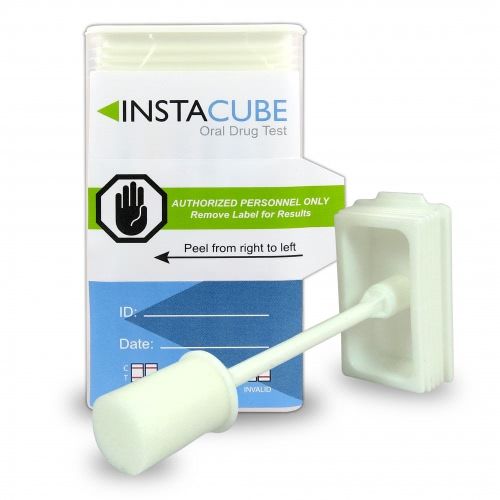
DTIB offers oral drug screening devices that are:
- Easy to administer
- Designed for supervised collections
- Available in multiple panel configurations
- Ideal for immediate or on-site testing
Explore saliva testing options here: Instacube saliva tests
Urine Screening Options
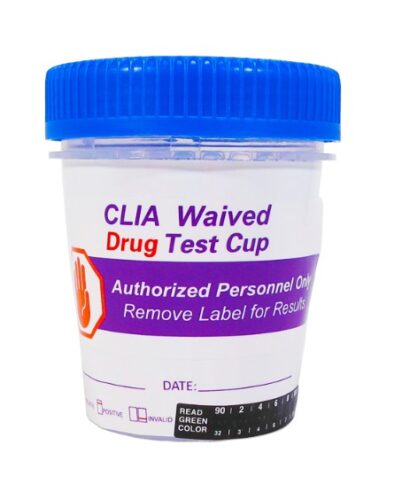
DTIB’s urine drug testing solutions include:
- Multi-panel urine test cups
- Urine dip cards for high-volume programs
- Screening formats compatible with confirmatory workflows
These products support fast, efficient screening before any lab confirmation is required.
Browse workplace-ready urine test formats:
Conclusion
Both oral and urine drug tests offer unique advantages for workplace programs:
- Oral tests: Fast, supervised, tamper-resistant, ideal for on-site or suspicion-based testing.
- Urine tests: Longer detection window, broader panels, cost-effective for large-scale programs.
Many employers use both oral tests for immediate or on-duty evaluations and urine tests for routine or historical screening.
For reliable and workplace-ready solutions, employers can explore DTIB’s comprehensive range of oral and urine screening options to build a consistent, accurate, and compliant drug testing program.
FAQs: Oral Drug Tests vs Urine Tests
Is an oral drug test as accurate as a urine drug test?
Yes. Oral tests are highly accurate for detecting recent use, while urine tests are more accurate for identifying past use.
What is the difference between a saliva and a urine drug test?
Saliva tests detect very recent drug use. Urine tests detect metabolites stored in the body for longer periods.
How long do drugs stay detectable?
- Saliva: Minutes to 24–48 hours
- Urine: Several hours to days, depending on the substance and metabolism
Does a saliva test detect marijuana?
Yes. It detects THC shortly after use.
Which test is better for workplace testing?
It depends. Oral tests are best for immediate detection, while urine tests are ideal for broader detection windows.
Can saliva tests be used for pre-employment screening?
Yes, especially when employers want supervised, tamper-resistant screening.
Are urine tests easier to tamper with?
Yes, if unsupervised. Oral tests reduce this risk.