Drug testing is an essential tool for employers, rehabilitation centers, law enforcement, and individuals who need to monitor substance use. However, one of the most common questions about drug testing is: How long do drugs stay in your system? The answer depends on several factors, including the type of drug, the frequency of use, metabolism, and the method of testing.
In this guide, we’ll break down drug detection windows based on different testing methods—including urine, saliva, and hair tests—and explore how these factors impact detection times. Whether you’re an employer looking to maintain a drug-free workplace, a rehab center needing to track patient progress, or an individual preparing for a drug test, this article will provide the detailed information you need.
How Drug Testing Works and Factors Affecting Detection Time
The length of time a drug stays in the system varies based on:
- Type of Drug: Different drugs break down at different rates in the body.
- Frequency of Use: Occasional users clear substances faster than chronic users.
- Metabolism: Faster metabolisms eliminate drugs more quickly.
- Body Fat: THC (marijuana) is fat-soluble and stays in the body longer for those with higher body fat.
- Hydration & Diet: Dehydration can concentrate drug metabolites, extending detection times.
- Testing Method: Urine tests detect drugs longer than saliva tests, while hair tests provide the longest detection window.
How Long Different Drugs Stay in Your System
Below is a detailed breakdown of drug detection times based on urine, saliva, and hair tests:
| Drug | Urine Test Detection Window | Saliva Test Detection Window | Hair Test Detection Window |
|---|---|---|---|
| Marijuana (THC) | 3-30 days (occasional users: 3-7 days, chronic users: 30+ days) | Up to 24 hours | Up to 90 days |
| Cocaine | 2-4 days | 24-48 hours | Up to 90 days |
| Opiates (Heroin, Morphine, Codeine) | 2-4 days | 24-48 hours | Up to 90 days |
| Fentanyl | 24-72 hours | 1-2 days | Up to 90 days |
| Methamphetamine (Meth, Amphetamines) | 3-5 days | 1-3 days | Up to 90 days |
| Benzodiazepines (Xanax, Valium, Klonopin, Ativan) | 3-7 days (up to 6 weeks for heavy use) | 24-48 hours | Up to 90 days |
| MDMA (Ecstasy, Molly) | 1-3 days | 24-48 hours | Up to 90 days |
| Barbiturates | 2-7 days | 1-2 days | Up to 90 days |
| Methadone | 2-7 days | 24-48 hours | Up to 90 days |
| Buprenorphine (Suboxone, Subutex) | 4-7 days | 1-3 days | Up to 90 days |
| Oxycodone | 2-4 days | 1-2 days | Up to 90 days |
| PCP (Phencyclidine) | 7-14 days | 1-3 days | Up to 90 days |
| Alcohol | 12-24 hours | 12-24 hours | Not typically detected in hair tests |
Comparison of Drug Testing Methods
Each drug testing method has different advantages depending on the situation:
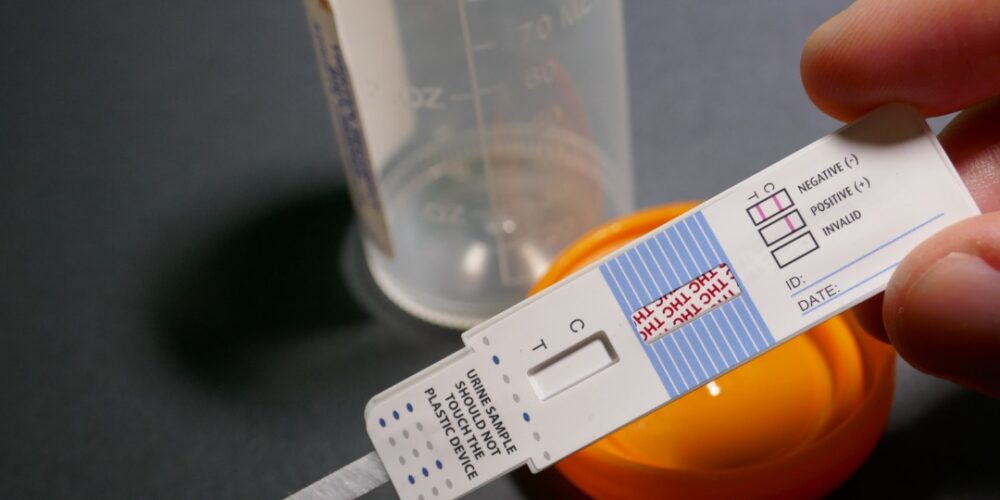
1. Urine Drug Testing: Most Common and Cost-Effective
- Best for: Workplace drug screening, rehabs, law enforcement, probation programs.
- Detection Window: Covers drug use in the past 2-30 days, depending on the substance.
- Accuracy: High accuracy, especially for frequent drug use.
- Recommended Products:
- Ten Panel PreScreen Plus Cup With Adulterants (CLIA Waived) – Screens for 10 substances and includes adulterant detection to prevent tampering.
- Five Panel Clear Scan Drug Test Cup (CLIA Waived) – CSC-254 – Ideal for quick, reliable workplace testing.
2. Saliva Drug Testing: Best for Detecting Recent Drug Use
- Best for: Post-accident testing, roadside law enforcement, on-the-spot workplace testing.
- Detection Window: Identifies drug use within the last 12-48 hours (best for recent use).
- Accuracy: Harder to tamper with than urine tests.
- Recommended Products:
- Ten Panel Saliva Drug Test with Saliva Indicator – Covers a wide range of substances and is ideal for detecting recent use.
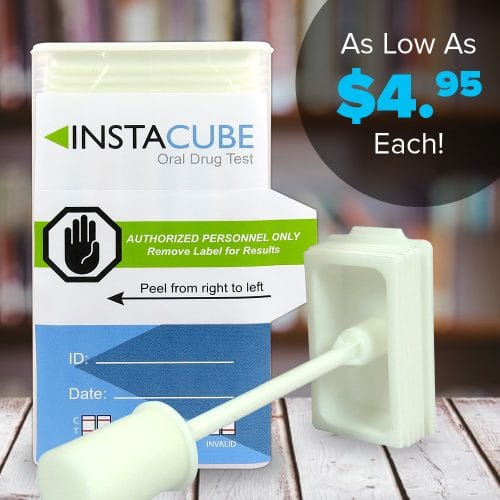
- Five Panel InstaCube Saliva Drug Test – Easy-to-use for workplaces and healthcare settings.
3. Hair Drug Testing: Longest Detection Window
- Best for: Detecting long-term drug use in pre-employment screening, law enforcement, and rehab facilities.
- Detection Window: Identifies drug use up to 90 days prior.
- Accuracy: Extremely reliable, but does not detect recent use.
Factors That Can Influence Drug Detection Time
- Hydration Levels: Drinking large amounts of water can sometimes dilute urine samples.
- Body Fat Percentage: Drugs like THC store in fat cells, leading to longer detection times.
- Metabolism: People with faster metabolisms eliminate drugs more quickly.
- Chronic Use vs. One-Time Use: Occasional users will clear substances faster than daily users.
- Testing Sensitivity: More advanced tests can detect drugs at lower levels, extending detection times.
Best Practices for Drug Testing
- Use a Combination of Tests: Many employers and rehab facilities use both urine and saliva tests to detect recent and past drug use.
- Choose Tests with Adulterant Detection: Some individuals attempt to tamper with samples, so using tests that check for adulterants increases reliability.
- Ensure Proper Sample Collection: Train staff to collect and handle samples correctly to prevent errors.
- Follow Legal and Compliance Guidelines: Ensure that your drug testing policies follow state and federal laws to protect both the employer and the individual being tested.
Understanding how long drugs stay in the system is essential for employers, rehab centers, law enforcement, and individuals preparing for drug tests. The detection window varies based on the substance, testing method, and individual factors such as metabolism and frequency of use. Urine drug tests are the most common, offering cost-effective and accurate results for past drug use. Saliva tests provide a shorter detection window but are excellent for identifying recent drug use. Hair tests offer the longest detection period, making them ideal for identifying long-term substance use.
Choosing the right drug testing method depends on the specific needs of your workplace, rehab facility, or organization. DrugTestInBulk provides a wide range of high-quality drug tests to help you implement reliable and effective screening programs.