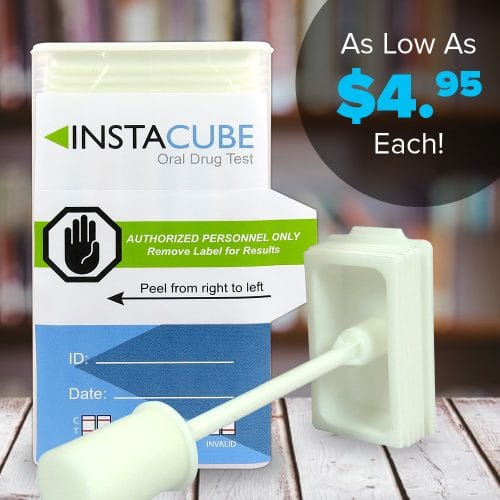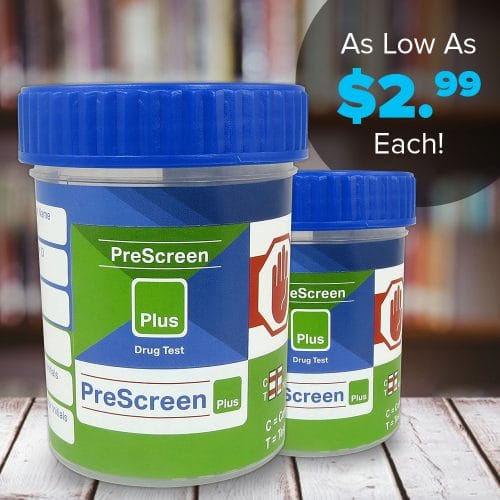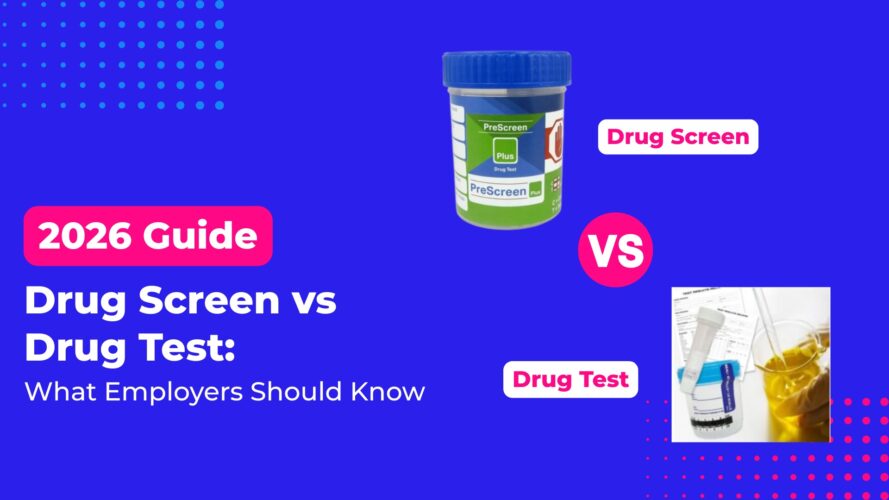
Workplace drug testing is a core part of modern hiring and safety programs. However, many employers use the terms drug screen and drug test interchangeably, even though they serve different purposes. Understanding the difference between Drug Screen vs Drug Test helps employers make defensible hiring decisions, reduce liability, and maintain consistent testing protocols.
This guide explains how drug screens and confirmatory drug tests work, when each should be used, and how they fit together in a professional workplace testing workflow. All examples refer to testing formats commonly used in employer programs and supported by the instant screening products we provide.
What Is a Drug Screen?
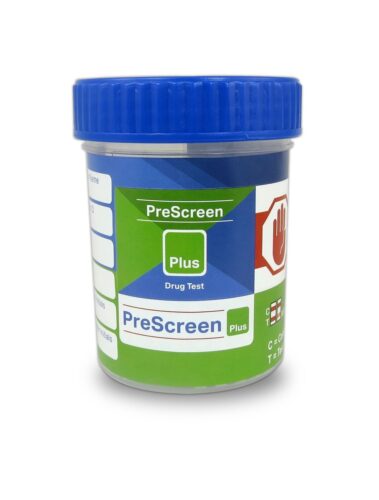
A drug screen is an initial, rapid test that provides a preliminary result. It is typically conducted using immunoassay technology, which reacts to specific drug groups or metabolites. These tests are fast, making them ideal for employers needing immediate information.
How Drug Screens Work
Drug screens detect whether a substance exceeds a predetermined cutoff level. If it does, the test produces a presumptive positive. Screens are designed for speed, so false positives or inconclusive results may occasionally occur.
Common formats include:
DTIB offers a wide range of screening products, including multi-panel urine cups and oral fluid test kits designed specifically for workplace use.
When Employers Use Drug Screens
Drug screens are appropriate for:
- Pre-employment assessments
- Random testing programs
- Large-volume screening in non-regulated workplaces
- Routine, low-cost monitoring
- Situations requiring immediate results
Because drug screens are inexpensive and easy to administer, they form the foundation of most workplace drug testing programs. For HR-specific strategies, refer to Drug Screening for Human Resource Professionals.
What Is a Drug Test (Confirmatory Test)?
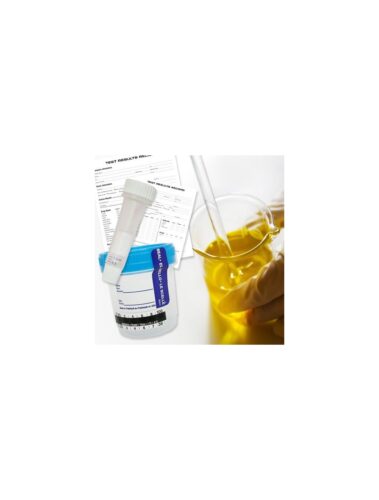
A drug test refers to a confirmatory laboratory test performed after a presumptive positive screen. These tests use advanced methods such as GC/MS (Gas Chromatography/Mass Spectrometry) or LC/MS (Liquid Chromatography/Mass Spectrometry) to accurately identify specific substances.
How Confirmatory Drug Tests Work
Confirmatory tests identify the exact drug molecules present and measure them with high precision. This eliminates false positives and provides legally defensible results for employment decisions.
These tests are used by employers who require:
- High accuracy
- Definitive identification of specific substances
- Legally defensible documentation
- Final decisions after a positive screen
When Employers Use Confirmatory Tests
Confirmatory drug testing is recommended for:
- Post-accident investigations
- Safety-sensitive or high-liability roles
- Return-to-duty determinations
- Disputed or contested screening results
- Cases involving potential termination
In a complete workflow, the screen comes first, and only if necessary, the confirmatory test follows.
Key Differences Between Drug Screen vs Drug Test
Although both are part of workplace testing programs, drug screen vs drug test differ significantly in purpose, accuracy, methodology, and cost.
| Feature | Drug Screen | Drug Test (Confirmatory) |
| Purpose | Preliminary results | Final, definitive results |
| Accuracy | Fast, reliable for screening | Highly precise |
| Detection Technology | Immunoassay | GC/MS or LC/MS lab analysis |
| Turnaround Time | Minutes | One to several days |
| Legal Standing | Not legally defensible alone | Legally defensible |
| Cost | Low | Higher |
| Use Case | Pre-employment, random testing | Post-accident, disputed cases |
Common Employer Misunderstandings About Drug Screen vs Drug Test
A Positive Screen Is Not a Final Result
A presumptive positive on a drug screen does not confirm drug use. It simply indicates that the sample requires further testing.
Employers Should Not Take Action Based on Screens Alone
Employment decisions should be based on a confirmatory test. Acting on a screen alone exposes employers to unnecessary risk.
Confirmatory Tests Eliminate False Positives
Because laboratory tests pinpoint specific molecules, they eliminate the uncertainty present in rapid screening.
Misconceptions in Online Discussions
Many online discussions mistakenly treat screens as final. Employers must understand drug screen vs drug test roles in a professional workflow.
Practical Examples of Drug Screen vs Drug Test for Employers
Pre-Employment
In non-regulated workplaces, most organizations use instant screens for initial evaluation. A confirmatory test is only ordered if the initial screen is presumptive positive. Read more about pre-employment drug testing programs.
Post-Accident
Employers should always follow a two-step process:
- screen immediately to establish preliminary information
- confirm through a certified laboratory.
Safety-Sensitive Roles
Positions involving machinery, driving, or public safety often require immediate screening followed by mandatory confirmatory tests.
Marijuana-Specific Considerations
Because of cutoffs and detection windows, THC screening results must always be confirmed by laboratory testing before determining outcomes.
5-Panel vs 10-Panel: Screening vs Testing Considerations
Panel count influences what substances are included in both screens and tests.
- A 5-panel screen is often sufficient for general employment.
- A 10-panel or higher screen is used in workplaces with higher safety concerns or broader drug policies.
Employers must ensure that confirmatory tests use the same or broader coverage as the initial screen.
Drug Screen vs Urine Test: Correcting Terminology
Many employers mistakenly believe a urine test is automatically a confirmatory test. In reality:
- A drug screen can be urine-based or saliva-based.
- A urine test can refer to either a rapid screen or a confirmatory test.
- The correct terminology depends on whether the results are preliminary or final.
Understanding these distinctions helps employers set accurate expectations and policies.
Cost Comparison: Drug Screen vs Drug Test
- Screening: Low cost, ideal for high-volume testing.
- Confirmatory testing: Higher cost due to specialized equipment, analysis, and reporting, but necessary for legal and safety-sensitive decisions.
- Efficient workflow: Use DTIB instant screens first; confirm only positives in a lab.
When Employers Should Use a Drug Screen
- Fast decision-making
- High-volume or routine testing
- Random workplace programs
- Non-regulated roles
- Early-stage hiring processes
When Employers Should Use a Drug Test (Confirmatory)
- After any presumptive positive
- Post-accident investigation
- Safety-critical job functions
- When final employment decisions rely on accuracy
- When employees dispute screen results
- Federal and DOT-regulated workplaces
Comparison Table: Drug Screen vs Drug Test
| Feature | Drug Screen | Drug Test (Confirmatory) |
| Purpose | Preliminary results | Final, definitive results |
| Method | Immunoassay | GC/MS or LC/MS |
| Accuracy | High for screening | Extremely precise |
| Turnaround Time | Minutes | One to several days |
| Legal Standing | Not conclusive | Legally defensible |
| Cost | Low | Higher |
| Use Case | Pre-employment, random testing | Post-accident, disputed cases |
Recommended Screening Solutions
Employers can build a complete testing workflow using products such as:
Instant Screening Options
These provide rapid results and work as the first line of testing in workplace programs.
Confirmatory Workflow Compatibility
DTIB’s urine and saliva test formats are designed to work seamlessly in screening-first, confirm-second workflows, allowing employers to send presumptive positives for laboratory confirmation when needed.
Conclusion: Drug Screen vs Drug Test
Understanding drug screen vs drug test is essential for accurate, defensible workplace testing. Screens provide rapid, preliminary information that helps employers make quick, cost-effective decisions. Confirmatory laboratory tests provide precise, defensible results required for final employment decisions.
Employers should build a consistent two-step testing workflow, beginning with DTIB instant screens and relying on confirmatory laboratory tests only when necessary. This approach ensures fairness, accuracy, and compliance across the organization.
Frequently Asked Questions: Drug Screen vs Drug Test
What is the difference between a drug screen and a drug test?
A drug screen is a preliminary check using immunoassay technology, while a drug test refers to a confirmatory laboratory analysis that provides definitive results.
Is drug screening the same as a urine test
A drug screen can be conducted through urine, saliva, or other specimens. A urine test can refer to either a screen or a confirmatory test, depending on context.
What do pre-employment drug tests look for
Most pre-employment screens test for common substances such as amphetamines, opioids, cocaine, THC, and more, depending on panel size.
Can a urine drug test show how much someone used?
No. Confirmatory tests can identify the presence and concentration, but they cannot reliably measure how much a person consumed.
Why do drug screens produce false positives?
Screens detect drug classes, not exact molecules. A confirmatory test is required to eliminate false positives and provide final results.
Does a drug screen detect marijuana?
Yes, if THC is included in the panel. Confirmatory testing is used for final verification.