Drug testing is a crucial tool for maintaining a safe, compliant, and drug-free workplace. However, selecting the right drug test depends on several factors, including the types of substances you need to screen for, the testing method (urine, saliva), and the specific needs of your organization. Whether you’re screening for commonly abused substances like marijuana and cocaine or more specialized drugs such as fentanyl or synthetic opioids, having the right drug test ensures accuracy and reliability. In this guide, we’ll break down which drug tests to buy for detecting specific drug classes and recommend the best products from DrugTestsInBulk.com.
1. Understanding Drug Classes and Their Importance in Testing
Drugs are classified into different categories based on their effects, chemical structure, and legal status. Common drug classes tested in workplace, rehab, and healthcare settings include:
- Marijuana (THC)
- Cocaine (COC)
- Opiates (OPI) – Heroin, Morphine, Codeine
- Synthetic Opioids – Fentanyl (FYL), Oxycodone (OXY), Buprenorphine (BUP)
- Amphetamines (AMP) – Methamphetamine (mAMP), Ecstasy (MDMA)
- Benzodiazepines (BZO) – Xanax, Valium, Klonopin
- Barbiturates (BAR)
- Methadone (MTD)
- Phencyclidine (PCP)
- Synthetic Cannabinoids (K2/Spice)
- Alcohol (ALC)
Different industries require different levels of drug screening.
2. What Test to Buy for Specific Drug Classes
The type of test you choose should align with your needs. Below is a breakdown of which tests to buy for detecting specific drug classes.
Five-Panel Drug Tests (Standard Workplace Testing)
- Detects THC, COC, OPI, AMP, PCP
- Best for: General workplace drug testing, pre-employment screening
- Recommended Product: Five Panel Clear Scan Drug Test Cup (CLIA Waived) – CSC-254
- Fast results
- CLIA waived for accuracy
- Ideal for employers conducting routine screenings
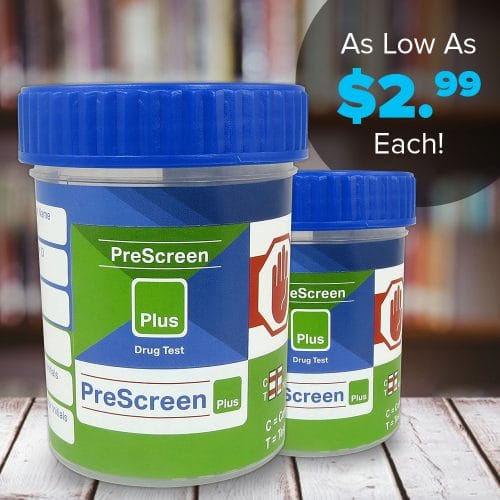
- Alternative Dip Card Option: Five Panel PreScreen Plus Dip Card (CLIA Waived)
- Affordable and easy to use
- Suitable for pre-employment and random testing
Ten-Panel Drug Tests (Comprehensive Testing for Broader Substance Detection)
- Detects THC, COC, OPI, AMP, PCP, BZO, BAR, MTD, mAMP, MDMA
- Best for: Healthcare, rehabilitation centers, high-risk workplaces
- Recommended Product: Ten Panel PreScreen Plus Cup With Adulterants (CLIA Waived)
- Includes adulterant detection to prevent tampering
- Covers a wider range of substances
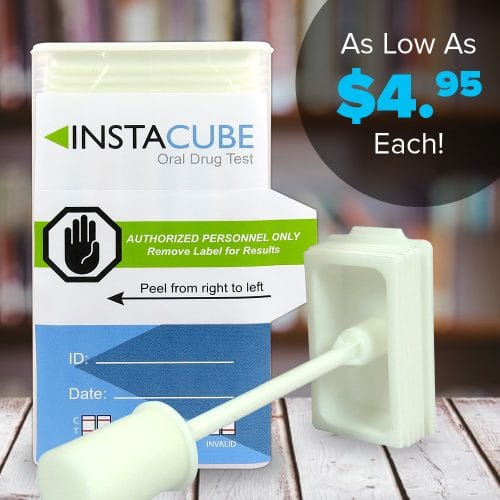
- Alternative Saliva Option: Ten Panel Saliva Drug Test with Saliva Indicator
- Non-invasive and easy to administer
- Detects recent drug use (24-48 hours)
Twelve- to Fourteen-Panel Drug Tests (Most Comprehensive Screening)
- Detects THC, COC, OPI, AMP, PCP, BZO, BAR, MTD, mAMP, MDMA, OXY, BUP, FYL, Synthetic Cannabinoids (K2/Spice)
- Best for: Rehab centers, addiction treatment programs, law enforcement, high-security workplaces
- Recommended Product: Fourteen Panel PreScreen Plus Cup With Adulterants (CLIA Waived)
- Detects synthetic opioids like Fentanyl (FYL) and Buprenorphine (BUP)
- Includes adulterant detection to prevent sample tampering
Specialty Drug Tests (Fentanyl, Synthetic Opioids, K2/Spice, Alcohol)
- Fentanyl (FYL): A growing issue in overdose cases and illicit drug use
- Best for: Rehab centers, probation offices, emergency rooms
- Recommended Test: Fentanyl (FYL) Test Strip for Urine Drug Screening
- Synthetic Cannabinoids (K2/Spice): Hard to detect with standard tests
- Best for: Law enforcement, rehab centers, workplaces with strict drug-free policies
- Recommended Test: Synthetic Cannabinoid (K2) Urine Test
- Alcohol (ALC): For immediate detection of alcohol consumption
- Best for: Post-accident testing, workplace safety, DUI screenings
- Recommended Test: Saliva Alcohol Test Strip
3. Factors to Consider When Choosing a Drug Test
Testing Method
- Urine tests – Most common, cost-effective, broad detection window
- Saliva tests – Non-invasive, detects recent drug use
- Dip card tests – Budget-friendly for routine screenings
- Lab-based tests – Used for confirmatory testing and legal cases
Detection Window
- Saliva drug tests: 24-48 hours (best for recent use)
- Urine drug tests: 3-30 days (varies by substance)
- Hair drug tests: Up to 90 days (longest detection window)
Compliance Requirements
- Rehabilitation centers – Require ten- to fourteen-panel tests
- Random workplace testing – May require multi-panel urine or saliva tests
Choosing the right drug test depends on the drug classes you need to detect, the testing method, and the industry you operate in. Five-panel tests are ideal for general workplace drug screenings, while ten- and fourteen-panel tests are best for industries that require broader drug detection. Specialty tests for fentanyl, synthetic cannabinoids, and alcohol provide targeted screening for specific concerns. By selecting the right product from DrugTestsInBulk.com, businesses, rehab centers, and healthcare providers can ensure accurate, reliable, and compliant drug testing.