Drug testing plays a crucial role in maintaining safety, compliance, and productivity in many industries. While some businesses are legally required to conduct drug testing, others implement screening programs to protect their workforce and ensure a drug-free environment. But which organizations truly need drug testing, and who within those organizations is responsible for setting and enforcing these policies? In this blog, we’ll explore the industries that commonly require drug testing, the key decision-makers involved, and how drug testing programs are implemented effectively.
Industries That Require Drug Testing
Different industries have varying levels of drug testing requirements, often based on safety concerns, legal mandates, or company policies. Below are the main sectors where drug testing is essential:
Healthcare & Nursing Facilities
- Why They Need Testing: Healthcare workers must be alert and unimpaired to ensure patient safety. Hospitals, nursing homes, and rehabilitation centers regularly test staff to prevent drug diversion and impairment.
- Common Tests Used: Ten-panel or fourteen-panel drug tests that include opioids, benzodiazepines, and synthetic drugs.
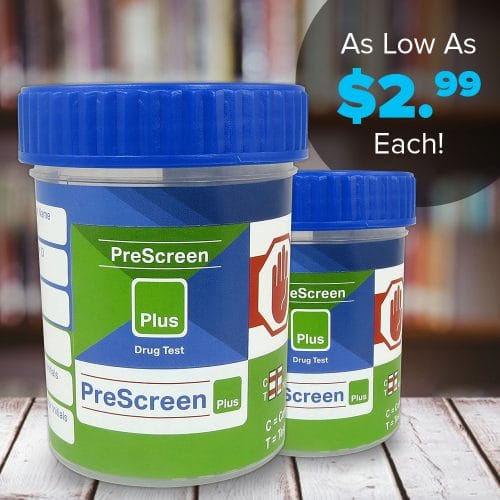
- Recommended Product: Fourteen Panel PreScreen Plus Cup With Adulterants (CLIA Waived)
Manufacturing & Construction
- Why They Need Testing: Employees in these industries often operate heavy machinery or perform physically demanding work. Drug use can lead to workplace accidents, injuries, and fatalities.
- Common Tests Used: Pre-employment drug testing and random screenings for common substances that impair cognitive and motor functions.
- Recommended Product: Ten Panel PreScreen Plus Cup With Adulterants (CLIA Waived)
Law Enforcement & Government Agencies
- Why They Need Testing: Police officers, correctional officers, and government employees often have high-risk responsibilities that require full alertness and compliance with federal regulations.
- Common Tests Used: Urine and saliva drug tests for on-the-spot and routine screenings.
- Recommended Product: Ten Panel Saliva Drug Test with Saliva Indicator
Corporate Offices & Financial Institutions
- Why They Need Testing: While not required by law, many corporate offices conduct pre-employment drug testing to maintain a professional work environment and reduce liability.
- Common Tests Used: Five-panel urine drug tests for screening job candidates.
- Recommended Product: Five Panel PreScreen Plus Dip Card (CLIA Waived)
Hospitality, Retail, & Customer Service
- Why They Need Testing: Drug impairment can lead to poor customer interactions, increased theft, and lower productivity. Many employers in these industries conduct reasonable suspicion and post-accident testing.
- Common Tests Used: Saliva tests for quick results and urine tests for comprehensive screenings.
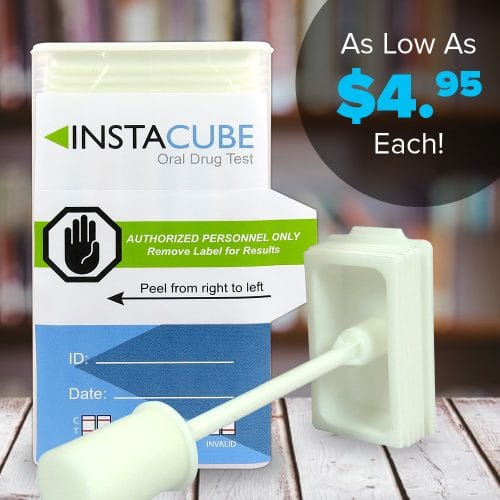
- Recommended Product: Five Panel InstaCube Saliva Drug Test
Who Decides and Implements Drug Testing Policies?
Each organization’s drug testing program is shaped by specific roles responsible for policy creation, enforcement, and execution. These roles typically include:
Human Resources (HR) Managers & Directors
- Primary Decision-Makers in corporate and mid-sized businesses.
- Responsible for developing drug-free workplace policies, handling employee screenings, and ensuring compliance with local and federal laws.
- Works closely with third-party drug testing providers and ensures fair testing procedures.
Safety & Compliance Officers
- Common in regulated industries such as transportation, manufacturing, and healthcare.
- Ensure that drug testing aligns with your industry-specific safety standards.
- Oversee random drug testing programs to maintain workplace safety.
Legal & Compliance Teams
- Ensure drug testing policies comply with state and federal laws to avoid legal liabilities.
- Provide guidance on reasonable suspicion testing and handling positive results properly.
Operations & Facility Managers
- Found in industries like construction, warehousing, and law enforcement.
- Implement drug testing at the facility level and coordinate with HR for on-site testing.
- Often responsible for ordering and maintaining drug testing supplies.
Medical Review Officers (MROs)
- Licensed physicians who review and verify positive drug test results.
- Often work in healthcare settings, law enforcement, and government roles.
- Ensure that prescription medications and other medical conditions do not result in false positives.
Third-Party Administrators (TPAs) & Testing Laboratories
- External providers that manage drug testing programs for businesses that outsource testing.
- Handle large-scale workplace testing and ensure proper record-keeping and reporting.
How Drug Testing Programs Are Implemented
To create an effective drug testing program, organizations follow these steps:
Establish a Written Drug Testing Policy
- Clearly define which employees are tested, how often, and under what circumstances.
- Outline consequences for positive test results and employee rights.
Select the Right Drug Testing Methods
- Urine tests for standard workplace testing (pre-employment, random, post-accident).
- Saliva tests for on-the-spot detection of recent drug use.
- Dip card tests for affordable and quick screenings.
Choose a Reliable Drug Test Provider
- Work with trusted vendors like DrugTestsInBulk.com for accurate, compliant drug testing kits.
Train Supervisors and HR Staff
- Educate staff on how to recognize signs of impairment and handle testing procedures professionally.
Conduct Drug Tests Regularly and Randomly
- Implement random drug testing schedules to deter drug use.
- Keep an adequate supply of bulk drug tests to avoid shortages.
Many industries rely on drug testing to ensure workplace safety, compliance, and productivity. From transportation and healthcare to corporate offices and retail, each industry has unique drug testing needs. The responsibility for drug testing policies falls on HR professionals, compliance officers, legal teams, and operational managers, who ensure proper implementation and compliance.
By selecting the right drug testing methods and partnering with trusted suppliers like DrugTestsInBulk.com, organizations can maintain a safe, drug-free environment while protecting their employees and customers.