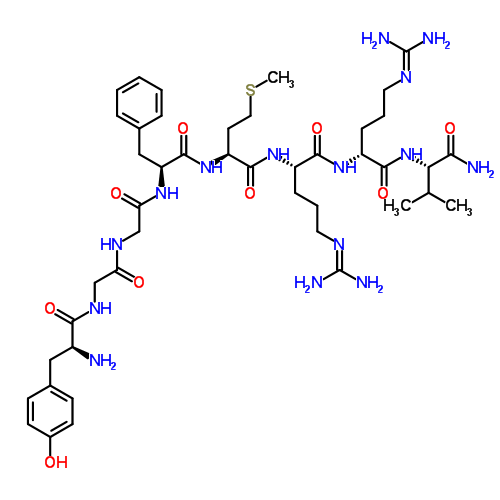
An opioid is a psychoactive chemical that works by binding to opioid receptors, which are found principally in the central and peripheral nervous system and the gastrointestinal tract. The receptors in these organ systems mediate both the beneficial effects and the side effects of opioids. Opioids are among the world’s oldest known drugs; the therapeutic use of the opium poppy predates recorded history.
| S | M | T | W | T | F | S |
|---|---|---|---|---|---|---|
| 1 | ||||||
| 2 | 3 | 4 | 5 | 6 | 7 | 8 |
| 9 | 10 | 11 | 12 | 13 | 14 | 15 |
| 16 | 17 | 18 | 19 | 20 | 21 | 22 |
| 23 | 24 | 25 | 26 | 27 | 28 | 29 |
| 30 | 31 | |||||
Recent Posts
- Rapid Drug Tests: Cost, Results & Workplace Screening Options
- Urine Drug Test Color Chart: What Test Results Mean (2026 Guide)
- Construction Drug Test: Panels, Weed Rules & Detection Times
- Urine Test for Alcohol: How Long Can Alcohol Be Detected?
- Precision Plus Drug Test vs Clear Scan 12-Panel Cup: Which is Best?
Categories
Archives
Content Policy
The content published on the DrugTestsInBulk.com blog is provided for informational and educational purposes only. Articles are based on industry research, professional experience, and current trends in drug and alcohol testing. The opinions expressed are those of the author and do not necessarily reflect the official position of DrugTestsInBulk.
While we strive for accuracy, regulations, testing standards, and workplace policies can change over time. DrugTestsInBulk does not provide legal, medical, or compliance advice. Readers should consult qualified legal counsel, Medical Review Officers (MROs), or other appropriate professionals regarding Federal, State, and local drug testing laws and regulations.
Blog content should not be considered a substitute for professional advice or official regulatory guidance.