
An adulterant is a substance found within other substances, although not allowed for legal or other reasons. The addition of adulterants is called adulteration. An adulterant is distinct from, for example, permitted food additives. There can be a fine line between adulterant and additive; chicory may be added to coffee to reduce the cost—this is adulteration if not declared, but may be stated on the label.
Featured Products
Recent Posts
- What Is a Saliva THC Test? Detection Times and Accuracy
- iCup Drug Test vs ClearScan Cup: Features, Panels & Pricing Compared
- PCR vs. Antigen Test: Which Is Better for Workplace Respiratory Testing?
- Adderall Drug Test: Does Adderall Show Up on a Drug Screen & How Long Is It Detectable?
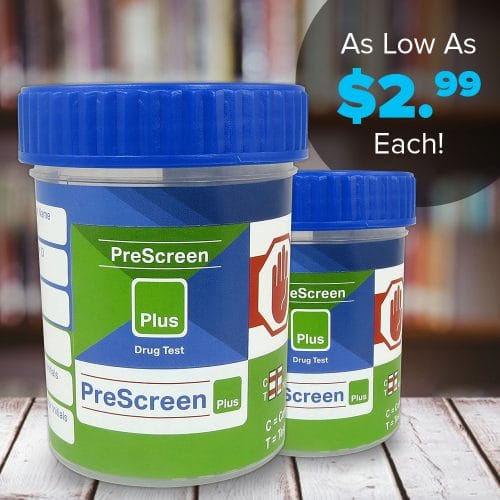
- UScreen Drug Test vs. PreScreen Plus: Which 16-Panel Cup Is Better?
Categories
Archives
Content Policy
The content published on the DrugTestsInBulk.com blog is provided for informational and educational purposes only. Articles are based on industry research, professional experience, and current trends in drug and alcohol testing. The opinions expressed are those of the author and do not necessarily reflect the official position of DrugTestsInBulk.
While we strive for accuracy, regulations, testing standards, and workplace policies can change over time. DrugTestsInBulk does not provide legal, medical, or compliance advice. Readers should consult qualified legal counsel, Medical Review Officers (MROs), or other appropriate professionals regarding Federal, State, and local drug testing laws and regulations.
Blog content should not be considered a substitute for professional advice or official regulatory guidance.