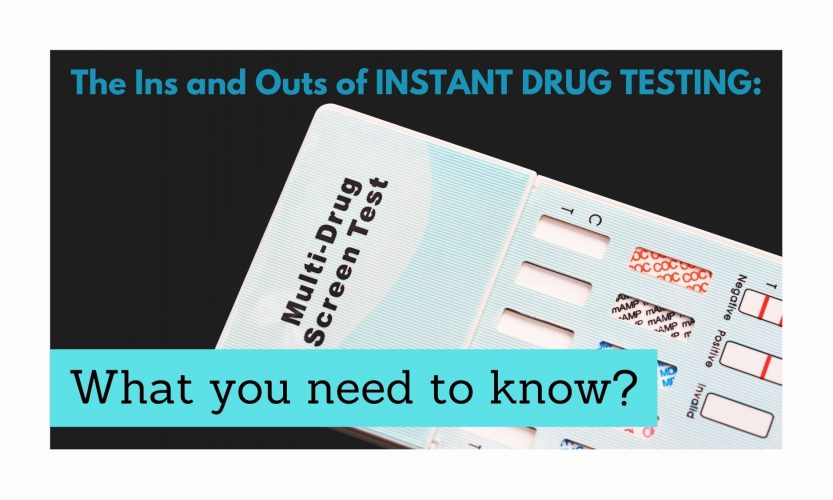
Drug testing has become a standard practice in many workplaces, schools, and organizations as part of their efforts to maintain safety, security, and compliance. Among the various methods available, instant drug testing has gained popularity for its speed and convenience. In this blog post, we’ll explore the basics of instant drug testing, how it works, its benefits and limitations, and its implications for individuals and organizations.
Understanding Instant Drug Testing
Instant drug testing, also known as rapid drug testing or point-of-care testing, involves the use of devices or kits that provide immediate results for the presence of drugs in a person’s system. These tests are often conducted using urine, saliva, or hair samples and can detect a range of substances, including marijuana, cocaine, opioids, amphetamines, and benzodiazepines, among others.
How It Works
The process of instant drug testing typically involves the following steps:
Sample Collection: A specimen (urine / saliva) is collected from the individual undergoing testing.
Testing Procedure: The sample is analyzed using a rapid drug testing device or kit, which detects the presence of specific drugs or their metabolites.
Immediate Results: Within minutes, the test results are available, indicating whether presumptive positive or negative for the substances being screened.

Ready to order or have questions? DrugTestsInBulk.com has a professional staff ready to answer your questions and to help you place your order. Call us now at 866-788-2855. Ask us about our special pricing and how you can sign up to receive our newsletter and product promotions. Call Today!
Benefits of Instant Drug Testing
Quick Results: Instant drug testing provides immediate results, allowing for prompt decision-making in various settings, such as pre-employment screening, post accident testing, and random drug testing.
Deterrent Effect: The availability of instant drug testing can serve as a deterrent against drug use among individuals who are subject to testing, thereby promoting a drug-free environment.
Convenience: Unlike traditional laboratory-based drug testing, which may involve lengthy turnaround times, instant drug testing offers convenience and efficiency, making it suitable for on-the-spot testing situations.
Limitations and Considerations
Limited Detection Window: Instant drug tests may have a shorter detection window compared to laboratory-based tests, potentially missing drugs that were consumed beyond the detection window.
Accuracy Concerns: While instant drug tests are generally accurate, false-positive or false-negative results can occur, necessitating confirmation through laboratory analysis for conclusive results.
Privacy and Confidentiality: Concerns regarding privacy and confidentiality may arise, particularly in workplace settings, where individuals may feel their rights are being infringed upon by mandatory drug testing policies.
Implications for Individuals and Organizations
For individuals, instant drug testing may impact employment opportunities, eligibility for certain programs or benefits, and personal reputations. It underscores the importance of understanding the drug testing policies of organizations and taking proactive measures to maintain a drug-free lifestyle.
For organizations, instant drug testing can help mitigate risks associated with drug-related incidents, promote a safe and productive work environment, and ensure compliance with regulatory requirements. However, it’s essential for organizations to implement drug testing programs responsibly, respecting the rights and privacy of individuals while prioritizing safety and security.
Instant drug testing offers a valuable tool for detecting the presence of drugs in various settings, providing quick and convenient results. While it has its benefits in promoting safety and compliance, it’s crucial to consider its limitations and implications for individuals and organizations alike. By understanding the ins and outs of instant drug testing, stakeholders can make informed decisions that balance the need for accountability with respect for individual rights and privacy.