Respiratory Syncytial Virus (RSV) spreads easily and can lead to serious breathing issues in infants, older adults, and individuals with weakened immune systems. Having an RSV home test kit on hand supports early detection, allowing you to check for infection quickly and take steps to protect those at higher risk. Learn how RSV testing at home works, when to use it, and how to choose the right option for high-risk individuals.
What Is An RSV Home Test Kit, and Who Should Use One?
An RSV home test kit detects Respiratory Syncytial Virus (RSV), a common virus that typically causes mild, cold-like symptoms in healthy individuals but can lead to serious complications in vulnerable groups.
These test kits are clinically approved and easy to use at home, allowing families to identify possible RSV infections early. This can help guide next steps, whether that means isolating at home or seeking medical care.
How an RSV Home Test Kit Works
Most at-home RSV test kits collect a nasal sample with a soft swab. The process is simple and easy for non-medical users:
- Rapid tests detect infectious disease antigens and provide results within 10–30 minutes.
- Lab-based kits require mailing the sample and waiting for results. Lab-based tests, such as RT-PCR, may detect smaller amounts of the virus for higher accuracy.
- Instructions are usually clear and easy to follow.
Rapid tests are ideal for quick decisions, while lab-based options may offer more detailed analysis and take longer.
Who Should Consider Using An At-Home RSV Test Kit?
An RSV at-home test kit is particularly useful for:
- Infants and young children
- Older adults (especially those over 65)
- Individuals with weakened immune systems
- People with chronic lung or heart conditions
Since infectious diseases tend to hit high-risk groups the hardest, having an at-home RSV test readily available can help you act quickly when symptoms appear in vulnerable household members.
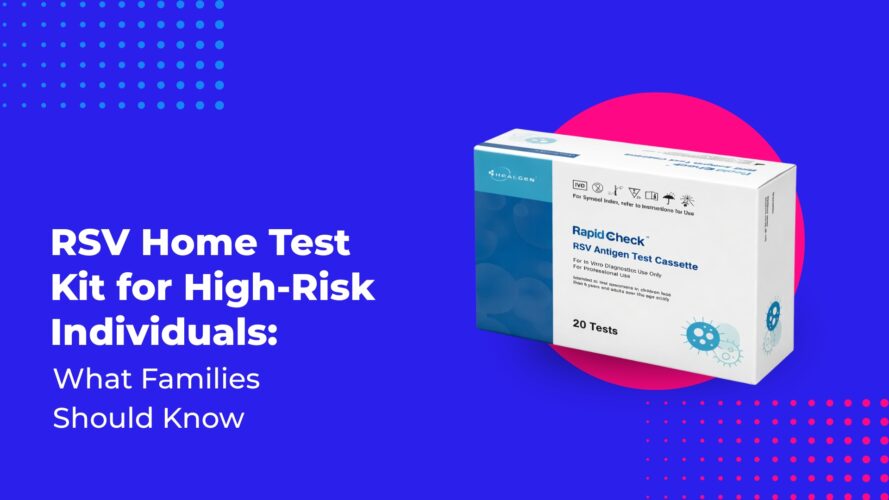
Rapid Check™ RSV Antigen Test – 20/kit | CLIA Waived
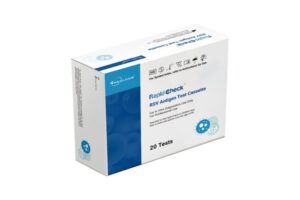
- 510(k) Cleared / CLIA Waived
- Fast Results (under 15 min)
- Made in USA
When to Use an RSV at-Home Test Kit?
You should consider using an RSV home test when:
- Symptoms such as coughing, wheezing, or fever begin
- A family member has been exposed to someone with RSV
- You want to rule out RSV alongside other respiratory illnesses
- Before or after someone visits your home, if you have an immunocompromised individual
Early testing helps guide care decisions and reduces the risk of spreading the infection.
Types Of At-Home RSV Test Kits Available
Not all RSV home test kit options are the same. Understanding the different types can help you choose the most suitable one for your needs.
RSV-Only Tests Vs. Combo Covid, Flu, and RSV Test Kits
Some at-home kits are designed specifically for RSV, while others are combination tests that detect multiple respiratory viruses. Here’s how they differ:
RSV-Only Kits
- Detect RSV specifically, making them cost-effective and straightforward.
- Provide quick results, usually within 10–30 minutes for rapid tests.
- Ideal for families focused on monitoring high-risk individuals for RSV without additional tests.
Combination Kits (COVID-19, Flu, and RSV)
- Detect multiple respiratory viruses with a single sample.
- Slightly more expensive, but they save time by eliminating the need for multiple tests.
- Particularly useful during flu season or when symptoms overlap, giving a broader view of potential infections.
Healgen Rapid COVID-19 / Flu A&B Antigen Test Cassette
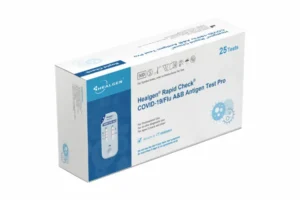
- FDA EUA Authorized
- 3-in-1 Covid Flu Test
- Rapid Results
- Made in USA
Rapid Tests Vs. Lab-Based Home Collection Kits
Another important distinction is how results are processed, as well as cost and convenience:
- Rapid RSV test kits – Provide results in 10–30 minutes, making them ideal for quick screening and immediate decision-making. They are affordable, convenient, and easy to use since no shipping or lab visit is required. For example, DrugTestsInBulk (DTIB) Rapid Check™ RSV Antigen Test comes in a 20-test pack with free shipping and is CLIA-waived, offering reliable performance for both home and clinical use.
- Lab-based home collection kits – Require you to collect a sample at home and mail it to a certified laboratory. Results take 24–72 hours (or longer), depending on lab processing. While more expensive and less convenient in urgent situations, these tests offer higher sensitivity, particularly with RT-PCR, making them suitable for confirmatory diagnosis if symptoms persist or initial results are unclear.
Rapid tests are best for immediate screening and early detection, while lab-based kits are better for detailed, confirmatory testing.
How Accurate Are RSV Home Test Kits?
Rapid RSV at-home tests are effective for early detection and screening. Their accuracy depends on several factors:
-
Test sensitivity and specificity
Accuracy and test types can vary by brand. Understanding the difference between 510(k) clearance vs. approval can help when comparing options. For example, DrugTestsinBulk’s CLIA-waived RSV tests are highly reliable (~99% accuracy) and deliver dependable results when used as directed.
-
Age of the individual
RSV test accuracy can vary by age, with higher sensitivity typically observed in infants and young children due to higher viral loads.
-
Symptom severity
The severity of symptoms can influence how easily RSV is detected. Individuals experiencing more noticeable symptoms, such as persistent coughing or wheezing, often have higher viral levels, which can improve the likelihood of an accurate result.
-
Storage and handling of the test kit
Proper storage and handling play an important role in maintaining test accuracy. Keeping RSV test kits within the recommended temperature range and avoiding exposure to moisture or extreme conditions helps ensure consistent performance.
-
Adherence to instructions
Following the test instructions carefully is essential for reliable results. This includes proper sample collection, correct use of any included solutions, and reading results within the specified time window.
-
Presence of other respiratory infections
Co-infections with other respiratory illnesses can affect how results are interpreted.
-
Environmental conditions during testing
Testing conditions can impact performance, especially if conducted in extreme temperatures or high humidity. Performing the test in a stable indoor environment helps reduce the risk of inaccurate results.
-
Expiration date of the test kit
Using an RSV test kit before its expiration date is important for accuracy. Expired tests may not perform as intended, increasing the chances of unreliable or invalid results.
How To Choose The Right RSV Home Test Kit
Selecting the right at-home RSV test kits involves balancing convenience and reliability.
What To Look For (Speed, Accuracy, Ease Of Use)
When selecting an at-home RSV test kit, consider:
- Speed: Do you need results quickly?
- Accuracy: Is the test clinically validated?
- Ease of use: Are instructions simple and clear?
- Sample type: Nasal swab vs. saliva (if available)
A user-friendly RSV home test kit ensures reliable results and minimal stress.
Considerations For Infants, Older Adults, And Immunocompromised Individuals
When using an RSV home test kit for infants, older adults, or immunocompromised individuals, extra care is essential to ensure accurate results and timely decisions. These groups are more vulnerable to complications, making early testing especially important. Proper sample collection is critical, as inadequate swabbing may lead to false negatives.
- Choose kits with gentle nasal swabs for infants.
- Ensure easy handling for older adults.
- Look for high-sensitivity tests for immunocompromised users.
These considerations help reduce discomfort and improve testing accuracy.
When To Consult A Healthcare Provider Instead
While at-home RSV test kits are useful, they are not a substitute for medical care. Seek professional help if:
- Symptoms are severe or worsening
- Breathing difficulties occur
- The person tested is at high risk
A healthcare provider may recommend further testing, confirm the diagnosis, or provide treatment.
Preventing RSV and Other Respiratory Infections At Home
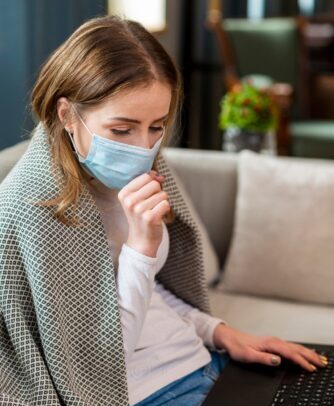
Prevention is just as important as testing. In addition to using an RSV home test kit, families should adopt daily habits to reduce the risk of infection.
Everyday Habits To Reduce The Risk Of Infection
Simple practices can make a big difference:
- Frequent handwashing
- Covering coughs and sneezes
- Avoiding close contact with sick individuals
- Regularly cleaning high-touch surfaces
These steps help minimize the spread of RSV and similar viruses.
To add an extra layer of protection, especially when caring for someone unwell, wearing masks can help reduce exposure.
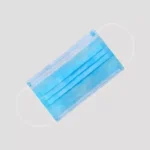
- Elastic Ear Loops
- 175mm X 95mm (Medium)
- 1000 masks per order
Protecting High-Risk Family Members
If someone in your household is vulnerable, take extra precautions:
- Limit visitors during peak illness seasons
- Use masks when necessary
- Maintain good indoor ventilation
Using an RSV home test kit at the first sign of symptoms adds another layer of protection.
Extra Precautions For School And Holiday Gatherings
Viruses spread easily in crowds, so households with immunocompromised or high-risk individuals should take extra care during school, holiday events, or social gatherings:
- Pre-event testing – Test children or household members with an RSV home test kit before gatherings.
- Limit exposure – Keep high-risk individuals separated from children or visitors who may have been exposed, even if asymptomatic.
- Designate safe spaces – Provide areas where vulnerable family members can rest or isolate temporarily if potential exposure occurs.
- Monitor after gatherings – Watch high-risk household members closely for symptoms and test promptly if any appear.
- Maintain protective measures – Continue masks, hand hygiene, and surface cleaning around high-risk individuals during and after events.
Preventing The Spread After A Positive Test
After a positive result from an RSV home test kit, taking quick steps at home can help limit the spread of infection. Isolating the sick individual, disinfecting frequently touched surfaces, and practicing good hand hygiene are key.
When And How To Isolate At Home
Isolation helps reduce transmission:
- Keep the infected person in a separate room if possible
- Limit shared spaces
- Monitor symptoms closely
This is especially important in households with high-risk individuals. Ideally, isolation should continue until symptoms improve and the person is no longer contagious.
Cleaning And Disinfecting Shared Spaces
Proper cleaning reduces virus spread:
- Disinfect frequently touched surfaces
- Wash linens, utensils, and personal items regularly
- Use appropriate cleaning products
Wearing disposable gloves when cleaning or caring for the infected person can help minimize direct contact with germs
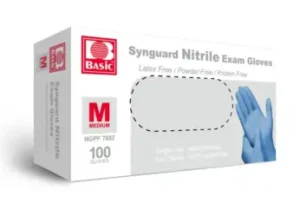
- Powder Free
- Latex Free
- 100 per box
How To Protect Caregivers And Others In Your Home
Caregivers should take precautions when assisting someone who is ill:
- Wear masks and wash your hands frequently
- Avoid direct contact with respiratory secretions
- Use gloves if necessary
- Avoid sharing personal items like cups, towels, and utensils
Combining these measures with an RSV home test kit strategy helps keep everyone safer.
What Else Should You Know About RSV Testing?
Understanding how RSV compares to other illnesses can help you make informed decisions when using an RSV home test kit.
RSV vs. Flu Vs. COVID-19 Symptoms
| Symptom | RSV | Flu | COVID-19 |
| Runny nose | Common | Sometimes | Sometimes |
| Fever | Mild/absent in infants | Common, often high | Common |
| Cough | Common | Common | Common |
| Wheezing | Yes (especially infants) | Rare | Rare |
| Loss of taste/smell | Rare | Rare | Common |
| Breathing difficulty | Common in high-risk | Possible | Possible |
Because these symptoms overlap significantly, a covid flu and RSV test combination kit is often the most practical choice during respiratory virus season.
When A Combination Test Kit Makes Sense
A COVID-19, flu, and RSV test is ideal when:
- Multiple viruses are circulating
- Symptoms are unclear
- You want a comprehensive result quickly
It simplifies testing and reduces guesswork.
Cost, Insurance, And Availability
- Prices vary depending on the type of RSV home test kit
- Some insurance plans may cover testing
- Kits are available online and at pharmacies
Final Thoughts: Why Early Testing Matters For High-Risk Individuals
For families with vulnerable members, early detection can make a significant difference. Using an RSV home test kit allows you to quickly identify infections, take preventive measures, and seek medical care when necessary.
By combining testing with good hygiene, preventive habits, vaccination where appropriate, and awareness of high-risk symptoms, you can reduce risks and better protect your loved ones during RSV season.
Frequently Asked Questions About RSV Home Test Kits
When Is The Best Time To Use An RSV Home Test Kit?
Use an RSV home test kit within the first 1–3 days of symptom onset. Viral levels are highest during this window, making the test more likely to return an accurate result.
How Accurate Is An At-Home RSV Test?
Accuracy depends on the test type. Rapid antigen tests work well in infants but may miss low viral loads in adults. PCR mail-in kits are more accurate for all ages. If symptoms persist, retest or consult a healthcare provider.
Are RSV At-Home Test Kits Safe For Infants And Young Children?
Yes, when used with kits approved for pediatric use (e.g., ages 6+ months) and as directed. Always follow the manufacturer’s age guidance. If you’re unsure about the nasal swab technique for a newborn or premature infant, ask your pediatrician before testing at home.
What Should I Do If My Test Is Negative But My Symptoms Continue?
Wait 24–48 hours and retest. Early in an infection, viral levels may be too low for a rapid antigen test to detect. If symptoms are worsening or the person is in a high-risk group, seek clinical evaluation rather than relying solely on the home result.
Where Can I Buy A Reliable RSV Test Kit At Home?
Look for FDA-cleared or CLIA-waived kits from reputable suppliers. DrugTestsinBulk offers the Rapid Check™ RSV Antigen Test – 20/kit, ideal for home use or bulk orders for clinics, employers, or family needs.
Do I Need To Confirm A Positive Home Test Result With A Doctor?
High-risk individuals (infants, older adults, and immunocompromised) should contact a healthcare provider after a positive RSV test. Healthy adults with mild symptoms may not need confirmation.