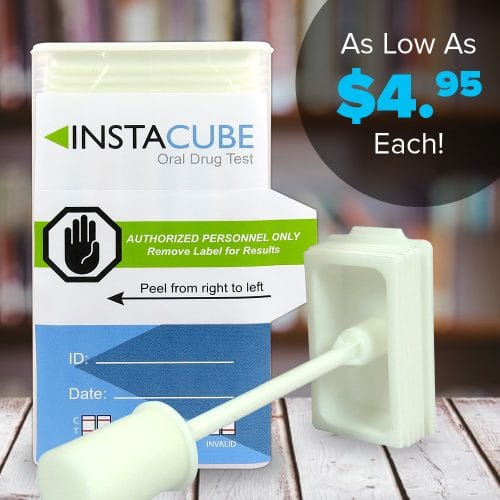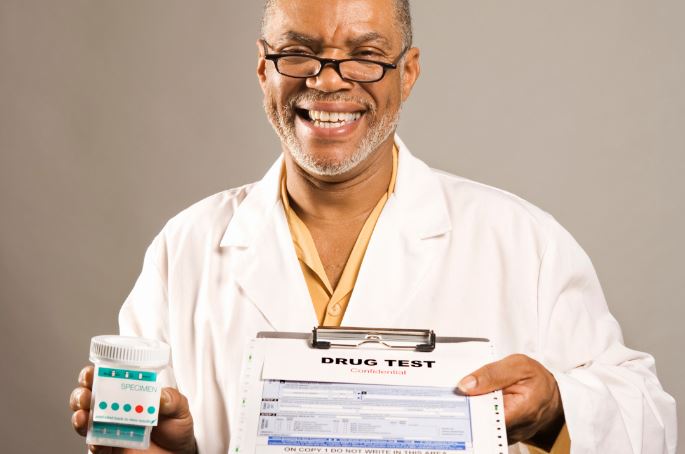
What is the difference between a single-panel drug test and a multi-panel drug test such as a 5-panel or 10-panel drug test? The difference is the quantity of substances the test is designed to check for. A single panel drug test is a system to check for one specific substance or substance class. Common configurations for 1-panel drug test kits include: Amphetamines, Barbiturates, Buprenorphine, Benzodiazepines, Cocaine, Opiates, Anabolic steroids, Marijuana, and other substances. Multi-panel drug tests check for multiple distinct drug types at the same time using the same test specimen. Multi-panel drug test kits come in various testing combinations; these tests are often favored by employers or organizations that need general substance screening systems.
How to Pick the Right Test for You?
Which drug test kit will fit your needs best depends on the intended use and the setting where the test will be used. For example, if you are looking for an at-home test for yourself or in a scenario where you know the exact substance you are checking for, purchasing a single-panel drug test that tests only for that substance would be preferable. In most scenarios, however, drug tests are used as screening systems, where broad-panel kits make the most sense. If you or your organization, as the test administrators, need to test for a combination of substances, either for pre-employment, preventing accidents, complying with state or federal regulations, health-care insurance, and any other requirements your organization must satisfy, a multi-panel test makes the most sense. A multi-panel test such as a 10-panel drug test will ensure that the results are comprehensive in terms of checking for substance use.
Are Multi-Panel Drug Tests as Accurate as Single Panel Drug Tests?
Accuracy in drug tests varies based on the types of substances, the test kit system and manufacturer, the application and results collection method, and the type of specimen collected and tested. Accuracy of a drug test also relies on the drugs you are testing for; this may sound obvious, but a drug test’s accuracy is limited to the substances it has panels for. If a test is only for THC, it will not register opiates. This means that, for testing a broad range of substances, a multi-panel test would be more effective in most scenarios due to its general approach.
Multi-panel drug tests have strips labeled for each substance type. Each strip represents a particular substance or drug class. If the specimen triggers one of the strips, it will generally mark a line on that strip, allowing the test administrator to send it to a lab for further testing with an understanding of which drug classes to focus on.
What Are Multi-Panel Drug Tests?
Multi-Panel drug testing kits are usually on-site immunoassay test systems that use antibodies to detect various drug classes in a single specimen collection. Multi-Panel drug tests are available in pre-made or custom panel combinations ranging from 2 to 20 drug classes, with common and popular test kit models focusing on 5-panel, 10-panel, and 12-panel configurations.
What Are Single Panel Drug Tests?
Single-panel drug tests test for one particular substance or drug class. “Single-panel” refers to the design of the test system; these drug test systems usually feature a solitary detection panel. 1-panel tests are made for specific substances for on-site or lab drug testing systems.