Fentanyl is a powerful synthetic opioid that has become a critical concern in the United States. Oftentimes employers are on the front-lines of drug testing and establishing codes of conduct when it comes to drug use. Fentanyl’s potency is estimated to be 50 to 100 times stronger than morphine, making it highly addictive and dangerous. As the opioid crisis continues to affect communities nationwide, drug testing for Fentanyl has become an essential tool for employers who prioritize safety, productivity, and compliance. This blog provides an in-depth look at why Fentanyl testing is necessary, how it works, and the best practices for implementing a Fentanyl drug testing program.
Why is Drug Testing for Fentanyl Important?
Fentanyl poses a unique challenge in the workplace due to its potency and prevalence. Unlike many other drugs, Fentanyl can cause severe impairment and overdose at extremely low doses, making its presence in the workplace particularly dangerous. Here are some key reasons why testing for Fentanyl is crucial:
-
- Workplace Safety: Employees under the influence of Fentanyl can exhibit impaired judgment, reduced reaction times, and decreased motor skills, significantly increasing the risk of accidents, especially in safety-sensitive roles such as operating machinery or driving.
- Preventing Overdose Risks: Given Fentanyl’s potency, even a small amount can lead to overdose or death. Regular testing helps identify users and intervene before an overdose occurs in the workplace.
- Legal Compliance: In some industries, particularly those regulated by federal agencies like the Department of Transportation (DOT), testing for opioids, including Fentanyl, may be required to comply with specific safety regulations.
- Promoting a Drug-Free Workplace: Testing for Fentanyl is a proactive measure that reinforces a company’s commitment to maintaining a drug-free environment, fostering trust, and promoting overall well-being among employees.
- Other Drugs May Contain Fentanyl: Fentanyl is cheap and potent, which has led to its frequent use as a cutting agent in other illicit drugs, such as heroin, cocaine, and counterfeit prescription pills. Even individuals who believe they are using a different drug may unknowingly be exposed to Fentanyl, increasing the risk of accidental overdose. Testing for Fentanyl can help identify and mitigate these hidden dangers. Establishing a drug testing policy that outlines specific guidelines for Fentanyl testing will protect the lives and well-being of your employees by reducing the risk of accidents, preventing potential overdoses, and ensuring a safer work environment. It demonstrates a commitment to safety and health, helps maintain productivity, and fosters a culture of responsibility and care. Additionally, a clear policy protects your organization from legal liabilities and ensures compliance with relevant regulations, ultimately supporting a more secure and cohesive workplace.
How Does Fentanyl Drug Testing Work?
Testing for Fentanyl typically involves screening biological samples, such as urine, saliva, blood, or hair, for the presence of Fentanyl or its metabolites. Here are the common methods used by employers:
- Urine Testing: The most common method for Fentanyl detection is urine tests. Urine tests are non-invasive, cost-effective, and have a detection window of up to 72 hours after use. Urine tests can quickly provide preliminary results, which can be further confirmed by more specific methods such as gas chromatography-mass spectrometry (GC-MS).
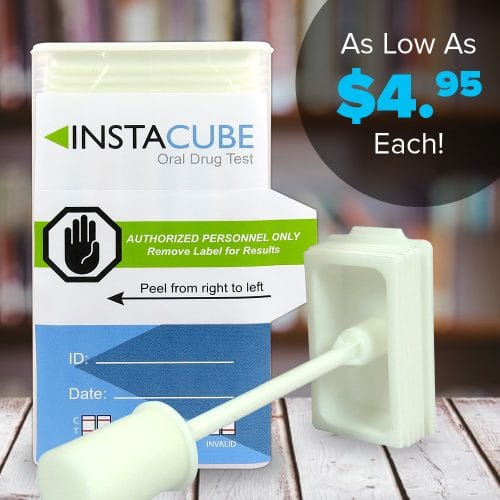
- Saliva Testing: Saliva tests are less invasive and easier to administer. They detect Fentanyl use within a shorter time frame, usually 24 to 48 hours, and are ideal for on-the-spot or reasonable suspicion testing. Saliva tests can be administered on-site and are easy to use and understand which makes it great for an employer that needs a highly flexible drug testing system.
Best Practices for Implementing Fentanyl Drug Testing
- Develop a Clear and Comprehensive Policy: Employers should establish a drug testing policy that explicitly includes Fentanyl. The policy should outline the reasons for testing, the methods used, the consequences of positive results, and the rights of employees. This policy will protect both the employer and employee. If your business is establishing a new or changing an old drug testing policy it is advised to consult with a legal professional to craft the policy to your requirements. Including Fentanyl is another way to help fight the growing Fentanyl epidemic.
- Educate Employees: Inform employees about the dangers of Fentanyl, the reasons for testing, and the procedures involved. Transparency helps build trust and reduces anxiety about the testing process. Fentanyl is highly dangerous and widely distributed, spreading information and awareness is important in the fight against the Fentanyl epidemic.
- Choose the Right Testing Method: Select the most appropriate testing method based on your organization’s needs. For instance, urine tests are ideal for routine screening, while saliva tests work well for reasonable suspicion or post-accident testing. DrugTestsInBulk.com makes a 14-panel urine cup drug test that tests for a full spectrum of drugs including Fentanyl, a multiple panel drug test that covers most of the common drugs can be a great option for employers that want to get comprehensive results that include Fentanyl.
- Single Panel Fentanyl Tests or Multiple Panel Tests that Include Fentanyl: Selecting the exact test for your business is an important step and beyond the testing method there is the decision of if you want to exclusively test for Fentanyl or for a full spectrum of substances including Fentanyl. DrugTestsInBulk.com makes a Single Panel Dip Test for direct Fentanyl testing which is a perfect solution for employers that are highly concerned about Fentanyl use and the safety of their employees.
- Provide Support for Employees: Implement a supportive approach for employees who test positive, including access to counseling, rehabilitation programs, and clear communication about the steps they need to take to return to work. Fentanyl testing saves lives, and an effective drug testing policy should also include provisions for employee support.
Pros and Cons of Fentanyl Drug Testing
Pros:
- Enhanced Safety: Identifying Fentanyl users reduces the risk of workplace accidents and fatalities, especially in high-risk industries. Identifying Fentanyl usage can also reduce the risk of overdose or addiction to a highly potent and dangerous substance.
- Early Detection and Intervention: Drug testing enables early identification and intervention, which can help employees seek treatment and prevent overdoses.
- Compliance with Regulations: Helps businesses comply with federal and state regulations, particularly in industries where drug testing is mandatory.
- Maintains Productivity: Reduces absenteeism, improves performance, and promotes a culture of safety and accountability.
- Promotes Awareness: Including Fentanyl in your workplace drug testing policy starts the discussion and promotes awareness about the dangers of Fentanyl.
Cons:
- Cost Considerations: Testing for Fentanyl, especially using more accurate methods like GC-MS, can be expensive. Employers need to balance the cost against the benefits of maintaining a safe workplace. Buying saliva or urine tests in bulk is an excellent way to reduce costs while maintaining a robust drug testing program.
- Employee Privacy Concerns: As with any drug testing, there may be concerns about privacy and the potential for discrimination. It’s important to handle testing results confidentially and fairness.
- Limited Detection Windows: Some testing methods, such as saliva and urine tests, have limited detection windows, which may not capture infrequent or sporadic use. In the case of Fentanyl it might also just be a laced substance in a different drug which means that it would be in the system in smaller doses. Considering your drug testing schedule is an important task when it comes to employee testing to get accurate results.
Drug testing for Fentanyl is a critical component of maintaining a safe and productive workplace. Given the risks associated with Fentanyl use, employers must take proactive steps to include Fentanyl in their drug testing programs. By understanding the available testing methods, implementing best practices, and addressing potential concerns, businesses can create a safer environment that supports both their employees’ well-being and their organizational goals. At DrugTestsInBulk.com, we offer a range of Fentanyl testing solutions to help you maintain a safe, compliant, and drug-free workplace.