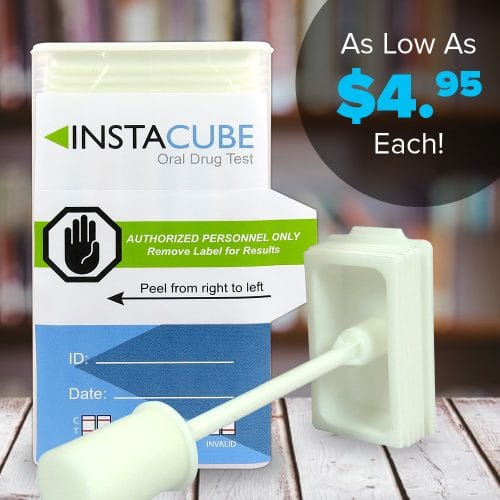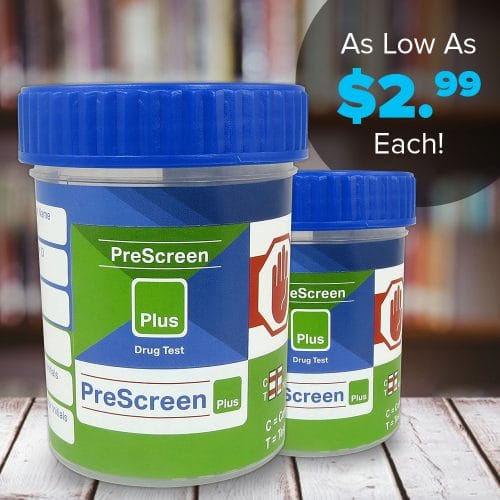
A drug test examines a sample of your urine, blood, saliva, or hair for evidence of one or more illegal or prescription substances. A drug test can detect drug use and misuse, which includes:
- Using illegal substances like cocaine or other drugs.
- Misusing prescription medications, which includes taking them for a different purpose than your doctor prescribed. Using a prescription pain reliever to relax is one example of drug misuse, as is taking someone else’s prescription.
Drug Testing can determine whether you have used or abused one or more drugs. However, it cannot diagnose a drug use disorder (addiction).
A drug test has a variety of objectives, including:
- Employment: Before hiring you, employers may conduct a drug test. They may test you after you’ve been hired to look for on-the-job drug use. If you are involved in a workplace accident, you may be tested to check if drugs or alcohol were involved.
- Sports: Professionals and other athletes are frequently tested for performance-enhancing drugs, like steroids that help increase muscle mass and violate league or association rules and regulations.
- Treatment With Drugs: Drug testing can monitor treatment in drug or alcohol abuse rehab facilities.
- Evidence in Court: Drug testing can be part of a criminal or automobile accident inquiry. Drug test results may be evidence in a legal case.
- Monitoring Prescription Drug Abuse: If your doctor prescribes a potentially addictive medication, such as an opioid for chronic pain, they may conduct a drug test to ensure you’re taking the medication correctly.
Many drug tests look for the medications and substances listed below:
- Prescription Opioids and Opiates, such as oxycodone (Roxicodone, OxyContin), hydrocodone, and morphine (MS Contin)
- THC, or tetrahydrocannabinol, is a cannabis-active component
- Illegal opiates (like heroin)
- Phencyclidine (PCP)
- Amphetamines (prescription amphetamines like Adderall and illegal amphetamines like methamphetamine)
- Cocaine
- Barbiturates (such as phenobarbital and butalbital)
- Lysergic Acid Diethylamide (LSD)
- MDMA, also known as ecstasy, is a kind of methamphetamine.
- RELATED: Adderall Drug Test: Does Adderall Show Up on a Drug Screen & How Long Is It Detectable?
How Do Supplements And Medications Interfere With Drug Testing?
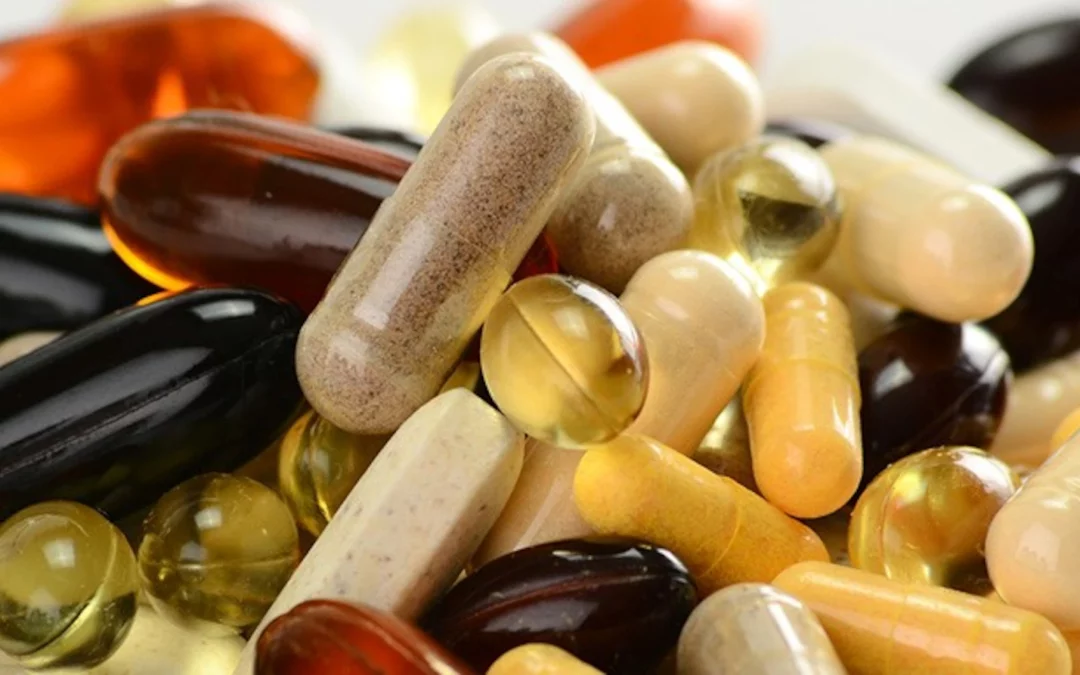
Many prescription and OTC medications, as well as dietary supplements, might impact drug test results. This means that the test might detect the presence of substances that you did not take.
Consult with your physician if you believe you received a false positive result on a drug test. They may be able to do a second test to confirm whether or not the results are correct.
Because inaccurate test findings can lead to unexpected diagnoses and treatment errors that affect patients, doctors must collect a thorough medical history and understand which medicines can affect drug tests.
1. NSAIDs: Ibuprofen (Motrin, Advil) and naproxen (Aleve, Naprosyn) are both nonsteroidal anti-inflammatory medicines (NSAIDs). They help treat fever, inflammation, and pain. If you use either of these OTC NSAIDs, your drug test may come up positive for barbiturates (a form of sedative) or THC. Oxaprozin (Daypro), another NSAID, can relieve arthritic pain. Taking oxaprozin may cause a false positive benzodiazepine test.
2. Antibiotics: Antibiotics, particularly cephalosporins, are the medications most likely to interfere with drug testing. Cephalosporins can produce false-positive urine glucose and ketone tests and a false-positive direct Coombs test (used to detect immune-mediated hemolytic anemia).
- Amoxicillin and ampicillin, both penicillin-type medications, might induce falsely high glucose test results.
- Co-trimoxazole, daptomycin, erythromycin, and telavancin can result in falsely elevated prothrombin time (PT) and international normalized ratio (INR) values.
- Doxycycline can produce falsely elevated catecholamine levels. Levofloxacin, ofloxacin, and rifampin can produce false positives in opiates urine drug testing. Ciprofloxacin can slightly raise urine protein test findings.
3. Antidepressants: Several antidepressants have been linked to false positive urine drug test results. Here are several examples:
- Sertraline can result in a positive urine drug test for the hallucinogen LSD. It may also result in a positive benzodiazepine test result.
- Venlafaxine (Effexor XR) and desvenlafaxine (Pristiq) are antidepressant drugs that belong to a class known as serotonin-norepinephrine reuptake inhibitors (SNRIs). Either of these drugs may cause a false positive for PCP.
- Trazodone is an earlier antidepressant that is no longer routinely used to treat depression. Trazodone use may result in a false positive test result for amphetamine or methamphetamine.
- Bupropion (Wellbutrin XL, Wellbutrin SR) may cause false positive amphetamine or methamphetamine tests.
4. Proton Pump Inhibitors: PPIs such as omeprazole, lansoprazole, dexlansoprazole, rabeprazole, pantoprazole, and esomeprazole can produce false negatives in the urea breath test and stool antigen test. PPIs may cause false positives in urea breath tests when used long term. Some doctors have found elevated INR and PT in patients using PPIs and warfarin at the same time. PPIs can also raise serum levels of chromogranin A, a tumor marker
5. Contrast Media: Protein levels in the blood can be affected by iodinated contrast medium, resulting in falsely elevated results in protein blood tests or protein urine tests. Gadolinium contrast agents can cause falsely low levels of serum angiotensin-converting enzyme, calcium, and zinc in colorimetric testing.
Positive interference can also occur in creatinine, magnesium, selenium, and total iron-binding capacity assays, and in both positive and negative iron assays. Patients should wait 4 hours after receiving contrast media before having lab specimens taken.
6. Antihistamine: Diphenhydramine is an antihistamine used to treat allergy, itching, and cold symptoms. Some opioids and opiates may produce a false positive result when taken with diphenhydramine. However, it is unclear how much diphenhydramine might cause a false positive result. Typical diphenhydramine doses may not provide a false positive test.
According to some reports, diphenhydramine can cause a positive drug test for PCP. However, this is unusual.
7. Biotin: Biotin, commonly included in nutritional supplements, might result in clinically significant inaccurate lab test findings. The FDA was especially worried about troponin-based lab assays used to detect heart attacks. Biotin can cause falsely low findings in various tests, resulting in incorrect diagnoses and potentially devastating clinical consequences.
Biotin, often known as vitamin B7, is present in multivitamins (including prenatal multivitamins), Many supplements marketed for hair, skin, and nail growth include biotin amounts up to 650 times the RDA (which is 0.03 mg). Patients with diseases like multiple sclerosis may also be prescribed high doses of biotin by their doctors.
Biotin can also cause falsely high testosterone, estradiol, cortisol, free triiodothyronine (T3), and free thyroxine (T4) levels. It can also cause falsely low thyroid-stimulating hormone (TSH), follicle-stimulating hormone (FSH), luteinizing hormone, parathyroid hormone, and human chorionic gonadotropin levels.
8. Vitamin B12: These days, vitamin B supplements are increasingly popular. People take them to increase energy, but they can also cause false positive drug test results. They may include riboflavin, frequently obtained from hemp seed oil.
Read the ingredients on your Vitamin B12 supplements to see whether they include riboflavin, which could be causing a false-positive urine drug test result.
9. Energy Drinks: Many of us cannot get through the workday without some liquid stimulation, such as an energy drink. Surprisingly, many of the most popular energy drinks have been linked to false positives for methamphetamines and THC (marijuana).
In some cases, opiates have been detected on drug tests of people who have consumed Red Bull. It is more common when the test subject has had an energy drink shortly before submitting to urine drug testing.
If you’ve had Red Bull, Bang, 5-Hour Energy, or even tonic water before drug tests, you may want to invest in home drug testing kits so you can test yourself ahead of time.
10. Kava: Another dietary supplement used as a sleep aid is kava. It can be taken as a pill or consumed as a drink. Kava consumption may result in false-positive MDMA tests.
What You Can Do:
If A Drug Test Result Is Negative, it indicates one of two things:
- The substances tested for were not discovered in the sample.
- A small amount of drugs was detected, but not enough to provide a positive drug test result.
If A Drug Test Result Is Positive, it indicates that one or more drugs were detected in amounts that reflect drug use or misuse. Positive tests require further testing because they may be incorrect (false positives). The follow-up test is typically more accurate.
Some drugs and supplements can interfere with drug test results, but this does not mean you should stop using them; it only warrants special care or the need to seek further testing or information if you are unsure about the results you received or if you think that another substance you are taking is interfering with test results. If you are unsure, continue to take your medication as directed and consult your doctor. You may also be required to bring your medications with you to show the professional performing your drug test.
Herbal treatments, vitamins, and supplements can impact drug test results, so let your doctor know if you use any of these. The most important step is to consult your physician before changing or altering your medication or supplement use or schedule.
References:
- Laura. Drug Tests Often Trigger False Positives. Retrieved from Webmd.com: https://www.webmd.com/drug-medication/news/20100528/drug-tests-often-trigger-false-positives
- MedSignals. What Can Cause a False Positive Drug Test? Retrieved from medsignals.com: https://medsignals.com/blogs/drug-test/common-false-positives/
- Rika. Drug Testing. Retrieved from msdmanuals.com/: https://www.msdmanuals.com/professional/special-subjects/recreational-drugs-and-intoxicants/drug-testing
- SportsScience. Positive Drug Tests From Supplements. Retrieved from sportsci.org: https://www.sportsci.org/jour/0003/lmb.html
- UIC. What Drugs Are Likely To Interfere With Urine Drug Screens? Retrieved from dig.pharmacy.uic.edu: https://dig.pharmacy.uic.edu/faqs/2021-2/may-2021-faqs/what-drugs-are-likely-to-interfere-with-urine-drug-screens/